



26 January is a historically important date with major political, social, and cultural events across the world. Here are some of the most significant moments that occurred on 26 January in history:
🌍 Major Historical events on 26 January
1788 – Australia
· The First Fleet, led by Captain Arthur Phillip, arrived at Port Jackson (Sydney Cove).
· This marked the beginning of British settlement in Australia.
· Today, it is observed as Australia Day, though it is also debated as Invasion Day by Indigenous Australians.
1930 – India
· The Indian National Congress declared Purna Swaraj (Complete Independence) from british rule.
· This declaration strengthened the indian freedom movement and led to mass civil disobedience.
1950 – India
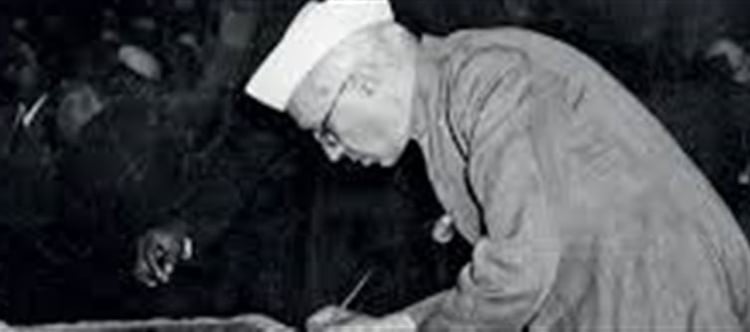
· The Constitution of india came into force, officially transforming india into a sovereign, democratic republic.
· Dr. Rajendra Prasad became the first President of India.
· This day is celebrated annually as Republic Day.
1972 – United Kingdom
· Direct rule was imposed on Northern Ireland by the british government following civil unrest.
1980 – India
· The Bharatiya Janata Party (BJP) was formally established, becoming one of India’s major political parties.
1998 – United States
· President Bill Clinton denied allegations during the Monica Lewinsky scandal, which later led to impeachment proceedings.
2001 – India
· A devastating earthquake struck Gujarat, killing over 20,000 people and causing massive destruction.
· It remains one of the deadliest earthquakes in indian history.
2015 – India
· U.S. President Barack Obama became the first U.S. President to attend India’s Republic Day celebrations as Chief Guest.
🎭 Cultural & Social Milestones
· Republic Day parades, constitutional ceremonies, and national honors have made january 26 a symbol of democracy and national pride, especially in India.
· The day is associated with self-governance, independence, and constitutional law worldwide.
⭐ Why 26 january Matters
· It represents the transition from colonial rule to self-rule.
· It symbolizes the power of constitutional governance and democratic values.
· The date is deeply tied to national identity in countries like india and Australia.
In summary
What happened on 26 January shaped nations, altered political systems, and influenced millions of lives—from the birth of the indian Republic to the founding of modern Australia.
Disclaimer:
The views and opinions expressed in this article are those of the author and do not necessarily reflect the official policy or position of any agency, organization, employer, or company. All information provided is for general informational purposes only. While every effort has been made to ensure accuracy, we make no representations or warranties of any kind, express or implied, about the completeness, reliability, or suitability of the information contained herein. Readers are advised to verify facts and seek professional advice where necessary. Any reliance placed on such information is strictly at the reader’s own risk.
 click and follow Indiaherald WhatsApp channel