


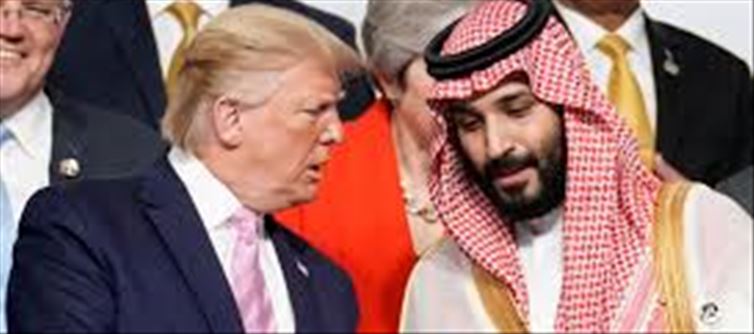

Reportedly there came a moment during Donald Trump's april 2 phone call to Mohammed bin salman when Saudi Arabia's crown prince and de facto ruler, apparently stunned by what the American president had just said, asked his aides to leave the room. No courtiers were present when their master, no slouch at intimidation himself, was apparently bullied into submission.
It could not have been otherwise. trump had, in effect, threatened the complete withdrawal of American troops from the kingdom if the Saudis didn't slash oil production. MBS, as the prince is commonly known, could hardly have missed the dire implications, for himself and his family. As trump has put it, with characteristic crudeness, the kingdom's rulers "might not be there for two weeks" without U.S. military backing. It took less time than that10 days, to be precise for saudi arabia and russia to announce the end of their oil war and start cutting production. trump got much of the credit for the cessation of hostilities. With uncharacteristic grace, he made no mention of his hardball tactics, thus sparing MBS's blushes.
But the crown prince must now recognize the limitations of his ill-judged strategy to base relations with the U.S., the kingdom's indispensable ally, exclusively on the cultivation of the first family. Previous Saudi rulers would have been able to rely on friends in congress to plead with the white house for leniency. But MBS has few friends in Washington and the army of lobbyists he maintains there is of limited use in a crisis. Instead, the prince is as close to a pariah as a senior member of the royal family has ever been in the 75 years of the Saudi-American alliance. He is under near-constant attack from all quarters in Washington over a wide range of issues, from the war in yemen and the jailing of women's rights activists to the murder of the columnist Jamal Khashoggi.
 click and follow Indiaherald WhatsApp channel