


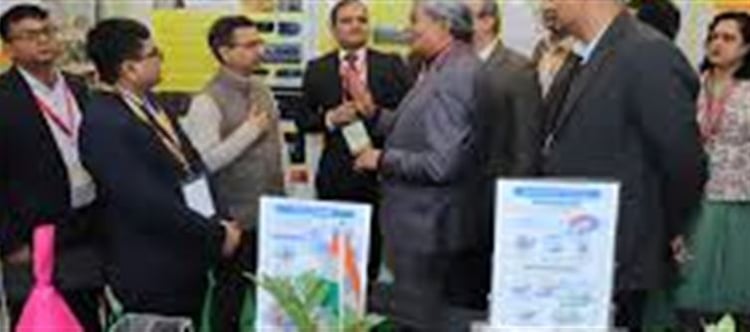

The Geological survey of india (GSI) is set to convene its Central Geological Programming Board (CGPB) meeting on January 21, 2026 in New Delhi, where key stakeholders will discuss future geoscientific priorities and roadmaps.
This meeting comes as part of GSI’s ongoing effort to align geological research and mineral exploration with India’s evolving economic and environmental goals.
🔎 1. What Is the CGPB Meeting All About?
The Central Geological Programming Board (CGPB) serves as a top platform where central and state geological agencies, mining experts, academic researchers, and policy makers review and plan scientific programs related to geosciences, mineral exploration, and resource management.
At the meeting on January 21, GSI officials and government representatives will outline future initiatives and priorities for the year ahead.
📊 2. Focus Areas for Future Scientific Work
In previous CGPB meetings, GSI has emphasized several themes that are expected to continue shaping discussions:
🪨 Critical Mineral Exploration
Exploration for minerals crucial to modern industries (like lithium, graphite, rare earth elements) and strategic sectors — particularly for clean energy, battery technologies, and next‑gen manufacturing — has been a key priority.
🌱 Sustainable Development & Clean Energy Goals
GSI’s roadmap includes geoscientific programs that support sustainable resource development, carbon sequestration studies, and integration of advanced technologies such as AI/ML for exploration.
🧠 Advanced Techniques & Geohazard Studies
Discussions often include the use of cutting‑edge geophysical methods and geological data analysis for safer infrastructure planning, disaster risk mitigation, and enhanced subsurface mapping.
🤝 3. Collaborative Platform for National Growth
The CGPB acts as a collaborative forum bringing together:
- Central and state geological departments
- Public sector undertakings and private exploration agencies
- Academic and research institutions
- Policy makers and technical experts
This collective engagement helps align national priorities with scientific strategies for effective mineral management and geoscientific advancement.
🧪 4. GSI’s Role in India’s Resource Landscape
Founded in 1851, the Geological survey of India is the country’s oldest scientific agency focused on earth sciences — from mapping geological formations to identifying mineral reserves and advising on resource policy.
Over recent field seasons, GSI has undertaken hundreds of scientific programs, with a significant portion devoted to critical minerals and innovative exploration methods that support India’s industrial, clean energy, and sustainability goals.
📌 5. What’s at Stake in This Meeting
The January 21 CGPB meeting is likely to:
- Finalize GSI’s roadmap for the upcoming field season and scientific programs.
- Reinforce focus on critical minerals that are vital for technology, energy transition, and strategic autonomy.
- Promote sustainable and tech‑enabled exploration, including AI/ML integration and clean geoscientific methodologies.
- Strengthen coordination between central and state bodies for efficient resource surveys.
📝 Bottom Line
The CGPB meet on january 21 represents a key moment for the Geological survey of India to shape its scientific agenda for the near future — especially in critical mineral exploration, sustainable geosciences, and advanced resource mapping. The outcomes of this meeting will have implications for India’s mining sector, technology supply chains, and broader economic development in the years ahead.
Disclaimer:
The views and opinions expressed in this article are those of the author and do not necessarily reflect the official policy or position of any agency, organization, employer, or company. All information provided is for general informational purposes only. While every effort has been made to ensure accuracy, we make no representations or warranties of any kind, express or implied, about the completeness, reliability, or suitability of the information contained herein. Readers are advised to verify facts and seek professional advice where necessary. Any reliance placed on such information is strictly at the reader’s own risk.
 click and follow Indiaherald WhatsApp channel