


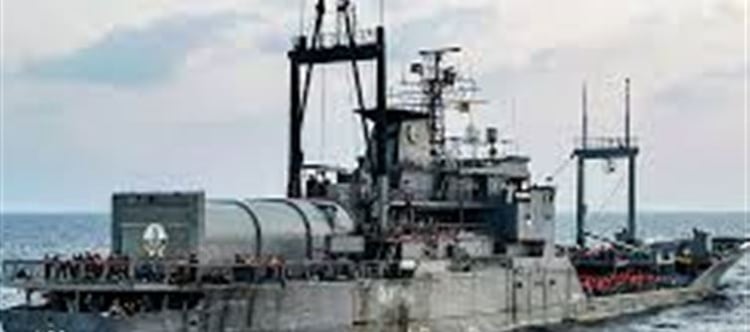

A significant maritime development has emerged as the IRIS Lavon ship has been granted permission to dock at kochi Port. The decision has quickly attracted attention due to the geopolitical and strategic implications surrounding international vessels entering indian ports. Authorities reportedly evaluated multiple factors before allowing the ship to anchor, ensuring compliance with maritime regulations and security protocols. The move has sparked discussions among political observers, maritime experts, and the public about the reasoning behind the approval. Now many are asking a key question: Why was the IRIS Lavon allowed to dock in kochi, and how could this decision impact regional maritime dynamics?
1. Why Authorities Allowed the IRIS Lavon to Dock
Permission for international vessels to dock at indian ports typically involves strict regulatory checks. Authorities examine documentation, purpose of visit, and security clearances before granting approval.
Every docking decision involves layers of scrutiny.
Because maritime security is never taken lightly.
2. How kochi Port Handles international Vessel Arrivals
Kochi is one of India’s strategically important ports and regularly receives vessels from around the world. The port follows international maritime protocols to ensure safe and lawful operations.
Behind every ship arrival lies a complex system.
of coordination, verification, and monitoring.
3. Why This Particular Docking Is Getting Public Attention
Certain ships attract attention due to their origin, cargo, or geopolitical context. The docking of the IRIS Lavon has therefore triggered discussions about broader maritime and diplomatic considerations.
Sometimes a single ship’s arrival
can spark conversations far beyond the harbor.
4. How Security and Compliance Are Ensured
Port authorities and security agencies closely monitor vessels during docking, unloading, and departure. This ensures that all maritime activities comply with national and international regulations.
In modern ports, nothing moves unchecked.
Every step is carefully observed.
5. What This Means for Maritime and Trade Activities
Allowing international vessels to dock supports trade, logistics, and global connectivity. At the same time, such decisions highlight the importance of balancing economic interests with security considerations.
Ports are more than transport hubs.
They are gateways that connect nations and economies.
Disclaimer:
The views and opinions expressed in this article are those of the author and do not necessarily reflect the official policy or position of any agency, organization, employer, or company. All information provided is for general informational purposes only. While every effort has been made to ensure accuracy, we make no representations or warranties of any kind, express or implied, about the completeness, reliability, or suitability of the information contained herein. Readers are advised to verify facts and seek professional advice where necessary. Any reliance placed on such information is strictly at the reader’s own risk.
.jpg)
 click and follow Indiaherald WhatsApp channel