



Introduction
Piped Natural Gas (PNG) provides a continuous and convenient gas supply to homes and commercial establishments, eliminating the need for LPG cylinders. But how exactly does PNG reach your kitchen safely and efficiently? Here’s a step-by-step explanation.
1. What Is PNG?
PNG (Piped Natural Gas) is natural gas supplied through a network of pipelines directly to homes, restaurants, or industries. It mainly consists of methane and is considered cleaner and more eco-friendly compared to LPG cylinders.
Advantages of PNG:
- Continuous supply — no need to wait for cylinder refills
- Environment-friendly — fewer emissions than LPG
- Cost-effective for regular use
2. From the Gas Source to City Distribution
The journey of PNG gas involves multiple stages:
Step 1: Extraction & Processing
Natural gas is extracted from gas fields and processed to remove impurities. This ensures the gas meets safety and quality standards.
Step 2: Transmission Pipeline
Processed natural gas travels through high-pressure transmission pipelines to cities and towns. These pipelines are usually operated by government or licensed gas companies.
Step 3: City Gas Distribution Network
Once in the city, the high-pressure gas enters a city gas distribution network (CGD). The pressure is lowered using regulator stations to make it safe for domestic and commercial use.
3. How PNG Reaches Your Home
Inside the city, the gas is transported to your home through a low-pressure distribution network:
Service Line Connection: A service pipeline connects your home to the main CGD network.
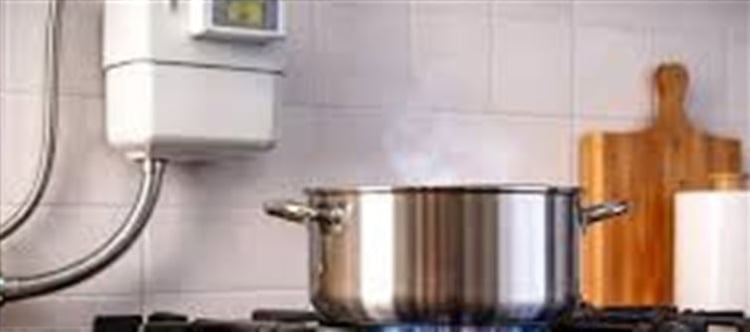
Domestic Gas Meter: Before entering your kitchen, gas passes through a domestic meter that records consumption.
Kitchen Piping: The gas is distributed through copper or flexible stainless steel pipelines to your stove or burner.
4. Safety Measures in PNG Supply
PNG supply is designed with multiple safety layers:
- Pressure Regulators: Reduce pipeline pressure to safe levels before entering your home
- Gas Meters: Monitor and control usage, and help detect leaks
- Leak Detectors: Modern kitchens may have gas leak detectors that alert users if gas escapes
- Automatic Shutoff: Some systems include solenoid valves that cut off supply during emergencies
5. How to Use PNG Safely
- Ensure pipelines and burners are regularly checked for leaks
- Do not tamper with meter or gas lines
- Install smoke and gas detectors in kitchens
- Follow your gas company’s safety guidelines
6. How PNG Differs from LPG Cylinders
Feature
PNG
LPG Cylinder
Supply
Continuous pipeline
Limited cylinder capacity
Refills
Not needed
Must order refill
Safety
Built-in regulation
Manual handling, risk of leaks during replacement
Cost
Economical for frequent use
Higher per unit if used daily
Conclusion
Piped Natural Gas (PNG) offers a safe, convenient, and eco-friendly alternative to LPG cylinders. Through a well-regulated network of pipelines, pressure regulators, meters, and safety valves, PNG reaches your kitchen ready to use — making daily cooking easier and more efficient.
Disclaimer:
The views and opinions expressed in this article are those of the author and do not necessarily reflect the official policy or position of any agency, organization, employer, or company. All information provided is for general informational purposes only. While every effort has been made to ensure accuracy, we make no representations or warranties of any kind, express or implied, about the completeness, reliability, or suitability of the information contained herein. Readers are advised to verify facts and seek professional advice where necessary. Any reliance placed on such information is strictly at the reader’s own risk.
 click and follow Indiaherald WhatsApp channel