


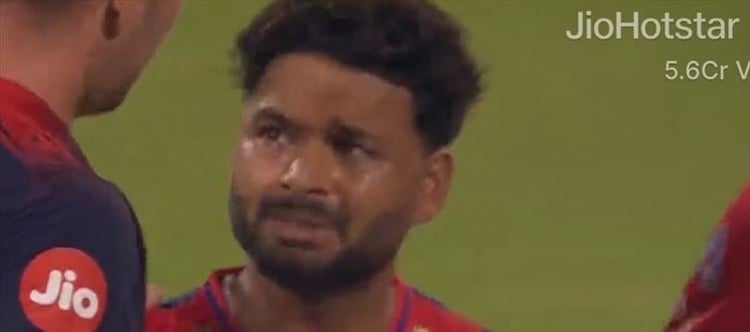

Rishabh Pant's return to delhi Capitals via a blockbuster IPL trade is less a sentimental reunion than a calculated franchise bet. In a league where mega-auctions are designed to shatter loyalty, delhi is weaponising the homecoming narrative as a marketing asset — banking on Pant's 3,284-run legacy and fan equity to rebuild both squad identity and commercial value, according to reports in the Times of India.
Here is a sentence that should make every IPL general manager sweat: the most valuable commodity in a league engineered to destroy loyalty is, paradoxically, loyalty itself. rishabh pant is back at delhi Capitals, and the roar you hear isn't just from Feroz Shah Kotla — it's the sound of a franchise recalculating the return on investment of a single player's emotional equity.
Let's not dress this up as pure romance. The numbers alone scream cold, hard logic. Across his first stint with delhi, pant amassed 3,284 runs in 110 innings at an average of 35.31 and a blistering strike rate of 148.93, according to ESPNcricinfo's IPL player records. Those aren't just good numbers for a wicketkeeper-batter; they're franchise-defining. Delhi's entire cricketing identity through the late 2010s and early 2020s was, in effect, the rishabh pant show — explosive, unpredictable, capable of winning unwinnable games single-handedly.
But what makes this trade genuinely fascinating — and what separates it from a dozen other IPL player swaps — is the meta-game it reveals. The mega-auction system, introduced to ensure competitive balance and prevent dynasties, was supposed to make loyalty impossible. Players were meant to be interchangeable assets, reshuffled every few cycles. And yet, here we are: delhi Capitals pulling off a trade whose cricketing logic is inseparable from its marketing logic. The homecoming IS the product.
The ab de villiers Warning Shot
Not everyone is buying what delhi is selling. ab de villiers, a man who knows a thing or two about franchise loyalty — he gave RCB his entire IPL career — has publicly torn into delhi Capitals' ownership approach. In comments reported by the Times of india, De Villiers described the franchise's decision-making as 'wishy-washy,' questioning whether letting pant leave in the first place only to engineer a dramatic return constituted a coherent strategy or simply chaotic ownership.
View on X
It's a devastating critique, and it lands because it exposes the tension at the heart of this deal. If pant was so indispensable — and those 3,284 runs suggest he was — why did delhi let the situation deteriorate to the point of separation? The answer, uncomfortable as it is, lies in the mega-auction's perverse incentives. Franchises sometimes have to release their best players to restructure squads under the salary cap, trusting they can re-acquire them later. It's a gamble that treats human relationships like accounting entries. Sometimes it works. Sometimes it produces exactly the kind of public 'confusion' De Villiers is calling out.
The ₹30-Crore Question
The trade also pre-empts what could have been an astronomical auction bill. Multiple cricket media reports have speculated that if pant had entered the IPL 2027 auction as a free agent, he could have commanded upwards of ₹30 crore — a figure that would have tested even the most generous purse. india Herald was unable to independently verify a precise valuation, but the directional logic holds: Pant's market value at open auction would almost certainly have exceeded what delhi paid in this trade.
By trading for pant now, delhi effectively locks in their marquee player at a known cost, avoiding the feeding frenzy of an open auction. It's a move borrowed from American sports economics — the franchise trade as salary arbitrage — and it signals growing sophistication in how IPL front offices think about player valuation. The days of simply throwing money at the auction paddle are evolving into something more strategic, more NFL-adjacent.
What This Means for IPL 2027 and Beyond
The ripple effects are already visible. cricket journalists and fan accounts across social media platforms have begun circulating lists of potential new captains, shock retention calls, and squad overhauls — though none of these scenarios have been confirmed by franchises or the BCCI. What is clear is that the pant trade has shifted the IPL's strategic conversation.
For delhi specifically, the question now is whether the reunion can translate into the one thing that has eluded the franchise throughout its history: a maiden IPL title. Pant's record at the Capitals is spectacular in isolation, but Delhi's trophy cabinet remains stubbornly empty. The franchise reached the final in IPL 2020 under Shreyas Iyer's captaincy but couldn't close the deal. pant later captained the side in subsequent seasons, but the title remained elusive. Bringing him back addresses the star-power deficit but doesn't automatically solve the squad-depth and bowling questions that have haunted delhi for years.
And here is the dimension most commentary will miss: this trade tells us something profound about what the IPL has become in 2026. It is no longer purely a cricket tournament with a business model bolted on. It is a content ecosystem — a soap opera where storylines have monetary value. The prodigal son returns. The captain comes home. These are not just headlines; they are brand narratives that sell sponsorships, drive streaming subscriptions, and fill stadiums. delhi Capitals isn't just buying a cricketer. They're buying a story. And in the attention economy of modern cricket, that story might be worth every crore.
Whether the story ends with a trophy, though, is the question the scoreboard — not the marketing department — will have to answer.
Key Takeaways
- Rishabh pant returns to delhi Capitals via a major IPL trade, reuniting with the franchise where he scored 3,284 runs in 110 innings at a strike rate of 148.93, per ESPNcricinfo.
- AB de Villiers has publicly criticised delhi Capitals' ownership as 'wishy-washy' for letting pant go and then engineering a return, per Times of India.
- Multiple cricket media reports suggest pant could have commanded upwards of ₹30 crore at a 2027 open auction, though no verified valuation has been published.
- The deal signals a broader IPL shift where loyalty narratives are being treated as premium franchise marketing assets, not just cricketing decisions.
- Delhi Capitals still lack a maiden IPL title despite Pant's individual brilliance, raising questions about whether star power alone can bridge the gap.
Frequently Asked Questions
Why did rishabh pant return to delhi Capitals?
pant returned via a major IPL trade, reuniting with the franchise where he scored 3,284 runs in 110 innings, per ESPNcricinfo. The move is seen as both a cricketing and commercial decision, with delhi banking on his on-field impact and fan equity, according to reports in the Times of India.
What is rishabh Pant's IPL record at delhi Capitals?
pant scored 3,284 runs in 110 innings for delhi Capitals at an average of 35.31 and a strike rate of 148.93, according to ESPNcricinfo's IPL player records, making him the franchise's most impactful batter across multiple seasons.
Who captained delhi Capitals in the IPL 2020 final?
Shreyas Iyer captained delhi Capitals when they reached the IPL 2020 final, where they lost to mumbai Indians. pant later took over as captain in subsequent seasons.
What did ab de villiers say about delhi Capitals and rishabh Pant?
ab de villiers criticised delhi Capitals' ownership as 'wishy-washy' for letting pant leave and then bringing him back via trade, questioning the coherence of the franchise's strategy, as reported by Times of India.


 click and follow Indiaherald WhatsApp channel