
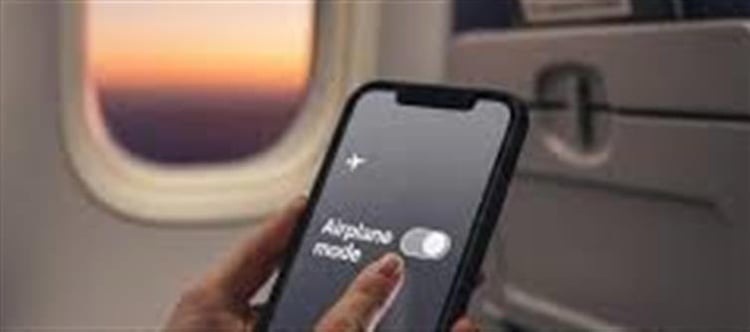


1. What Exactly is Airplane Mode?
- Airplane Mode disables your phone's wireless communication features, including:
- Cellular network
- Wi-Fi
- Bluetooth
- It limits radio signals, ensuring no interference with the aircraft's communication systems.
2. Preventing Interference with Aircraft Systems
- While modern aircraft have shielded systems, the rule exists to prevent potential interference from millions of devices emitting radio signals.
- Communication & navigation systems could be affected by simultaneous phone signals, which is why phones need to be in Airplane Mode.
- While no major incidents have been directly linked to phones, it's a precautionary measure.
3. Myth: Airplane Mode Saves Battery
- Airplane Mode does save battery because it turns off battery-draining features like searching for signals, connecting to Wi-Fi, etc.
- It can help you make your battery last longer during a long flight, especially if you need your phone for offline activities like reading, listening to music, or watching downloaded content.
4. Why You Can Use Wi-Fi on Flights
- Many airlines offer in-flight Wi-Fi services, but the Wi-Fi signal doesn’t interfere with aircraft systems.
- In this case, Airplane Mode is still activated, but Wi-Fi can be manually turned on without turning off the mode entirely.
- This allows you to stay connected, but with minimal interference to aircraft systems.
5. Bluetooth: A Gray Area
- Bluetooth is usually safe to use during a flight, as its signals are low-powered and not likely to interfere with the plane's electronics.
- However, most airlines recommend you keep it off to stay on the safe side and avoid any possible disruptions.
6. It’s All About Safety, Not Convenience
- The main reason for the rule is safety, not just convenience.
- Regulations set by aviation authorities require phones to be on Airplane Mode because of their potential to disrupt communication systems, even if the risk is low.
- Airlines and flight attendants ask passengers to comply for safety and legal reasons, and failure to do so could lead to warnings or fines.
7. Can Airplane Mode Save Your Life?
- While the rule seems minor, it’s a critical safety protocol in the unlikely event of an emergency.
- In an emergency, flight crews need uninterrupted communication with air traffic control, and having devices in Airplane Mode minimizes the chance of accidental interference.
✅ Bottom Line
Airplane Mode is not just a rule for convenience; it’s a safety measure that minimizes risks, ensuring communication systems stay clear and functional. While it may not be a life-saving feature on its own, it’s a simple step toward keeping flights as safe as possible.
Disclaimer:
The views and opinions expressed in this article are those of the author and do not necessarily reflect the official policy or position of any agency, organization, employer, or company. All information provided is for general informational purposes only. While every effort has been made to ensure accuracy, we make no representations or warranties of any kind, express or implied, about the completeness, reliability, or suitability of the information contained herein. Readers are advised to verify facts and seek professional advice where necessary. Any reliance placed on such information is strictly at the reader’s own risk.
 click and follow Indiaherald WhatsApp channel