
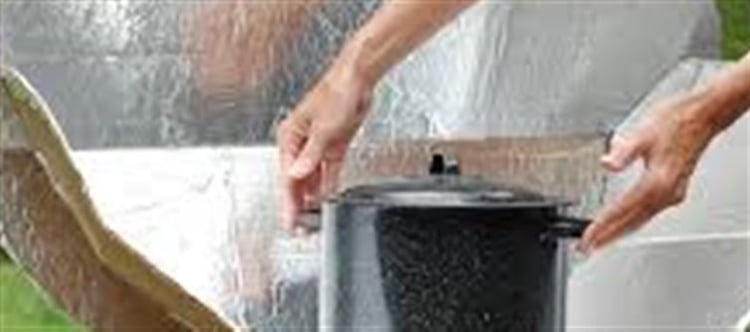


With rising fuel costs and increasing environmental concerns, solar cookers are emerging as an eco-friendly and cost-effective alternative to traditional cooking methods. These devices use sunlight to cook food, eliminating dependence on LPG, gas, or electricity. Here’s a detailed look at how solar cookers can transform your cooking experience.
1. Understanding Solar Cookers
Solar cookers are devices that harness sunlight to cook food. They use reflective surfaces or enclosed designs to concentrate solar energy, converting it into heat for cooking. They are particularly effective in sunny regions and can be a sustainable solution for households and communities.
Types of Solar Cookers:
- Box-type cookers: Insulated boxes with a transparent lid, suitable for slow cooking and baking.
- Parabolic cookers: Curved reflective surfaces that focus sunlight to a single point, ideal for high-heat cooking.
- Panel cookers: Simple reflective panels that direct sunlight onto a cooking pot, portable and easy to use.
2. Benefits of Using Solar Cookers
a. Cost Savings
By relying solely on sunlight, solar cookers reduce monthly LPG or electricity bills, making them a financially viable option for many households.
b. Environmental Impact
Solar cooking produces zero carbon emissions, contributing to cleaner air and reduced greenhouse gases compared to LPG or electric stoves.
c. Safety and Health
Solar cookers eliminate the risk of gas leaks or fire hazards. They also cook food at moderate temperatures, retaining more nutrients and flavor.
3. How Solar Cooking Works
Solar cookers operate on the principle of concentrating sunlight to generate heat:
Absorption: Dark-colored pots absorb sunlight efficiently.
Reflection: Mirrors or reflective panels concentrate sunlight onto the cooking area.
Insulation: Enclosed designs retain heat, allowing food to cook evenly.
This process can reach temperatures sufficient for boiling, baking, and slow-cooking meals.
4. Practical Tips for Using Solar Cookers
- Place the cooker in direct sunlight for optimal performance.
- Use black or dark-colored cooking vessels to maximize heat absorption.
- Preheat the cooker before adding food for faster cooking.
- Rotate the cooker occasionally to follow the sun’s path and maintain consistent heat.
5. Overcoming Common Concerns
a. Weather Dependence: Solar cooking is most effective in sunny conditions. For cloudy days, backup options like LPG can be used minimally.
b. Cooking Time: Solar cooking may take longer than conventional stoves. Planning meals and starting early in the day can help.
c. Meal Variety: Solar cookers can handle a wide range of recipes, from rice and vegetables to baked goods and stews.
6. Conclusion
Solar cookers are an innovative solution for reducing dependency on LPG, gas, and electricity. They save money, protect the environment, and provide a safe and healthy cooking method. As technology improves, solar cooking is likely to become an increasingly common and practical choice for households around the world.
Disclaimer:
The views and opinions expressed in this article are those of the author and do not necessarily reflect the official policy or position of any agency, organization, employer, or company. All information provided is for general informational purposes only. While every effort has been made to ensure accuracy, we make no representations or warranties of any kind, express or implied, about the completeness, reliability, or suitability of the information contained herein. Readers are advised to verify facts and seek professional advice where necessary. Any reliance placed on such information is strictly at the reader’s own risk.
 click and follow Indiaherald WhatsApp channel