



Introduction
With rapid advances in Artificial Intelligence (AI), automation is reshaping industries—from banking and healthcare to education and manufacturing. However, experts argue that even in the next few decades, some jobs will remain difficult for AI to fully replace due to their emotional, creative, or highly human-centered nature.
Still, saying any job is completely “AI-proof” is an overstatement. technology evolves fast, and roles may change rather than disappear.
Jobs AI Is Unlikely to Fully Replace
1. Healthcare and Human Care Roles
Jobs like doctors, nurses, and caregivers rely heavily on empathy, ethical judgment, and human interaction.
While AI can assist in diagnosis and surgery, it cannot replace:
- Emotional support to patients
- Complex ethical decisions
- Hands-on patient care in unpredictable situations
Related fields like those governed by systems such as General Medicine will still require human professionals.
2. Teaching and Education
Teachers do far more than deliver information. They:
- Understand student psychology
- Motivate learners
- Adapt teaching styles dynamically
Even though AI tools may support learning, the role of educators in institutions like university of delhi and schools will remain essential.
3. Creative Professions
Artists, writers, filmmakers, and musicians rely on imagination and cultural context. AI can generate content, but:
- Original human storytelling
- Deep emotional expression
- Cultural and personal experiences
are still hard for machines to truly replicate.
4. Skilled Trades and Field Work
Jobs like electricians, plumbers, mechanics, and construction workers require:
- Real-world problem solving
- Physical adaptability
- On-site decision-making
Robots can assist, but replacing humans completely in unpredictable environments is still challenging.
5. Leadership and Decision-Making Roles
Managers, entrepreneurs, and policymakers depend on:
- Judgment under uncertainty
- Human negotiation
- Ethical and social understanding
AI can provide data, but final responsibility remains human.
Important Reality Check
While these jobs are less likely to be fully automated, AI will still transform them by:
- Increasing productivity
- Reducing routine tasks
- Changing required skill sets
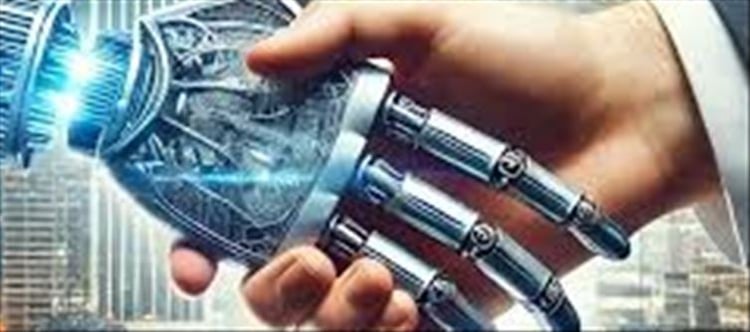
So the future is more about human-AI collaboration than replacement.
Conclusion
The idea that some jobs will remain untouched by AI for the next 50 years is partly true but not absolute. Fields involving empathy, creativity, and real-world complexity will continue to depend on humans. However, workers in all sectors will need to adapt and upskill as AI becomes a supporting tool in almost every profession.
Disclaimer:
The views and opinions expressed in this article are those of the author and do not necessarily reflect the official policy or position of any agency, organization, employer, or company. All information provided is for general informational purposes only. While every effort has been made to ensure accuracy, we make no representations or warranties of any kind, express or implied, about the completeness, reliability, or suitability of the information contained herein. Readers are advised to verify facts and seek professional advice where necessary. Any reliance placed on such information is strictly at the reader’s own risk.
 click and follow Indiaherald WhatsApp channel