
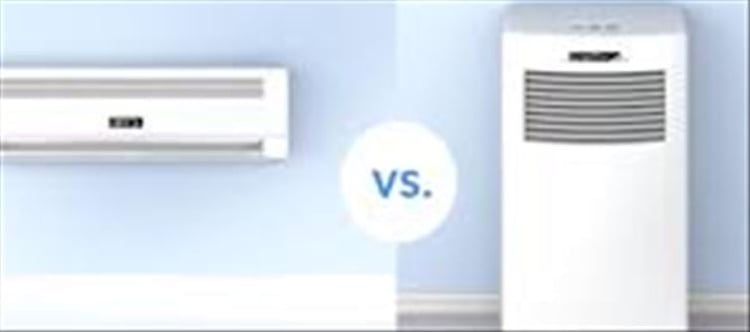


When choosing an air conditioner, electricity consumption is one of the biggest concerns—especially with rising power bills. Between a portable AC and a split AC, the difference in electricity usage is significant.
Let’s break it down clearly.
⚡ 1. Basic Difference in Working
🧊 Portable AC
- Single unit placed inside the room
- Hot air is expelled through a pipe (usually via a window)
- The entire cooling system works inside the room itself
🧊 Split AC
- Two units: indoor + outdoor compressor
- Outdoor unit releases heat outside the room
- Designed for efficient long-term cooling
🔌 2. Which Consumes More Electricity?
👉 Portable AC: Higher consumption (less efficient)
- Works harder to cool the room
- Heat exchange is less efficient
- Often runs longer to achieve the same cooling
👉 Typical usage: More electricity per hour of cooling
👉 Split AC: Lower consumption (more efficient)
- Heat is released outside via compressor
- Faster cooling with less strain
- Inverter split ACs adjust power based on temperature
👉 Typical usage: 20%–40% more energy-efficient than portable ACs
📊 3. Power Consumption Comparison (Approx.)
Type
Cooling Efficiency
Electricity Use
Ideal Use
Portable AC
Low–Medium
High
Small rooms, temporary use
Split AC
High
Low–Moderate
Regular home/office use
🏠 4. Why Portable AC Uses More Power
Portable ACs consume more electricity because:
- ❌ Hot air stays partially inside the room
- ❌ Cooling cycle is less stable
- ❌ Compressor works longer
- ❌ Heat leakage through exhaust pipe
👉 Result: higher electricity bill for same cooling comfort
🌬️ 5. Why Split AC Is More Efficient
Split ACs are designed for efficiency:
- ✔️ Heat is fully expelled outside
- ✔️ Better compressor technology (especially inverter models)
- ✔️ Maintains steady room temperature
- ✔️ Less energy wasted inside the room
💡 6. Which One Should You Choose?
Choose Portable AC if:
- You are in a rented place
- You need a temporary cooling solution
- You cannot install outdoor units
Choose Split AC if:
- You want long-term savings on electricity
- You need powerful cooling for large rooms
- You plan permanent installation
📉 7. electricity Bill Impact Example
- Portable AC (1.5 ton equivalent): higher daily consumption
- Split inverter AC (1.5 ton): lower power usage over time
👉 Over a year, a split AC can save hundreds to thousands of rupees depending on usage.
🧠 Final Takeaway
✔️ Portable AC = Convenient but power-hungry
✔️ Split AC = More efficient and cheaper in the long run
👉 In simple terms:
If electricity savings matter, split AC is the smarter choice.
Disclaimer:
The views and opinions expressed in this article are those of the author and do not necessarily reflect the official policy or position of any agency, organization, employer, or company. All information provided is for general informational purposes only. While every effort has been made to ensure accuracy, we make no representations or warranties of any kind, express or implied, about the completeness, reliability, or suitability of the information contained herein. Readers are advised to verify facts and seek professional advice where necessary. Any reliance placed on such information is strictly at the reader’s own risk.
 click and follow Indiaherald WhatsApp channel