
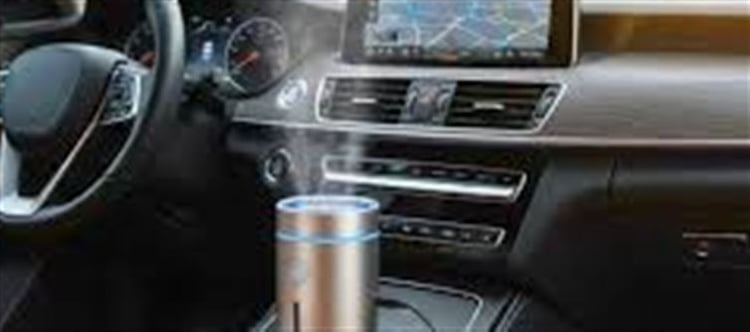


For commuters in cities like Delhi-NCR, where smog season frequently drives AQI levels into the red, air pollution is a daily concern. Many people rely on masks and home air purifiers, but the question arises: Can air purifiers actually make a difference inside your car?
· car air purifiers use HEPA filters, activated carbon, or ionizers to remove particulate matter (PM2.5, PM10), dust, pollen, and some gases from the air.
· They are designed for enclosed spaces and help reduce the concentration of pollutants inside the cabin.
· Some advanced purifiers can also reduce odors and volatile organic compounds (VOCs).
2. Benefits of Using a car air Purifier
· Cleaner Air: Reduces dust, pollen, and harmful particulate matter inside the vehicle.
· Health Protection: Helps people with asthma, allergies, or respiratory issues breathe easier during commutes.
· Odor Control: Neutralizes smoke, food smells, or pet odors.
3. Limitations
· Does Not Replace Masks Outdoors: air purifiers work inside the vehicle, but when stepping outside, exposure continues.
· Effectiveness Depends on Size and Placement: Small purifiers may not cover larger cars or SUVs effectively.
· Cannot Eliminate Gases Fully: Certain harmful gases like NO2 may not be entirely removed by standard filters.
4. Tips for Maximum Effectiveness
· Keep Windows Closed: Ensures external pollution doesn’t constantly enter the cabin.
· Replace Filters Regularly: HEPA and carbon filters need periodic replacement to maintain efficiency.
· Use in Conjunction with AC: Many purifiers work best when paired with the car’s air circulation system.
· Consider Ionizers or Advanced Filters: These can remove smaller particles and some gaseous pollutants more effectively.
Conclusion
While a car air purifier cannot make the air 100% pollution-free, it significantly improves air quality inside the cabin, making daily commutes healthier and more comfortable. For commuters in high-smog regions like Delhi-NCR, it’s a useful supplement to masks and safe driving habits.
Disclaimer:
The views and opinions expressed in this article are those of the author and do not necessarily reflect the official policy or position of any agency, organization, employer, or company. All information provided is for general informational purposes only. While every effort has been made to ensure accuracy, we make no representations or warranties of any kind, express or implied, about the completeness, reliability, or suitability of the information contained herein. Readers are advised to verify facts and seek professional advice where necessary. Any reliance placed on such information is strictly at the reader’s own risk..jpg)
 click and follow Indiaherald WhatsApp channel