


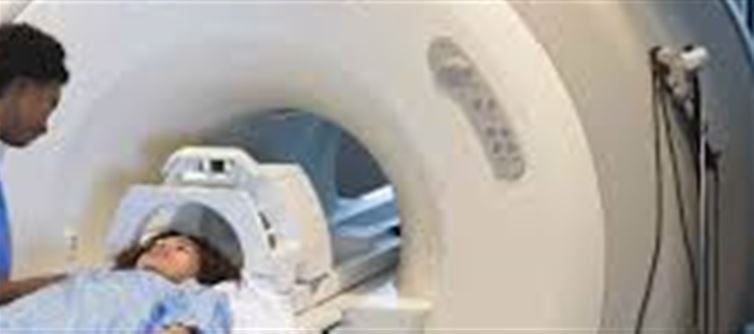

Full-body MRIs (Magnetic Resonance Imaging) are increasingly advertised as a preventive health check-up that can detect hidden diseases early. But medical experts caution that these scans may not always be worth it. Here’s what you need to know.
1️⃣ What Is a Full-Body MRI?
- A full-body MRI scans the entire body in a single session.
- It aims to detect tumors, vascular issues, organ abnormalities, or early disease.
- Typically takes 45–90 minutes, depending on the machine and protocols.
2️⃣ Potential Benefits of Full-Body MRI
- Can identify certain cancers or aneurysms early.
- Detects asymptomatic abnormalities that may otherwise go unnoticed.
- Provides peace of mind for people with high-risk family histories.
⚠️ Important: While this sounds promising, benefits are not guaranteed, and the test may detect incidental findings that aren’t harmful.
3️⃣ Why Doctors Are Cautious
- False positives: MRI may detect anomalies that are benign, leading to unnecessary worry or invasive tests.
- Incidental findings: Minor, harmless abnormalities can result in further tests, biopsies, or procedures.
- Cost and accessibility: Full-body MRIs are expensive and not typically covered by insurance.
- No proven mortality benefit: There’s limited evidence that scanning asymptomatic individuals improves long-term survival.
4️⃣ Who Might Benefit Most
- Individuals with strong family history of certain cancers.
- People with genetic predispositions for serious conditions.
- Patients under medical supervision, where results will guide meaningful interventions.
For the general population, experts generally do not recommend routine full-body MRI.
5️⃣ Potential Risks and Downsides
- Anxiety and stress due to incidental findings
- Additional invasive testing following unclear results
- Financial cost without guaranteed benefit
- Rare contrast reactions if dye is used
6️⃣ Alternatives to Full-Body MRI
- Routine age-appropriate screenings (mammogram, colonoscopy, Pap smear, PSA test)
- Targeted MRI or CT scans if you have specific symptoms or risk factors
- Regular check-ups, blood tests, and healthy lifestyle to prevent disease
7️⃣ Key Takeaways
- Full-body MRI is not a one-size-fits-all preventive test.
- For most healthy adults, routine screening does not improve outcomes and may cause unnecessary stress or procedures.
- Consult your doctor to determine whether targeted imaging based on risk factors is a safer and more effective approach.
Disclaimer:
The views and opinions expressed in this article are those of the author and do not necessarily reflect the official policy or position of any agency, organization, employer, or company. All information provided is for general informational purposes only. While every effort has been made to ensure accuracy, we make no representations or warranties of any kind, express or implied, about the completeness, reliability, or suitability of the information contained herein. Readers are advised to verify facts and seek professional advice where necessary. Any reliance placed on such information is strictly at the reader’s own risk.
 click and follow Indiaherald WhatsApp channel