


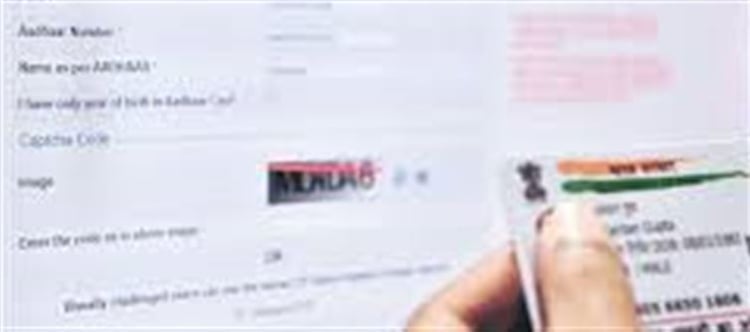

There has been growing concern in india that sensitive personal information — such as Aadhaar numbers, PAN card details, and other identity data — may be available for sale on the dark web or used in scams by criminals. These worries are being shared widely on social media and forums, and some cybersecurity reports seem to back parts of these claims.
🧠 What Is the Dark Web and Why Does It Matter?
The dark web is a hidden part of the internet accessible only with special tools (e.g., TOR). It’s often used by criminals to trade stolen data, malware, fake credentials, and other illegal goods because it’s hard for authorities to trace.
This doesn’t mean everyone’s data is definitely there, but breached or leaked information from other sources can sometimes surface there. Security researchers have found indian personal data being offered on underground forums.
📊 Reports About Aadhaar & PAN Data On Sale
🔎 Large Data Dumps Reported
Cyber intelligence firms have flagged that millions of Aadhaar IDs and passport records were being offered on dark‑web forums by threat actors. One post claimed access to hundreds of millions of indian records, including Aadhaar numbers.
❓ Validity & government Position
- It’s important to note that the Aadhaar database itself has not been officially confirmed as breached by the issuing authority (UIDAI). Researchers say the data may come from third‑party leaks or old breaches, not necessarily a direct government system hack.
- In some cases, scanned copies of IDs and extracted data from other services — like apps, private databases, or unsecured systems — may be collected and repackaged for sale.
🧠 How Does Sensitive Data Leak?
Your Aadhaar or PAN details can end up in dark web lists due to several reasons:
1. Breaches in Third‑Party Databases
Data stored with companies (insurance, fintech, apps) can get exposed if their security is weak. Examples include past incidents where Aadhaar and other details were allegedly found in leaked datasets.
2. Unauthorized Collection By Scam Sites
Fake websites may lure people into entering identity information, then store or sell this data. In some fraud cases, criminals used fake portals and APIs to harvest Aadhaar/PAN details.
3. Shared or Submitted Copies
Even sharing your ID scans for KYC (Know Your Customer) with untrusted or unsecured entities can risk exposure if they mishandle or store the data insecurely.
4. Accidental Exposure
Sometimes internal systems of private firms or apps leak data online by mistake, which cybercriminals then scrape. This has happened in unrelated sectors (e.g., COVID registration platforms).
⚠️ Real Risks of Your Data Being Sold
If your PAN or Aadhaar information is out there, attackers could try to misuse it in different ways:
👤 Identity Fraud
Bad actors may impersonate you to open bank accounts, apply for loans, or file bogus tax returns.
📞 Scams & Extortion Calls
Fraudsters often use leaked personal information to make fake calls or messages pretending to be officials, threatening legal action or arrest.
🪪 Fake Documents
Scammers might create bogus Aadhaar or PAN cards or sell fake ones, especially using AI tools and forgery methods.
🛑 What Doesn’t Happen Easily
Even if someone has your Aadhaar or PAN number:
- They must still authenticate via OTPs/biometrics for many official operations — especially Aadhaar‑linked services.
- They can’t directly access your bank account using just card numbers.
- The tax department and uidai have security checks that trigger alerts if unusual activity happens.
So the mere presence of data on a dark web list doesn’t automatically mean your money or accounts are instantly compromised.
🛡️ How to Protect Yourself
Here are practical steps you can take:
🔐 1. Monitor Aadhaar Authentication
You can check where your Aadhaar number was used for authentication via the official portal to spot unauthorized access.
🔑 2. Lock Your Aadhaar Biometric
You can lock Aadhaar biometric so it can’t be misused without your consent.
📊 3. Check PAN Activity
Review your tax account and financial records for unknown transactions or notices.
🚫 4. Avoid Sharing on Unverified Sites
Never enter Aadhaar or PAN information on unfamiliar websites or via unsolicited messages.
📞 5. Report Scams
If you suspect misuse, file a complaint with the National Cyber Crime Reporting Portal or local cyber police.
🧠 Final Word
⚠️ Is your PAN and Aadhaar definitely on the dark web? — Not necessarily.
However, copies of personal ID data do appear in underground markets, usually due to third‑party breaches, phishing sites, or past leaks, not because the government database was directly hacked.
This doesn’t mean ignore the risk — it means you should act wisely, secure your details, and monitor your records regularly.
Disclaimer:
The views and opinions expressed in this article are those of the author and do not necessarily reflect the official policy or position of any agency, organization, employer, or company. All information provided is for general informational purposes only. While every effort has been made to ensure accuracy, we make no representations or warranties of any kind, express or implied, about the completeness, reliability, or suitability of the information contained herein. Readers are advised to verify facts and seek professional advice where necessary. Any reliance placed on such information is strictly at the reader’s own risk.
 click and follow Indiaherald WhatsApp channel