


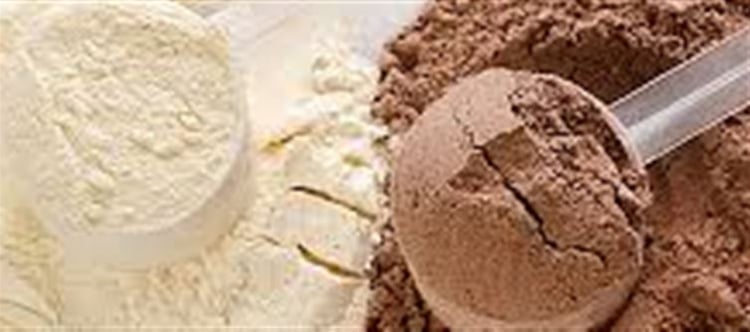

Protein powders are everywhere — in gyms, supermarkets, influencer videos, and even office desks. They’re marketed as “clean,” “healthy,” “pure,” and “muscle-friendly.”
But experts warn: many protein powders contain far more than just protein.
From hidden sugars to chemical additives, from cheap fillers to unsafe contaminants, what you don’t see on the label may undermine your health goals — or even your digestion and hormones.
Before your next scoop, here’s what you must know.
The Hidden Truth: What’s Actually Inside Many protein Powders
1. Added Sugars & Artificial Sweeteners
To make protein taste like milkshakes, manufacturers often add sugar or ultra-sweet chemical substitutes.
❌ Common issues:
· Blood sugar spikes
· Increased cravings
· Digestive discomfort
· Artificial sweeteners causing bloating or headaches in some people
🔎 Look for:
· <3g added sugar per serving
· Natural sweeteners like stevia or monk fruit (if you prefer sweetened powders)
2. Cheap Fillers & Low-Quality protein Sources
Some brands use fillers to bulk up the product and cut costs.
❌ Fillers may include:
· Maltodextrin
· corn starch
· Soy fillers
· Unnecessary thickeners
These add calories without adding nutrition.
🔎 Look for:
· Minimal ingredients
· First ingredient should be a high-quality protein (like whey isolate, pea protein, or casein)
3. Heavy Metals & Contaminants (A Real Concern)
Independent testing has found some powders contaminated with traces of:
· Lead
· Arsenic
· Cadmium
· Mercury
These usually come from poor sourcing or contaminated soil where ingredients were grown.
🔎 Look for:
· Third-party testing certifications like NSF, Informed Choice, or Clean Label Project
· Brands that disclose heavy metal test results
4. Difficult-to-Digest Additives
Certain emulsifiers and gums can irritate sensitive stomachs.
❌ Watch out for:
· Carrageenan
· Excessive xanthan gum
· Artificial flavors and dyes
🔎 Look for:
· Natural flavors
· Digestive enzyme blends (optional but helpful)
5. “Protein Spiking” — A Trick That Cheats Customers
Some companies inflate protein numbers by adding cheap amino acids that fool lab tests but don’t deliver real protein benefits.
❌ Red flags:
· Extremely cheap powders
· Ingredient list showing glycine, taurine, or creatine near the top
🔎 Look for:
· Transparent labeling
· No suspicious amino acids added on top
How to Choose a Safe, High-Quality protein Powder
Experts recommend checking these 7 points before buying:
✔ 1. protein type
Choose based on your needs:
· Whey isolate: fastest digestion
· Whey concentrate: budget-friendly
· Casein: slow-release
· Plant-based: gut-friendly, lactose-free
✔ 2. Ingredient list
Prefer powders with 5 or fewer ingredients.
✔ 3. Sweetener type
Choose unsweetened or naturally sweetened options.
✔ 4. Third-party testing
Vital for safety, purity, and accuracy.
✔ 5. Digestibility
Look for enzyme blends or lactose-free options if you’re sensitive.
✔ 6. Source transparency
Brands that tell you where they source ingredients usually have higher standards.
✔ 7. No unnecessary claims
Avoid powders claiming “detox,” “weight loss,” or “miracle muscle growth.”
Conclusion: What You Don’t See Can Hurt Your Health
Protein powders can be healthy, convenient, and beneficial — when you choose the right one.
But choosing blindly can expose you to sugar bombs, cheap fillers, or contaminants that sabotage your fitness and wellness goals.
Disclaimer:
The views and opinions expressed in this article are those of the author and do not necessarily reflect the official policy or position of any agency, organization, employer, or company. All information provided is for general informational purposes only. While every effort has been made to ensure accuracy, we make no representations or warranties of any kind, express or implied, about the completeness, reliability, or suitability of the information contained herein. Readers are advised to verify facts and seek professional advice where necessary. Any reliance placed on such information is strictly at the reader’s own risk.
 click and follow Indiaherald WhatsApp channel