
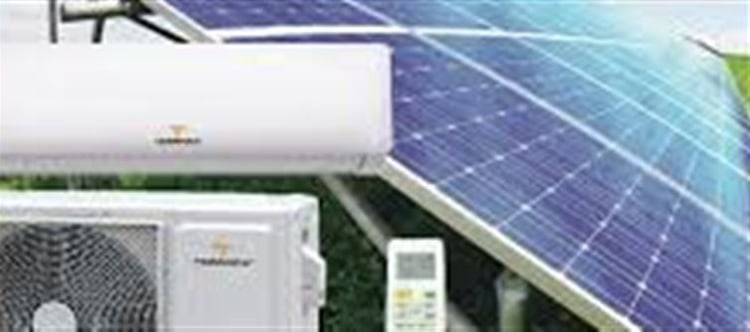


Introduction to Solar AC
A Solar air Conditioner (Solar AC) is an innovative cooling system that uses solar energy to operate, either partially or completely. Unlike conventional air conditioners that rely solely on electricity from the grid, solar ACs harness power from solar panels, helping reduce electricity bills and carbon footprint. With increasing energy costs and environmental concerns, solar ACs are becoming a sustainable solution for residential and commercial spaces.
How Does a Solar AC Work?
A solar AC combines solar photovoltaic (PV) panels with traditional air conditioning technology. Here’s how it typically works:
Solar Panels Capture Energy: The solar panels installed on the roof or nearby areas capture sunlight and convert it into DC electricity.
Inverter Conversion: The DC electricity from solar panels is converted into AC electricity via an inverter to run the air conditioner.
Cooling Cycle: The AC unit uses the electricity to power the compressor and fans, providing the same cooling effect as a conventional AC.
Grid Integration (Optional): Some solar ACs are hybrid, meaning they can switch to grid electricity during insufficient sunlight, ensuring uninterrupted cooling.
Types of Solar AC Systems
Solar ACs come in different types depending on energy usage and system design:
DC Solar AC: Directly runs on solar DC power without inverters. It is highly energy-efficient but requires constant sunlight.
Hybrid Solar AC: Can operate on solar power when available and switch to electricity from the grid when needed.
Solar Thermal AC: Uses solar energy to produce heat, which is then used to power an absorption cooling system. This type is suitable for large commercial setups.
Features of a Solar AC
1. Reduced electricity Bills
The primary advantage of a solar AC is its ability to lower or eliminate monthly electricity bills, depending on the solar system size.
2. Eco-Friendly Operation
Solar ACs use clean solar energy, reducing greenhouse gas emissions and reliance on fossil fuels.
3. Energy Efficiency
Modern solar ACs come with high EER (Energy Efficiency Ratio) ratings, making them more efficient than conventional AC units.
4. Hybrid Operation
Hybrid solar ACs automatically switch to grid electricity during low sunlight, ensuring continuous comfort.
5. Smart Controls
Many solar ACs are equipped with smart sensors, Wi-Fi connectivity, and app-based controls for easy monitoring and optimization of energy usage.
Advantages of Installing a Solar AC
- Long-term cost savings on electricity bills.
- Reduces carbon footprint and promotes sustainability.
- Reliable cooling even in remote areas with abundant sunlight.
- Potential incentives or tax benefits in some regions for solar installations.
Considerations Before Buying
- Initial Cost: Solar ACs are more expensive upfront than traditional ACs due to solar panel installation.
- Space for Solar Panels: Adequate rooftop or open area is needed for efficient solar energy generation.
- Climate Suitability: Best suited for regions with high solar exposure.
Conclusion
A Solar AC is an eco-friendly, energy-efficient, and cost-saving solution for modern cooling needs. By using the power of the sun, it not only reduces electricity bills but also contributes to a sustainable future. As technology advances, solar ACs are becoming more accessible and practical for homes and offices alike.
Disclaimer:
The views and opinions expressed in this article are those of the author and do not necessarily reflect the official policy or position of any agency, organization, employer, or company. All information provided is for general informational purposes only. While every effort has been made to ensure accuracy, we make no representations or warranties of any kind, express or implied, about the completeness, reliability, or suitability of the information contained herein. Readers are advised to verify facts and seek professional advice where necessary. Any reliance placed on such information is strictly at the reader’s own risk.
 click and follow Indiaherald WhatsApp channel