


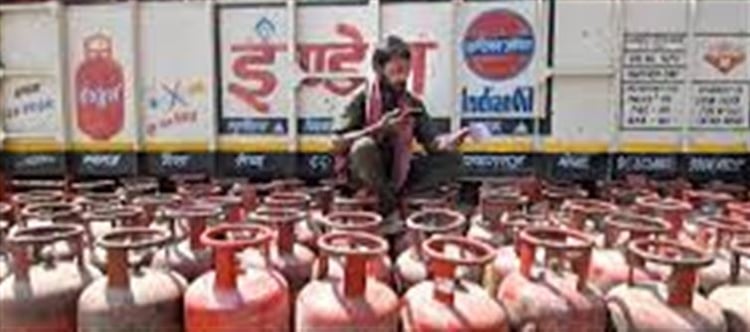

The Government of India has introduced a significant policy change affecting domestic liquefied petroleum gas (LPG) connections. Under the new rules, households located in areas where piped natural gas (PNG) is available may have their LPG supply stopped if they fail to switch to PNG.
🏠 What the New Rule Says
- The government has mandated that in areas with existing PNG infrastructure, households should switch from LPG cylinders to PNG for cooking fuel.
- If a household does not switch within the specified timeframe (around 3 months) after PNG becomes available, their LPG cylinder supply could be discontinued.
- The change applies to both new and existing LPG connections in PNG‑ready areas — essentially allowing only one cooking gas connection per household (PNG instead of LPG).
🛢️ Why the government Is Pushing the Switch
There are several reasons behind this policy move:
🔹 1. Strengthening Energy Security
India remains heavily dependent on imported LPG, and global supply risks — especially due to the ongoing Middle east crisis — have made LPG supply chains more vulnerable. By shifting more households to PNG, which can be sourced through domestic pipelines and LNG terminals, the government aims to reduce this dependency.
🔹 2. Promoting Cleaner and More Efficient Fuel
PNG is considered more convenient, continuous and efficient than LPG cylinders. Since it’s delivered through pipelines directly into homes, there’s no need to wait for cylinder deliveries or deal with storage and refills.
🔹 3. Reducing Distribution Inefficiencies
Having both PNG and LPG connections can lead to inefficient use of resources — for example, households storing LPG cylinders even if they primarily use PNG. The regulator has been encouraging customers to surrender unused LPG connections voluntarily in such cases.
🔹 4. Expanding PNG Infrastructure in Cities
With efforts underway to expand piped gas networks in urban areas (and even industrial/commercial connections), the transition policy is designed to accelerate the adoption and viability of PNG at scale.
📍 What This Means for Consumers
- If PNG is technically available where you live, you may be required to switch from LPG.
- Failing to switch could lead to cancellation of your LPG cylinder deliveries from public oil companies like IOC, hpcl or bpcl after the compliance deadline.
- In many cities already served by piped gas — such as parts of Delhi, pune or Vadodara — authorities have started identifying homes with both connections and pressuring LPG surrender.
❓Points to Consider
- Switching to PNG may require pipeline access and an installation cost, although many distribution companies offer support for connection setup.
- PNG billing is continuous and based on actual usage, which some households find more convenient and sometimes cheaper than frequent LPG cylinder bookings.
- In areas where PNG infrastructure is still being built or doesn’t exist, LPG connections remain unaffected.
🧑🔧 In Summary
Aspect
New government Policy
Policy
Households must switch to PNG where available
Penalty for Refusal
LPG supply may be discontinued
Goal
Strengthen energy security and promote PNG
Where it Applies
Areas with existing PNG infrastructure
Disclaimer:
The views and opinions expressed in this article are those of the author and do not necessarily reflect the official policy or position of any agency, organization, employer, or company. All information provided is for general informational purposes only. While every effort has been made to ensure accuracy, we make no representations or warranties of any kind, express or implied, about the completeness, reliability, or suitability of the information contained herein. Readers are advised to verify facts and seek professional advice where necessary. Any reliance placed on such information is strictly at the reader’s own risk.
 click and follow Indiaherald WhatsApp channel