
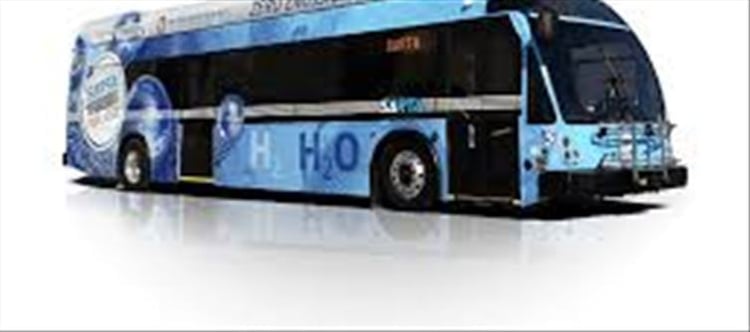


Hydrogen buses are part of the shift toward cleaner public transport. Instead of diesel or petrol, these buses run on hydrogen fuel cells, producing electricity onboard to power the motor.
The technology is being tested and gradually introduced in many countries as a low-emission alternative to fossil-fuel buses.
⚡ What Is a Hydrogen Bus?
A hydrogen bus uses fuel cell technology where:
- Hydrogen gas is stored in high-pressure tanks
- Oxygen is taken from the air
- A chemical reaction produces electricity
- The only byproduct is water vapor
👉 This makes hydrogen buses zero tailpipe emission vehicles.
🔋 How Hydrogen Buses Work (Step-by-Step)
1. Hydrogen Storage
- Hydrogen is stored in strong, pressurized tanks on the bus roof
- It is kept in a safe, sealed environment
2. Fuel Cell Reaction
Inside the fuel cell:
- Hydrogen (H₂) combines with oxygen (O₂)
- This creates electricity, heat, and water
3. Electric Motor Power
- The electricity generated powers an electric motor
- The motor drives the wheels
4. Emission Output
- Only water vapor is released
- No smoke, no CO₂, no harmful gases
🚍 Hydrogen bus vs Conventional diesel Bus
Feature
Hydrogen Bus
Diesel Bus
Fuel
Hydrogen
Diesel
Emissions
Water vapor only
CO₂, smoke, pollutants
Noise
Very low
High engine noise
Efficiency
High (electric motor)
Moderate
Refueling time
10–15 minutes
5–10 minutes
Pollution
Zero tailpipe emissions
High pollution
🌱 Advantages of Hydrogen Buses
✔️ 1. zero Pollution
They do not release harmful gases like CO₂ or NOx.
✔️ 2. Fast Refueling
Unlike electric buses, hydrogen buses can be refueled quickly.
✔️ 3. Long Driving Range
They can travel longer distances compared to battery electric buses.
✔️ 4. Quiet Operation
Very low noise compared to diesel engines.
⚠️ Challenges of Hydrogen Buses
❌ 1. High Cost
Hydrogen production and storage are expensive.
❌ 2. Infrastructure Issues
Few hydrogen refueling stations exist.
❌ 3. Hydrogen Production Impact
If hydrogen is not “green,” it may still involve fossil fuels.
❌ 4. Safety Concerns
Hydrogen is highly flammable and needs strict handling safety systems.
🔬 Types of Hydrogen Used
🟢 Green Hydrogen
- Produced using renewable energy (solar/wind)
- Most eco-friendly option
🟡 Blue Hydrogen
- Produced from natural gas with carbon capture
🔴 Grey Hydrogen
- Produced from fossil fuels (least eco-friendly)
🌍 Where Hydrogen Buses Are Used
Hydrogen buses are already in trial or operation in:
- Europe
- China
- Japan
- South Korea
- Select pilot projects in India
India is also testing hydrogen mobility under clean energy initiatives.
📌 Final Takeaway
Hydrogen buses work by converting hydrogen into electricity using fuel cells, powering an electric motor and emitting only water. Compared to diesel buses, they are cleaner, quieter, and more efficient—but still face challenges like cost and infrastructure.
👉 In simple terms: Hydrogen buses are electric buses that generate their own electricity onboard using hydrogen.
Disclaimer:
The views and opinions expressed in this article are those of the author and do not necessarily reflect the official policy or position of any agency, organization, employer, or company. All information provided is for general informational purposes only. While every effort has been made to ensure accuracy, we make no representations or warranties of any kind, express or implied, about the completeness, reliability, or suitability of the information contained herein. Readers are advised to verify facts and seek professional advice where necessary. Any reliance placed on such information is strictly at the reader’s own risk.
 click and follow Indiaherald WhatsApp channel