


Introduction
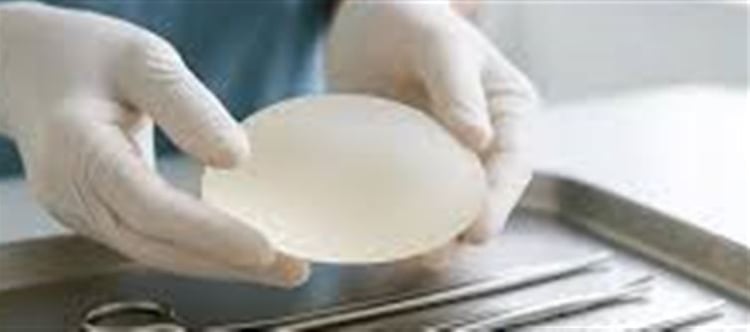
Breast implants are a popular cosmetic and reconstructive procedure. However, some individuals eventually choose to have their implants removed due to personal preference, health concerns, or complications. Breast implant removal, also called explant surgery, is generally safe when performed by a qualified surgeon, but it comes with its own set of considerations and potential risks. Understanding these realities can help anyone make an informed decision.
Why Do people Choose Breast Implant Removal?
Health Concerns
Some women experience breast implant illness (BII)—symptoms like fatigue, joint pain, brain fog, or autoimmune-like reactions—which they attribute to their implants.
Complications from Implants
Capsular contracture (hardening around the implant), rupture, leakage, or chronic pain may necessitate removal.
Lifestyle Changes
Aging, body changes, or personal preference may lead some to desire a more natural breast shape.
Cost and Maintenance
Implants may require replacement after 10–15 years. Some opt for removal instead of replacement to avoid long-term maintenance.
How Safe is Breast Implant Removal?
Breast implant removal is generally safe when performed by a board-certified plastic surgeon, especially if the patient is healthy and the surgery is planned carefully. Key safety points:
Anesthesia: Usually performed under general anesthesia.
Recovery Time: Recovery typically takes 1–2 weeks for daily activities, though complete healing may take several months.
Surgical Approach: The surgeon may remove just the implant or the implant along with the surrounding scar tissue (capsulectomy).
Types of Breast Implant Removal Procedures
Simple Explantation
Only the implant is removed, leaving the surrounding tissue intact.
Total Capsulectomy
The implant and the fibrous capsule around it are removed. Often recommended for ruptured implants or BII symptoms.
Breast Lift (Mastopexy) with Removal
Sometimes implants are removed and the breasts are lifted to restore shape and firmness.
Potential Risks and Complications
Even though removal is generally safe, potential risks include:
Bleeding and Hematoma
Blood may collect in the surgical area, sometimes requiring drainage.
Infection
Rare but possible; antibiotics are usually prescribed to prevent infection.
Changes in Breast Shape or Sagging
Removal may leave the breasts looking deflated, asymmetrical, or saggy, often requiring a lift for optimal cosmetic results.
Scarring
Incisions leave scars, which may fade over time but are permanent.
Nerve Damage
Temporary numbness or changes in nipple sensation can occur.
Anesthesia Risks
Rare but include allergic reactions or complications, as with any surgery.
Emotional Impact
Some women experience emotional changes after removal, especially if implants were part of their identity for years.
Recovery and Aftercare
Immediate Post-Op: Swelling, bruising, and discomfort are common. Pain is usually managed with medication.
Activity Restrictions: Avoid heavy lifting or vigorous exercise for 4–6 weeks.
Follow-Up Care: Regular check-ups to monitor healing, especially if a total capsulectomy was done.
Support Garments: Wearing a supportive bra helps minimize swelling and maintain breast shape.
Final Thoughts
Breast implant removal is a safe and feasible procedure for most healthy individuals, but it’s not entirely risk-free. Key takeaways:
Choosing a board-certified, experienced plastic surgeon is crucial.
Understanding the type of removal and expected cosmetic outcome helps set realistic expectations.
Be aware of risks like sagging, scarring, and changes in sensation, and consider possible breast lift procedures for aesthetic improvement.
Overall, breast implant removal can improve comfort, health, and peace of mind for those experiencing complications or desiring a change—but informed decision-making is essential.
Disclaimer:
The views and opinions expressed in this article are those of the author and do not necessarily reflect the official policy or position of any agency, organization, employer, or company. All information provided is for general informational purposes only. While every effort has been made to ensure accuracy, we make no representations or warranties of any kind, express or implied, about the completeness, reliability, or suitability of the information contained herein. Readers are advised to verify facts and seek professional advice where necessary. Any reliance placed on such information is strictly at the reader’s own risk.
 click and follow Indiaherald WhatsApp channel