


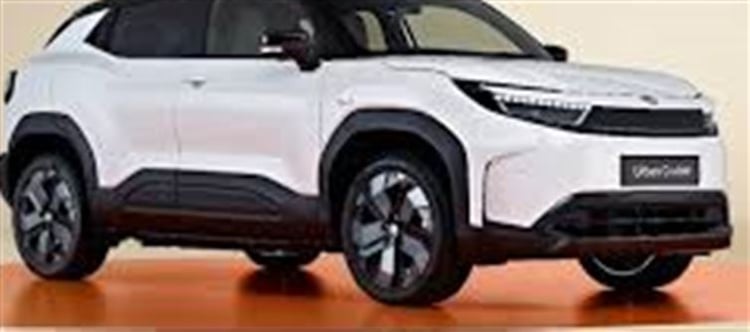

Toyota is all set to make a major move in India’s electric vehicle (EV) market with the launch of its first all‑electric SUV — the toyota Urban Cruiser EV. This arrival marks a key milestone for the Japanese automaker as it enters the country’s fast‑growing EV segment, competing with other upcoming electric SUVs from established and new brands.
🗓 Launch Date: january 19, 2026
Toyota has officially confirmed that the Urban Cruiser EV will be launched in india on 📅 January 19, 2026 — making it one of the most anticipated EV debuts of the year.
There have been a few early teasers suggesting the event might even span into the surrounding dates (January 19–20), but january 19 is widely cited as the key announcement and rollout date.
🚙 What Is the toyota Urban Cruiser EV?
The Urban Cruiser EV is Toyota’s first battery‑electric SUV for the indian market, and it’s based on the Maruti Suzuki e‑Vitara EV platform — a collaboration between Suzuki and Toyota.
In other words, while it wears the Toyota badge, this EV shares its core architecture and technologies with Maruti’s upcoming e‑Vitara, tailored to suit indian tastes and Toyota’s design language.
⚡ Expected Features & Tech
Although toyota has yet to release full official specs, several key features and specifications are expected based on available reports and previews:
🔋 Battery & Powertrain
- Likely to offer two battery options: around 49 kWh and 61 kWh.
- Smaller pack delivers around 144 PS, while the larger pack may produce about 174 PS.
- Estimated driving range likely over 500 km on a single charge with the bigger battery.
- Powertrain is front‑wheel drive (FWD).
🧰 Interior & Comfort
- Large touchscreen infotainment (likely ~10.25 inches)
- Digital driver display
- Wireless phone charging
- Automatic climate control and multifunction steering
- Heated and ventilated seats in higher trims
🛡 Safety & Assistance
- Advanced safety features may be included such as:
- Multiple airbags
- Level‑2 ADAS
- 360° camera
- Electronic stability control
- Tire‑pressure monitoring system (TPMS)
📍 Where It Fits in the Market
The Urban Cruiser EV will enter the mid‑size electric SUV segment, which is quickly becoming one of the most competitive spaces in India’s EV landscape.
Key rivals include:
- Hyundai Creta Electric
- Mahindra BE6
- MG ZS EV
- Maruti Suzuki e‑Vitara (closely related model)
Its combination of brand credibility, toyota reliability, strong features, and expected competitive pricing makes it a serious contender among EV buyers.
💸 Expected Pricing
While toyota has not confirmed prices yet, industry estimates suggest an ex‑showroom range in the ₹20 lakh to ₹26 lakh bracket, depending on battery size and feature level.
This positioning aims to make it attractive to buyers looking for premium features, great range, and Toyota’s trusted brand value.
🚗 Why This Launch Matters
- Toyota’s First EV for India: This is the company’s formal entry into India’s EV space with a dedicated electric vehicle.
- EV Market Growth: The indian EV market is rapidly expanding, with passenger EV adoption increasing — toyota aims to be a significant part of that growth.
- Segment Competition: With multiple EV launches around early 2026, the Urban Cruiser EV will help define the next phase of electric mobility in India.
In Summary
Toyota’s Urban Cruiser EV is set to launch in india on January 19, 2026, and represents the brand’s first all‑electric SUV offering in the country. Built on a platform shared with the maruti Suzuki e‑Vitara EV, it promises competitive range, modern features, and Toyota‑style reliability — poised to take on major rivals in the rapidly growing electric SUV market.
Disclaimer:
The views and opinions expressed in this article are those of the author and do not necessarily reflect the official policy or position of any agency, organization, employer, or company. All information provided is for general informational purposes only. While every effort has been made to ensure accuracy, we make no representations or warranties of any kind, express or implied, about the completeness, reliability, or suitability of the information contained herein. Readers are advised to verify facts and seek professional advice where necessary. Any reliance placed on such information is strictly at the reader’s own risk.
 click and follow Indiaherald WhatsApp channel