


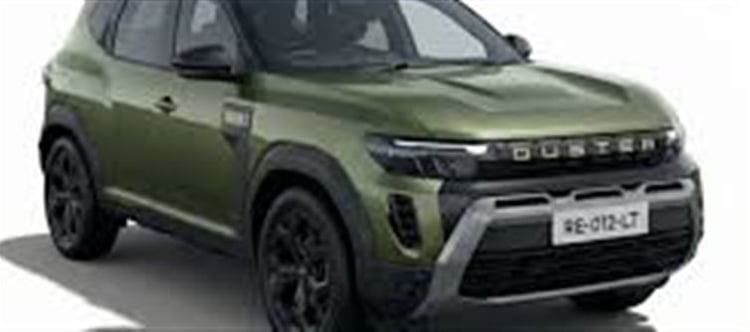

📏 Dimensions — Size & Space
The 2026 Renault Duster is larger than the hyundai Creta in most key measurements, giving it a more rugged, SUV‑oriented profile with more interior room and luggage space:
Specification
2026 Renault Duster
Hyundai Creta
Length
4,346 mm
4,330 mm
Width
1,815 mm
1,790 mm
Height
1,703 mm
1,635 mm
Wheelbase
2,657 mm
2,610 mm
Boot Space
518 litres
433 litres
✅ Key takeaway: The Duster is longer, wider, and taller, and has a larger wheelbase and about 85 L more boot space than the Creta, which may translate to better interior roominess and cargo capacity.
🔋 Engines & Powertrain Options
Renault Duster (2026)
Renault has shifted to petrol and hybrid powertrains for the all‑new Duster, dropping the diesel option previously offered:
Available/Future Engine Options:
- 1.0‑litre turbo‑petrol — ~98‑100 PS and 160 Nm; 6‑speed manual
- 1.3‑litre turbo‑petrol (TCe 160) — ~163 PS and 280 Nm; 6‑speed manual or 6‑speed DCT
- 1.8‑litre strong hybrid (E‑Tech 160) — Combines petrol engine with electric motor and battery for improved efficiency (availability later in 2026)
Transmissions: 6‑speed manual, 6‑speed dual‑clutch automatic (DCT), and 8‑step dedicated hybrid transmission for the hybrid.
Hyundai Creta (2026)
The Creta continues with a broader mix of conventional petrol and diesel powertrains:
- 1.5‑litre naturally aspirated petrol — ~113‑115 PS and ~144 Nm; 6‑speed MT / CVT
- 1.5‑litre turbo‑petrol — ~158‑160 PS and ~253 Nm; 7‑speed DCT
- 1.5‑litre diesel — ~114‑116 PS and ~250 Nm; MT / AT
- Option of mild‑hybrid or strong hybrid is expected on newer models as part of Hyundai’s evolving lineup (market reports suggest hybrid tech may arrive in 2026/27).
Drivetrain: Front‑wheel drive across the range.
💰 Pricing Expectations
Official indian prices for the 2026 Renault Duster were announced in march 2026, but analysts and early reports suggest a competitive pricing strategy aimed at rivaling the Creta:
Model (Expected)
Price (Ex‑Showroom)
Renault Duster (base)
~₹10.0 lakh – ₹11.0 lakh
Renault Duster (mid‑range)
~₹13.9 lakh – ₹15.9 lakh
Duster Hybrid (top)
~₹19.0 lakh – ₹22.0 lakh
Hyundai Creta
~₹13.49 lakh – ₹15.30 lakh (typical range)
💡 Note: These are expected estimates and may vary slightly with actual official pricing. The Duster’s hybrid top trims are expected to cost notably more due to advanced technology and battery components.
🔍 Summary — Which Suits You?
🚙 Renault Duster
Strengths
- Bigger dimensions and more cargo room.
- Powerful turbo‑petrol engine with strong torque.
- Hybrid powertrain for fuel‑efficiency (later in 2026).
- Rugged SUV character with modern tech and safety features like ADAS.
Considerations
- Diesel engine is not available, which some buyers still prefer for high torque and highway cruising.
🚗 Hyundai Creta
Strengths
- Wider range of engine choices including diesel.
- Proven reliability and extensive service network.
- More urban‑oriented features and newer infotainment/comfort tech.
Considerations
- Slightly smaller in size compared to the new Duster.
- Hybrid versions are expected later, not widely available at launch.
🏁 Final Verdict
Both SUVs have strong reasons to attract buyers:
- 🚙 Duster is ideal if you want rugged SUV presence, spacious interior and boot space, plus torque‑rich engines and future hybrid efficiency.
- 🚗 Creta remains a well‑rounded all‑rounder with wider engine choices, proven reliability, and strong brand appeal in the segment.
Disclaimer:
The views and opinions expressed in this article are those of the author and do not necessarily reflect the official policy or position of any agency, organization, employer, or company. All information provided is for general informational purposes only. While every effort has been made to ensure accuracy, we make no representations or warranties of any kind, express or implied, about the completeness, reliability, or suitability of the information contained herein. Readers are advised to verify facts and seek professional advice where necessary. Any reliance placed on such information is strictly at the reader’s own risk.
 click and follow Indiaherald WhatsApp channel