


Introduction
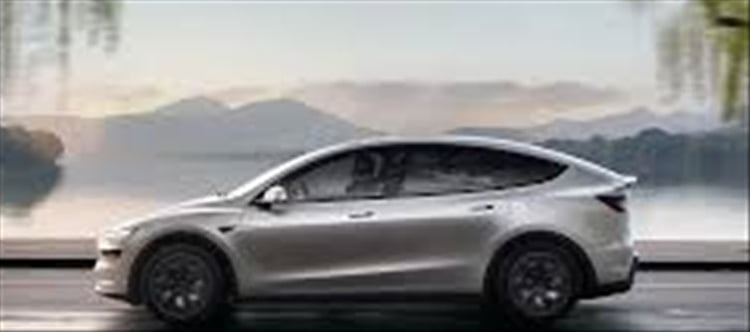
Tesla has officially introduced the long-wheelbase version of its popular Model Y SUV, the Model Y L, in India. The launch comes at a time when the company is simultaneously accelerating the rollout of its Advanced driver Assistance Systems (ADAS) in the united states and other global markets. The move reflects Tesla’s broader strategy to strengthen its presence in emerging EV markets while continuing innovation in autonomous driving technology.
Tesla Expands Its Footprint in India
India has emerged as one of the fastest-growing electric vehicle markets in the world. By launching the long-wheelbase Model Y L, tesla aims to cater to indian consumers seeking premium electric SUVs with enhanced cabin space, comfort, and advanced technology.
The Model Y L is expected to appeal especially to:
- Large urban families
- Luxury SUV buyers
- Corporate executives
- Environment-conscious consumers
The extended wheelbase provides improved rear-seat comfort and additional legroom, making it more suitable for indian road travel and chauffeur-driven usage.
Key Features of the Model Y L
Spacious Interior Design
The long-wheelbase version offers:
- Increased rear passenger legroom
- Larger cargo capacity
- Premium interior finishes
- Panoramic glass roof
Tesla has focused heavily on comfort and practicality while maintaining the minimalist cabin design that defines the Model Y lineup.
Advanced Electric Performance
The Model Y L continues Tesla’s reputation for high-performance EVs with:
- Long driving range on a single charge
- Fast acceleration
- Dual-motor all-wheel drive options
- Fast-charging compatibility
These features position the SUV as a strong competitor in India’s growing premium EV segment.
ADAS technology Gains Momentum in the U.S.
While entering india with the Model Y L, tesla is also pushing forward with its Advanced driver Assistance Systems in the United States. The company continues to refine features such as:
- Autopilot
- Lane centering
- Adaptive cruise control
- Automated parking assistance
Tesla’s ADAS technology remains central to its vision of fully autonomous mobility. The simultaneous focus on global vehicle expansion and software innovation highlights the company’s dual-growth strategy.
Challenges tesla May Face in India
Despite strong interest in electric mobility, tesla could encounter several hurdles in the indian market:
Charging Infrastructure
India’s EV charging network is still developing, particularly outside major cities.
Pricing Concerns
Premium EV pricing may limit adoption among middle-income consumers.
Import Duties and Regulations
Government policies and import taxes could affect vehicle affordability and Tesla’s long-term manufacturing plans in India.
Competition in the indian EV Market
Tesla will face competition from both domestic and international automakers, including:
- Tata Motors
- Mahindra & Mahindra
- BYD
- Hyundai
However, Tesla’s strong brand image, software ecosystem, and technological leadership could give it a competitive advantage.
Future Outlook
The launch of the Model Y L signals Tesla’s serious intent to establish itself in India’s premium EV space. If the company successfully adapts to local market conditions and expands its charging infrastructure, india could become a major growth market for tesla in the coming years.
At the same time, Tesla’s continued investment in ADAS technology demonstrates its commitment to shaping the future of intelligent transportation globally.
Conclusion
Tesla’s introduction of the long-wheelbase Model Y L in india marks a significant milestone for the country’s electric vehicle industry. Combining luxury, space, and advanced technology, the SUV is positioned to attract premium buyers looking for sustainable mobility solutions. Alongside its ongoing ADAS developments in the united states, tesla continues to reinforce its image as a global leader in electric and autonomous vehicle innovation.
Disclaimer:
The views and opinions expressed in this article are those of the author and do not necessarily reflect the official policy or position of any agency, organization, employer, or company. All information provided is for general informational purposes only. While every effort has been made to ensure accuracy, we make no representations or warranties of any kind, express or implied, about the completeness, reliability, or suitability of the information contained herein. Readers are advised to verify facts and seek professional advice where necessary. Any reliance placed on such information is strictly at the reader’s own risk.
 click and follow Indiaherald WhatsApp channel