
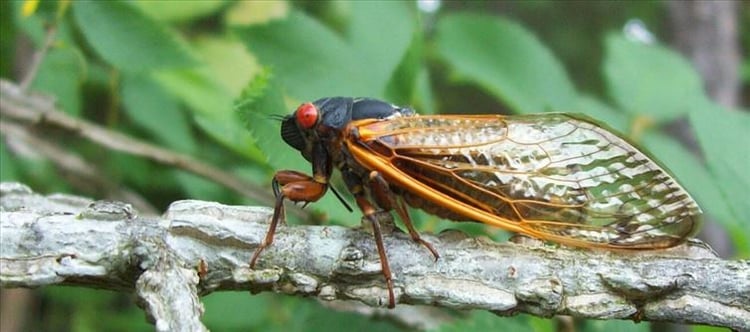


In the movie "Bandobastu" starring Surya, insects are used to destroy crops in India, attacking them in groups to devastate the harvest. Now, a similar problem is about to unfold in the united states with the emergence of Cicadas. These insects are causing concern in America due to their unique characteristics and potential impact on agriculture.
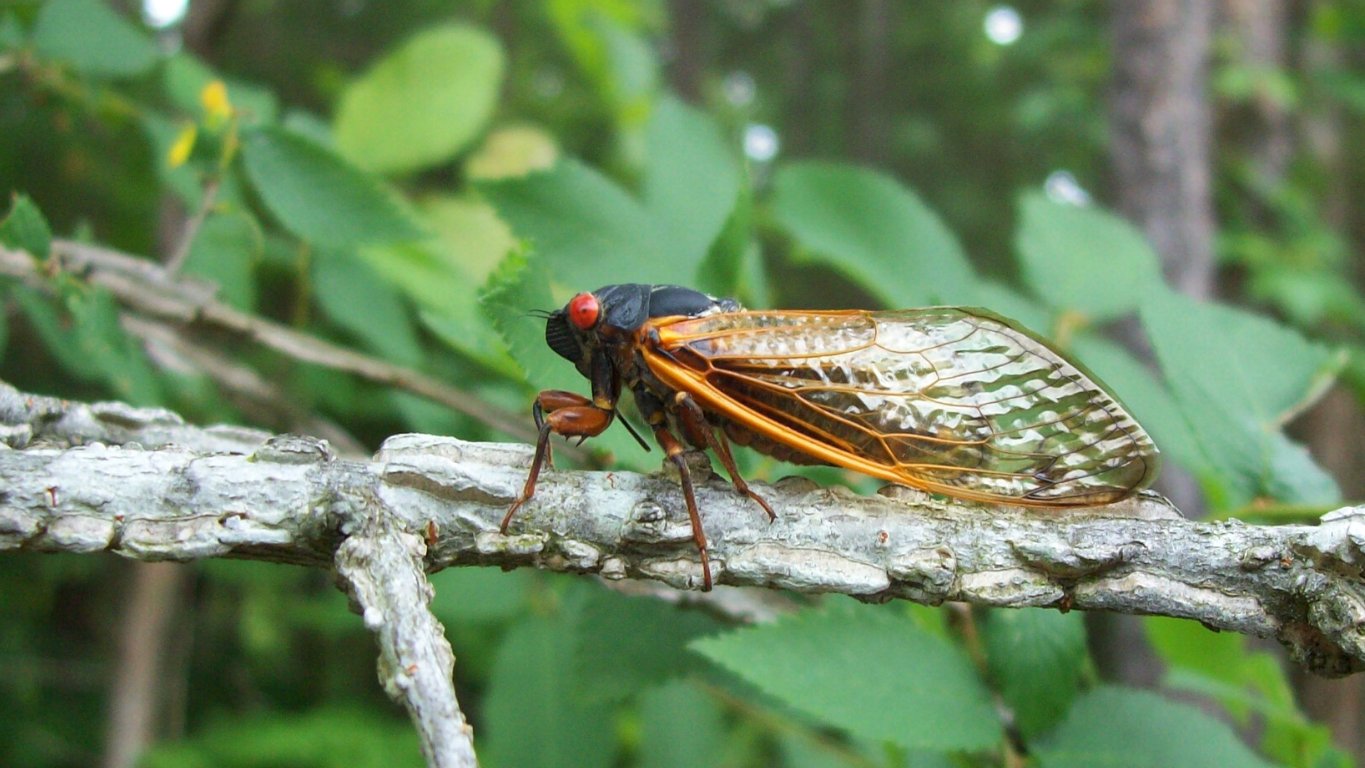
Cicadas belong to the superfamily of insects and are typically leaf-eaters, resembling grasshoppers. While they are not harmful to humans, they can cause significant damage to crops by feeding on leaves and sap. There are two groups of cicadas known as Cicada Brood-19 and Cicada Brood-13, and they have distinct emergence cycles.
Normally, Brood-19 emerges every 13 years, while Brood-13 emerges every 17 years. However, this year, both groups are expected to emerge simultaneously, a rare occurrence that may not happen again for about 221 years. The cicadas will travel through approximately 18 states, affecting around 15 states in total.
Cicada Brood-19 was last observed in 2011, with activity typically occurring from mid-May to late June. Cicada Brood-13 last emerged in 2007, with their appearance every 17 years affecting states like Iowa, Wisconsin, Illinois, Indiana, and Michigan this season.
The emergence of cicadas is part of their life cycle. They feed on tree roots in the ground and remain dormant until they reach the young stage, at which point they emerge from the ground. Millions of male and female cicadas travel together, producing distinct sounds, mating, and laying eggs in tree bark before completing their life cycle.
The impact of this synchronized emergence of cicadas on agriculture and the environment is a subject of concern, making it a noteworthy event in the united states this year.
 click and follow Indiaherald WhatsApp channel