


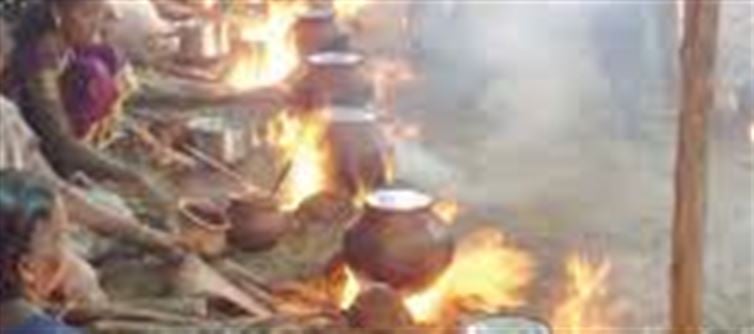

Pongal is one of the most important harvest festivals of tamil Nadu. Traditionally, it was celebrated as a thanksgiving to nature, farmers, cattle, and the hard work of rural communities. Fifty years ago, pongal was deeply rooted in agriculture and labor. Farmers celebrated the success of their harvest after months of physical toil. The festival honored the sun, rain, soil, and animals—especially cattle, which played a vital role in farming. Mattu pongal symbolized respect for animals, and celebrations were simple, meaningful, and community-centered.
During those times, pongal was less about display and more about gratitude. Villages came together, sharing freshly harvested rice, sugarcane, and homemade sweets. Traditional games, folk songs, and kolams reflected cultural values. The festival reinforced the dignity of labor and the close bond between humans and nature.
Over the past five decades, pongal has undergone significant changes due to urbanization, technological growth, and lifestyle shifts. Today, fewer people are directly involved in agriculture. For many urban families, pongal has become more symbolic than experiential. Ready-made sweets, commercial decorations, and social media celebrations have replaced many traditional practices. The focus has shifted from honoring labor to enjoying a holiday and cultural identity.
Modern pongal celebrations often emphasize entertainment, tourism, and fashion. While traditions like boiling pongal and drawing kolams still exist, they are sometimes performed as rituals rather than expressions of lived agricultural experience. However, recent years have also seen renewed efforts to revive traditional values, promote organic farming, and recognize farmers’ contributions.
In conclusion, while the spirit of pongal has evolved over the last 50 years, its core message of gratitude and harmony with nature remains relevant. Reviving the original essence of celebrating labor can help preserve the true meaning of this timeless festival.
Disclaimer:
The views and opinions expressed in this article are those of the author and do not necessarily reflect the official policy or position of any agency, organization, employer, or company. All information provided is for general informational purposes only. While every effort has been made to ensure accuracy, we make no representations or warranties of any kind, express or implied, about the completeness, reliability, or suitability of the information contained herein. Readers are advised to verify facts and seek professional advice where necessary. Any reliance placed on such information is strictly at the reader’s own risk.
 click and follow Indiaherald WhatsApp channel