


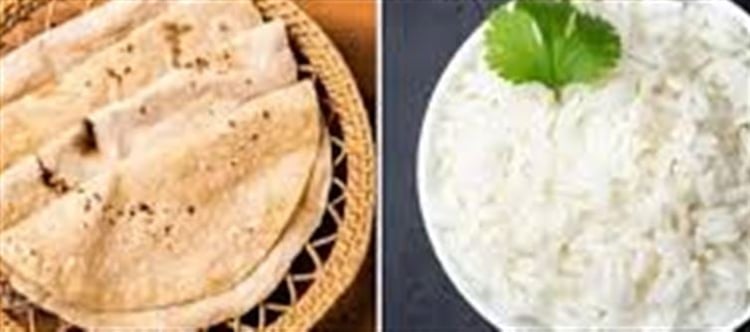

Choosing the right dinner option is essential for maintaining balanced nutrition, healthy digestion, and optimal energy levels. In many households, roti (Indian flatbread) and rice are staple components of dinner. While both are carbohydrate-rich, they differ in their nutritional profiles, digestion rates, and impact on overall health. Understanding these differences can help you make an informed choice for a healthier dinner.
1. Nutritional Profile Comparison
Nutrient
Roti (Whole Wheat)
Rice (White/Polished)
Calories (per 100g)
~250 kcal
~130 kcal
Carbohydrates
45–50 g
28 g
Protein
8–10 g
2–3 g
Fiber
6–7 g
<1 g
Vitamins & Minerals
B-complex, iron, magnesium
Minimal (lost during polishing)
Glycemic Index
50–60 (low to moderate)
70+ (high)
Key Takeaway: Whole wheat roti is higher in fiber and protein while rice is lighter but may cause blood sugar spikes if consumed in large quantities.
2. Impact on Digestion and Satiety
Roti:
· High fiber content slows digestion, helping you feel full longer.
· aids in healthy bowel movements and prevents constipation.
· Gentle on blood sugar, reducing late-night energy crashes.
Rice:
· White rice is quickly digested, which can be beneficial for those with digestive sensitivities.
· Low fiber content may not keep you full as long, potentially leading to late-night snacking.
· Brown rice is a healthier alternative due to higher fiber and nutrients.
Tip: Roti is generally more filling and suitable for dinner, especially if your goal is weight management or stable blood sugar levels.
3. Effects on Weight and Metabolism
· Roti: Slower digestion and sustained energy release can help with weight control and prevent overeating.
· White Rice: Rapid digestion may cause a spike in insulin, which can lead to fat storage if consumed in excess.
· Brown Rice: Offers a compromise—nutrient-rich and lower glycemic index compared to white rice.
Tip: Portion control is crucial. Combining roti or rice with protein and vegetables enhances satiety and balances calories.
4. Blood sugar Considerations
· Diabetic or pre-diabetic individuals benefit more from roti, as it causes less rapid blood sugar rise.
· White rice can elevate blood sugar quickly; brown rice or a small portion is a better choice.
· Pairing rice with lentils or vegetables can reduce its glycemic impact.
5. Cultural and lifestyle Factors
· Roti: More common in North and West indian diets, suitable for home-cooked meals and easy to digest.
· Rice: Staple in South and east indian diets, light on the stomach, and easy to pair with curries and soups.
· Activity Level: Those with high evening physical activity may tolerate rice better due to quicker energy release.
6. Tips for a Healthier Dinner Choice
1. Choose Whole Grains: Opt for whole wheat roti or brown rice instead of refined options.
2. Balance Macronutrients: Pair carbs with protein (dal, paneer, eggs, chicken) and fiber-rich vegetables.
3. Mind Portion Sizes: 2–3 small rotis or ½–1 cup cooked rice is ideal for dinner.
4. Avoid Late Night Heavy Meals: Digestion slows at night; lighter portions are better.
5. Cook Mindfully: Use minimal oil/ghee in rotis and avoid overcooking rice to preserve nutrients.
7. Conclusion: Roti vs. Rice
Both roti and rice can be part of a healthy dinner, but their suitability depends on nutritional needs, digestion, and lifestyle:
· Choose Roti: If you want longer satiety, higher fiber intake, and stable blood sugar levels.
· Choose Rice: If you prefer lighter, easily digestible meals or follow South/East indian culinary traditions.
· Best of Both Worlds: Mix small portions of roti and brown rice, paired with vegetables and protein, for a balanced and nutritious dinner.
Bottom Line: For most adults aiming for weight control, stable energy, and overall health, roti is generally the better dinner choice, but personal preferences, activity levels, and portion sizes matter most.
Disclaimer:
The views and opinions expressed in this article are those of the author and do not necessarily reflect the official policy or position of any agency, organization, employer, or company. All information provided is for general informational purposes only. While every effort has been made to ensure accuracy, we make no representations or warranties of any kind, express or implied, about the completeness, reliability, or suitability of the information contained herein. Readers are advised to verify facts and seek professional advice where necessary. Any reliance placed on such information is strictly at the reader’s own risk.
 click and follow Indiaherald WhatsApp channel