



When Diplomacy Sounds Like Permission
International diplomacy is usually wrapped in carefully chosen words. Every phrase matters, every sentence is weighed. But sometimes a single line can trigger a wave of outrage — especially when it sounds less like cooperation and more like authority.
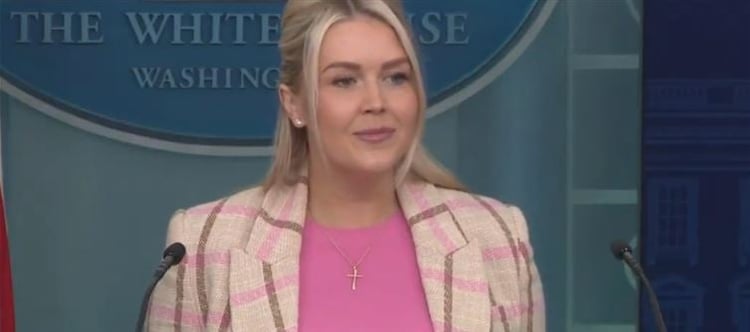
That’s exactly what happened after remarks from Karoline Leavitt, the white house press secretary. While explaining why the united states allowed india to access certain shipments of Russian oil during a global energy disruption, her wording sparked an unexpected backlash.
1. The Statement That Started the Debate
During a press briefing, Leavitt explained that the US government issued a temporary waiver allowing india to receive Russian oil already in transit. According to her, the decision was taken because india had previously acted responsibly by reducing purchases of sanctioned Russian crude.
2. The Phrase That Raised Eyebrows
But one part of the statement stood out. She said the US had “temporarily permitted” india to accept the oil. For many observers, that word — permitted — sounded less like diplomacy and more like a superior granting approval.
3. Why the Reaction Was Strong
india is one of the world’s largest economies and a major geopolitical player. Hearing a foreign official describe energy access as something that needed “permission” struck many people as dismissive of India’s sovereignty and independent decision-making.
4. The Context Behind the Waiver
The US position, however, was tied to sanctions frameworks and emergency energy considerations. Officials argued the waiver was a practical, short-term step meant to stabilize global supply disruptions without significantly benefiting Russia.
5. The Bigger Question
Still, the controversy highlights something deeper than energy policy. It raises a question about how global powers speak to their partners.
Because when allies talk about “allowing” or “permitting” another country to act, it stops sounding like partnership — and starts sounding like hierarchy.
 click and follow Indiaherald WhatsApp channel