



A Diplomatic Reality Check in the World’s Most Dangerous Shipping Lane
The Strait of Hormuz has always been the planet’s most sensitive oil chokepoint. Nearly a fifth of the world’s crude passes through that narrow corridor every day. But the latest developments in the gulf have triggered a political storm — because while some countries appear to be navigating the crisis with quiet diplomacy, Indian oil tankers are reportedly stuck in uncertainty.
And the contrast is raising uncomfortable questions.
1. bangladesh Gets the Green Signal
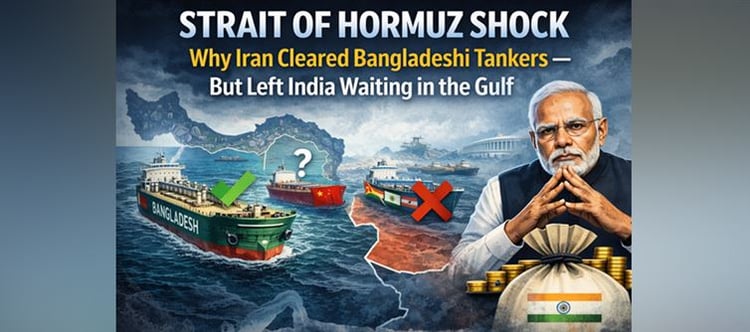
Reports from multiple outlets suggest that Iran granted Bangladeshi oil and LNG tankers safe passage after prior diplomatic communication. According to coverage by TBS News, Moneycontrol, and Anadolu Agency around march 10–11, Iranian authorities allowed these vessels to cross the strait after receiving advance notification.
In a region where tensions can escalate overnight, such coordination can make all the difference.
2. china Finds Ways Around the Crisis
china, meanwhile, appears to be managing the situation through ongoing negotiations and maritime maneuvering. Reports from Reuters and Hong Kong Free Press indicate that Chinese-linked tankers continue moving through the region, sometimes through re-flagging or other shipping arrangements to reduce risk.
In short, beijing is working every channel available to keep its energy supply lines moving.
3. India’s Tankers Face Uncertainty
For India, the picture looks far more complicated. Reports suggest that around 37 indian oil and LPG tankers were left waiting near the Strait of Hormuz amid disruptions, with no confirmed waiver or clearance from Iranian authorities.
At the heart of the issue is Iran’s broader geopolitical messaging. Tehran has repeatedly warned that countries seen as close partners of the united states or israel could face complications in regional shipping routes.
4. The Foreign Policy Debate at Home
These developments have reignited a heated debate inside India. Critics argue that departing from the country’s traditional non-aligned diplomatic posture may now be creating strategic costs, especially in sensitive regions like the Gulf.
Supporters of the current approach, however, say global alliances and security partnerships are necessary in today’s complex geopolitical landscape.
The Bigger Question
The Strait of Hormuz crisis isn’t just about ships waiting in a shipping lane. It’s a reminder that energy security, diplomacy, and global politics are deeply intertwined.
And when the world’s most critical oil route becomes a geopolitical chessboard, every foreign policy decision suddenly carries a price tag.
 click and follow Indiaherald WhatsApp channel