


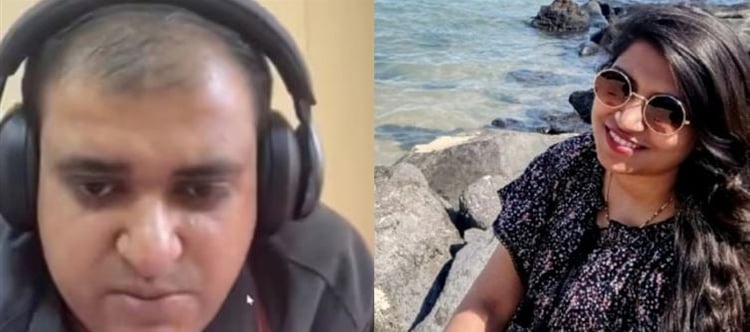
 120 Court Dates. 81-Minute Video. A 24-Page Note. One Devastating Ending — The Story of Atul Subhash
Before he died, Atul Subhash left behind more than just a note. He left a 24-page document and an 81-minute video, carefully detailing everything he said he had endured for years — court battles, legal accusations, travel across states, and a system he believed had failed him.
What he left behind wasn’t just evidence. It was a desperate attempt to make sure his story wouldn’t disappear after he was gone.
1. A Legal Battle That Never Seemed to End
According to his account, the conflict spiraled into nine different legal cases. He spent years moving between courtrooms, attending hearing after hearing, trying to defend himself against multiple accusations filed under laws such as Section 498A, the Dowry Prohibition Act, and the Domestic Violence Act.
Each case meant another date, another hearing, another legal expense.
In total, he reportedly attended around 120 court hearings.
2. The Endless Travel
For Subhash, the fight wasn’t just legal — it was physically exhausting.
He made around 40 trips from Bengaluru to Jaunpur, repeatedly traveling across states to appear in court. Every journey meant time, money, and emotional strain, all while the legal process stretched on without closure.
3. The Pain of Child Custody
Among the most painful parts of his struggle, he claimed, was losing access to his own son.
In his note and video, he alleged that he was denied visitation rights unless he paid ₹3 crore as part of a settlement. The accusation, if true, turned an already painful custody dispute into something far more devastating.
4. Allegations of Corruption
Subhash also made a serious allegation against the system itself. In his final statement, he claimed that a judge demanded ₹5 lakh as a bribe to resolve the case.
These claims remain deeply controversial but have fueled intense public debate about accountability in the justice system.
5. A Final Message
Subhash said he tried everything — documenting events, speaking publicly, and pursuing legal channels.
But in his final words, he wrote something that continues to echo across social media discussions:
“Justice is due.”
For many people following the story, the question now isn’t just about one man’s tragedy.
It’s about whether the system will ever answer that final plea.
 click and follow Indiaherald WhatsApp channel