



On paper, it sounds like a progressive step—free bus travel for women, aimed at empowerment and accessibility. It’s the kind of policy that wins applause instantly. But step into the real world, and the story begins to shift. What looks like a benefit at first glance is now being questioned for the hurdles it quietly places in the path of the very people it claims to support.
1. A Familiar Promise, A Different Experience
Delhi has rolled out a free bus travel scheme for women, similar to what tamil Nadu already offers. The intention is clear—make daily commuting easier and more affordable. But the execution? That’s where the cracks begin to show.
2. The Queue That Tests Patience
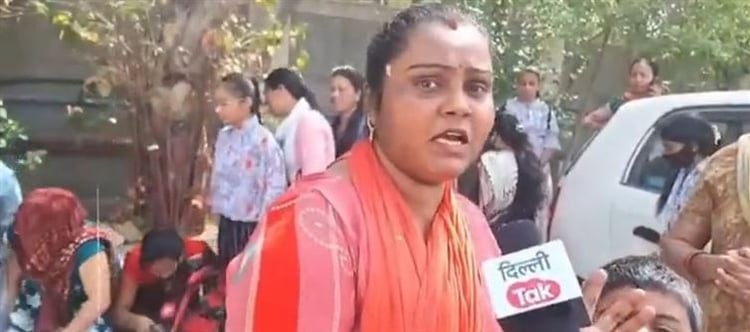
Before even stepping onto a bus for free travel, women are required to get an identity card. Sounds simple—until you see the reality. Long queues, hours of waiting, and a process that feels anything but convenient.
3. Accessibility vs Reality
A scheme designed to improve accessibility shouldn’t start with barriers. Yet, for many, the very first step—getting the card—becomes a challenge, especially for working women who can’t afford to spend hours standing in line.
4. The One-Hour Rule Shocker
Even after clearing the initial hurdle, there’s another catch. Once the card is used, it cannot be used again for the next hour. For daily commuters who rely on multiple short trips, this restriction feels less like a rule and more like a roadblock.
5. Convenience Compromised
Public transport policies are meant to simplify life. But when conditions like time restrictions come into play, the benefit starts to lose its practicality. What’s free in cost may end up being expensive in time and effort.
6. Policy vs Ground Reality
There’s often a gap between announcement and implementation—and this scheme seems to highlight exactly that. The idea wins headlines, but the experience raises questions.
7. The Bigger Question
A welfare scheme should empower, not exhaust. If accessing the benefit itself becomes a struggle, then it’s worth asking: is the system truly serving its purpose, or just creating a new kind of inconvenience?
 click and follow Indiaherald WhatsApp channel