




Every once in a while, science drops a discovery that feels almost too strange to be real. A dinosaur named after a cartoon character? Sounds ridiculous—until you realize it’s also a serious, game-changing find. Hidden for over 100 million years, this tiny fossil is now forcing paleontologists to take a fresh look at prehistoric life in Asia.
🦕 1. A Discovery Decades in the Making
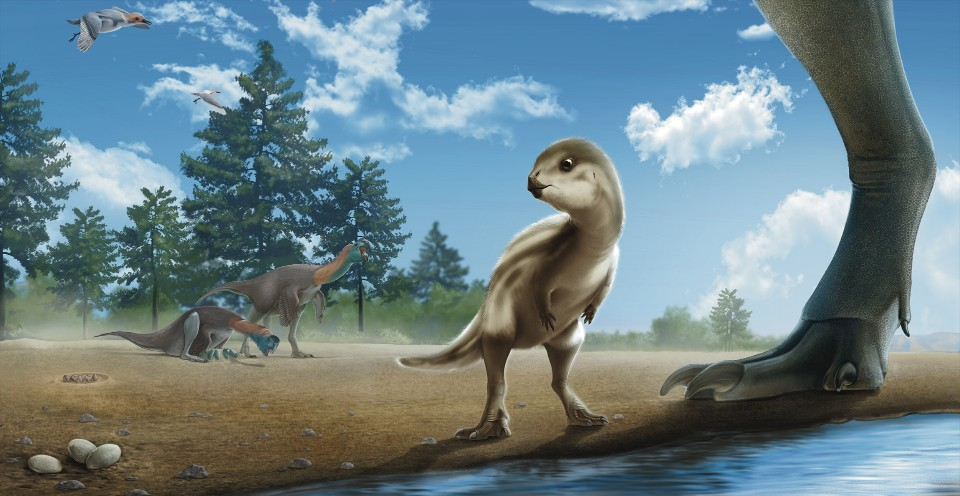
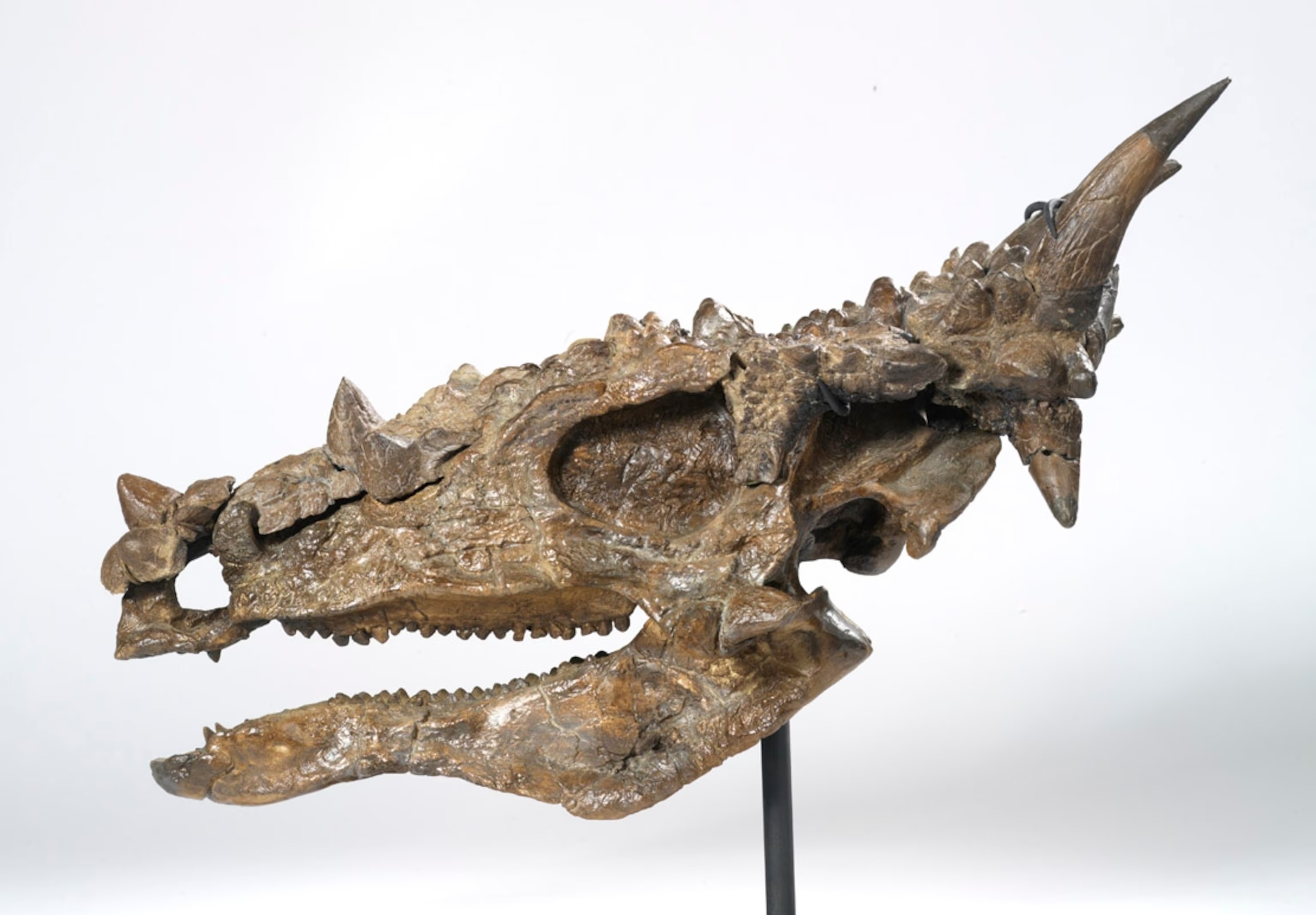
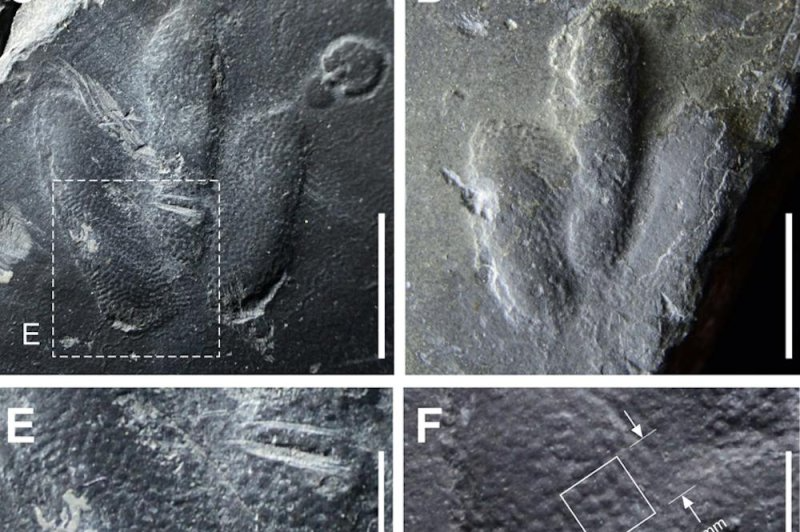
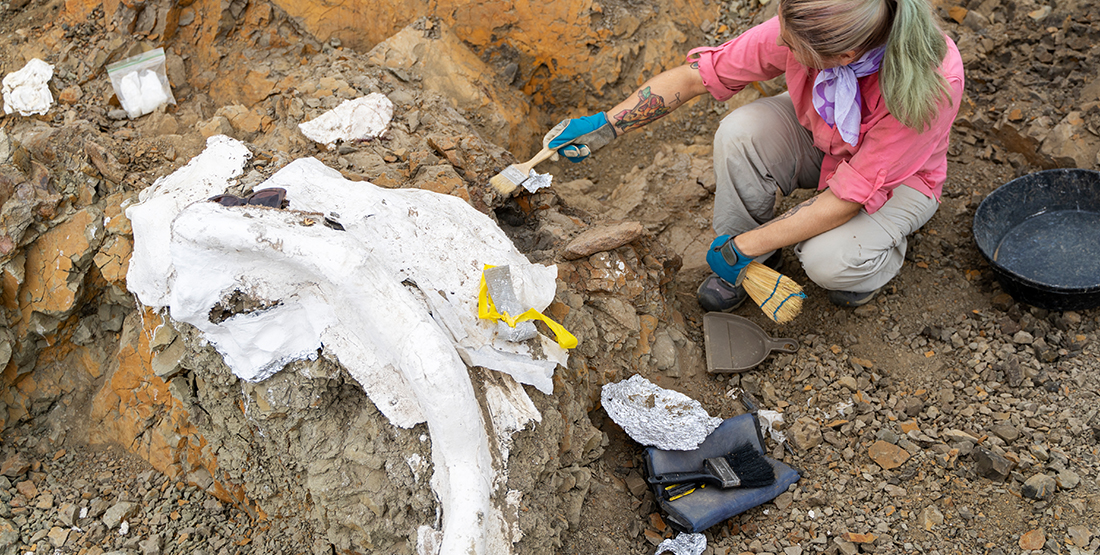
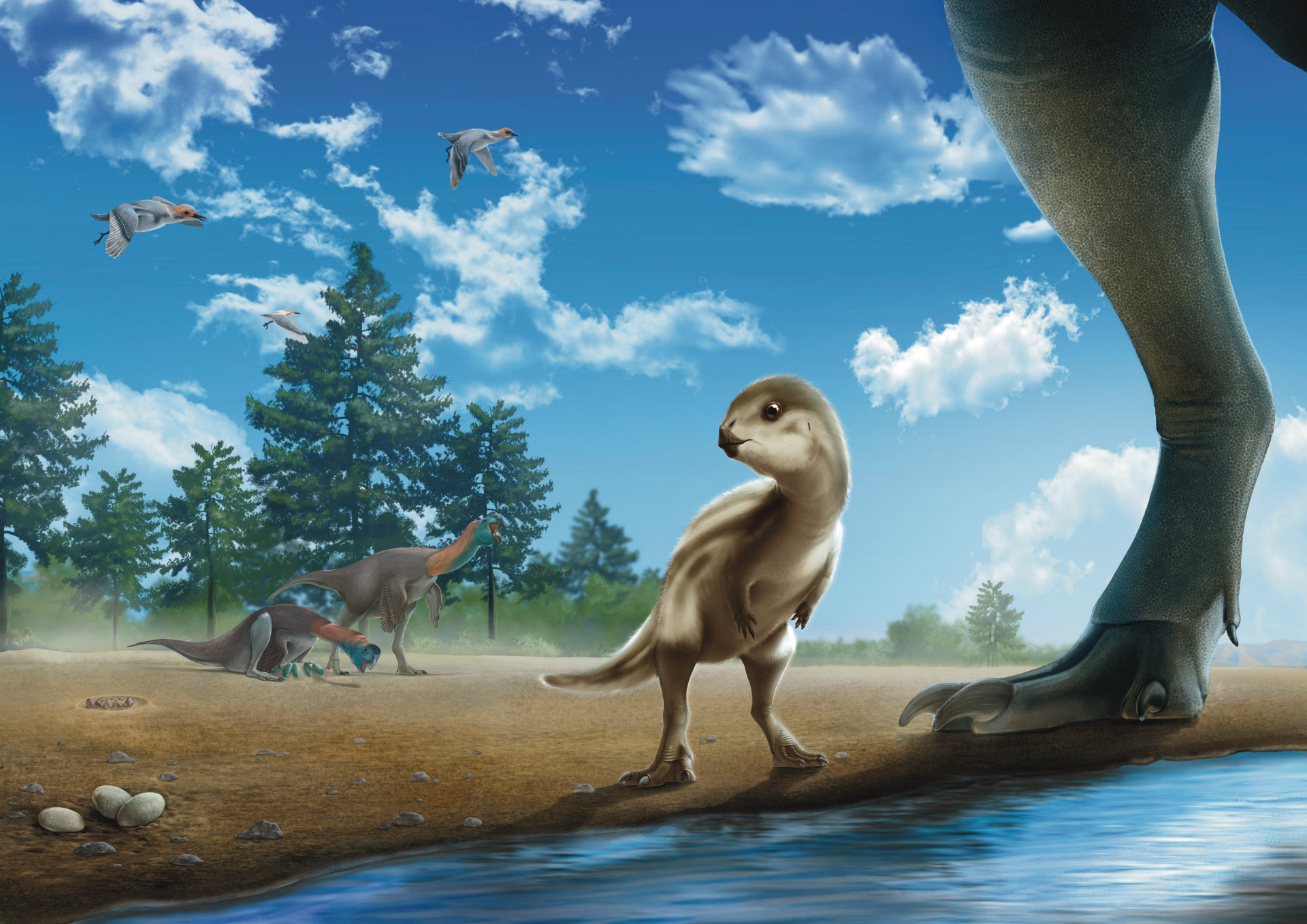
On Aphae Island in south korea, researchers uncovered something rare: fossilized skull fragments of a juvenile dinosaur. Not just any bones—these were detailed enough to identify an entirely new species.
🦕 2. Meet Doolysaurus huhmini
The name is as unusual as the discovery. “Doolysaurus” comes from Dooly, a beloved Korean cartoon character, while “huhmini” honors scientist Min Huh. It’s a rare blend of pop culture and scientific legacy.
🦕 3. A Snapshot From the Mid-Cretaceous
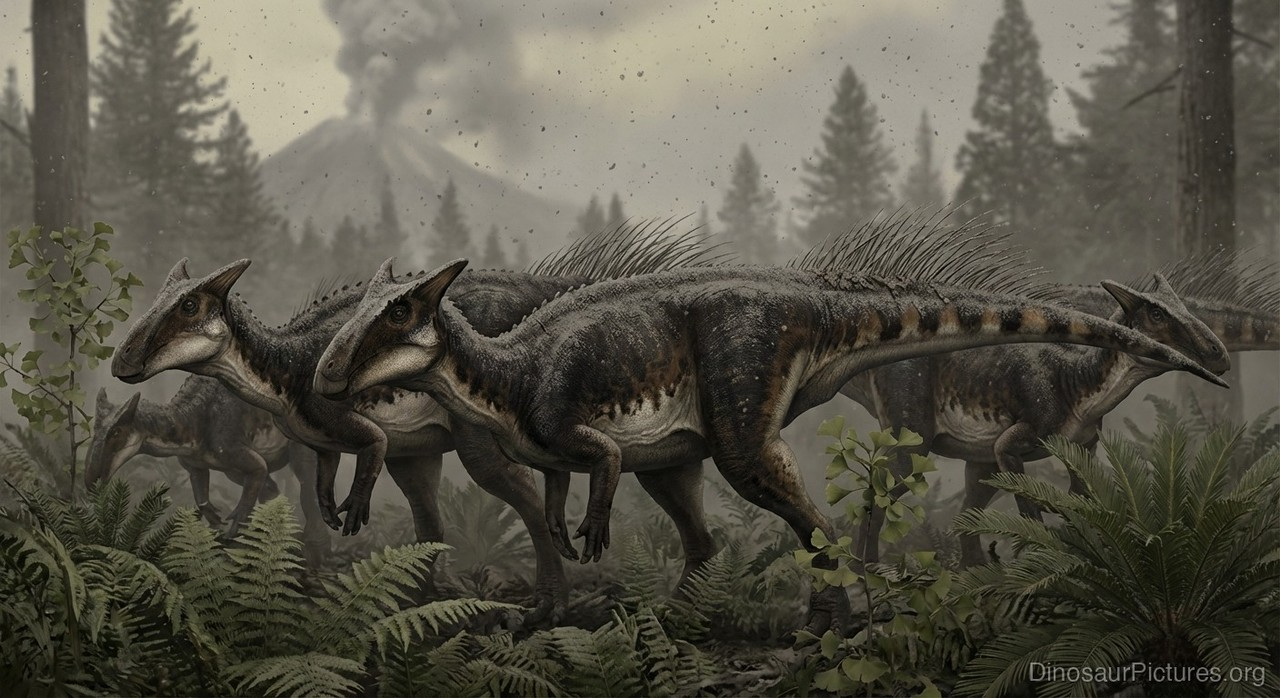
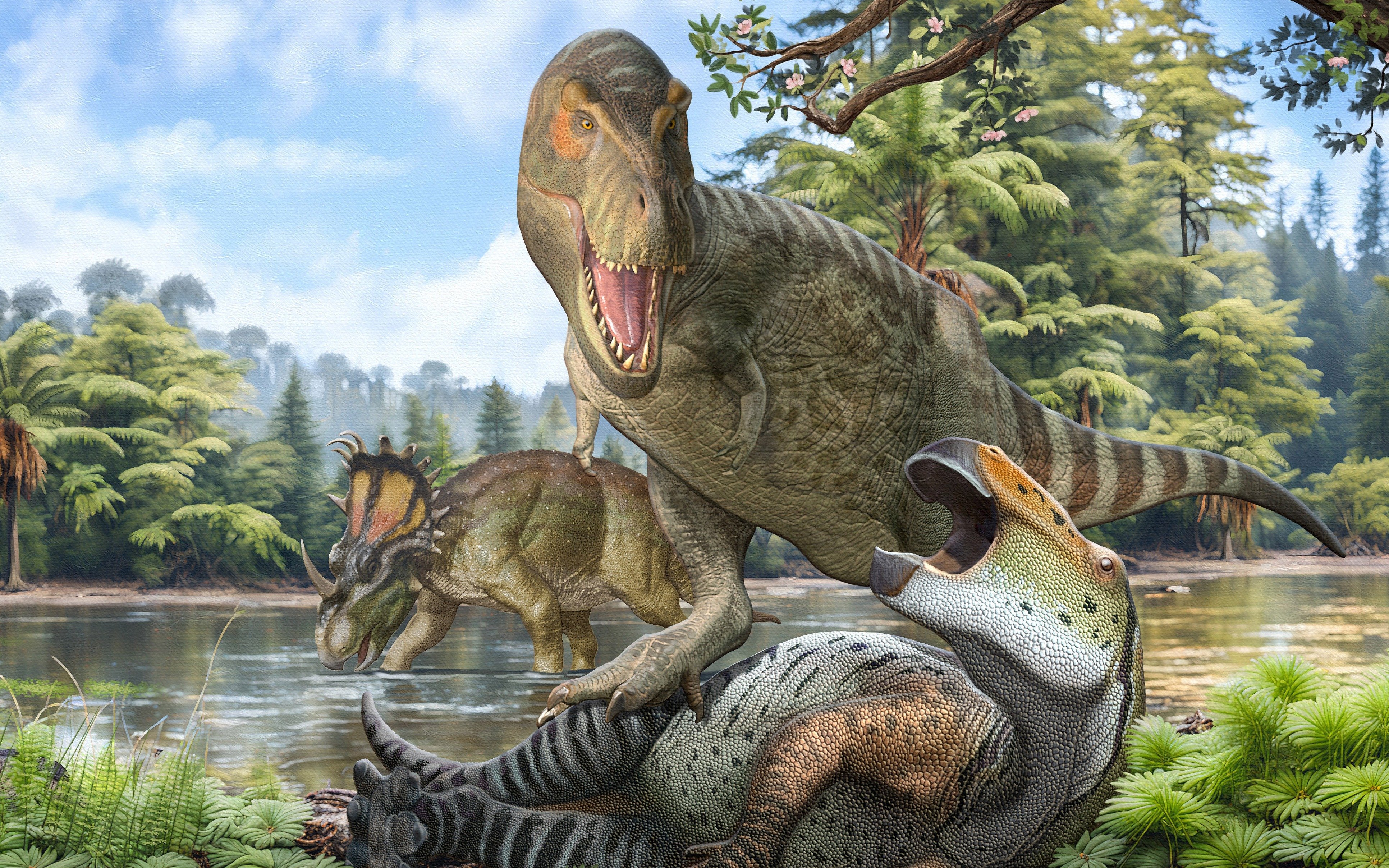
This dinosaur roamed Earth roughly 103 million years ago, during the mid-Cretaceous period—a time when ecosystems were evolving fast and dinosaurs were diversifying in ways we’re still trying to understand.
🦕 4. Small, Young… But Scientifically Huge
What makes this find special isn’t size—it’s detail. Juvenile fossils are incredibly rare. These remains give scientists a glimpse into how young plant-eating dinosaurs grew and adapted.
🦕 5. Breaking a 15-Year Silence
This is the first new dinosaur species identified in south korea in over a decade. That alone makes it headline-worthy—but the implications go deeper.
🦕 6. A Global Collaboration
The discovery wasn’t local—it was international. Teams from the university of texas at Austin and Korea’s Dinosaur Research Center worked together, blending expertise across continents.
🦕 7. Why This Changes the Map
Asia’s dinosaur record still has gaps. Finds like Doolysaurus huhmini help fill them, refining timelines and reshaping how scientists understand prehistoric biodiversity in the region.
Final Thought:
It might sound cute. It might even sound quirky. But beneath the name lies something powerful—a fossil that sat silent for 100 million years, now speaking volumes about a world we’re only beginning to piece together.
 click and follow Indiaherald WhatsApp channel