
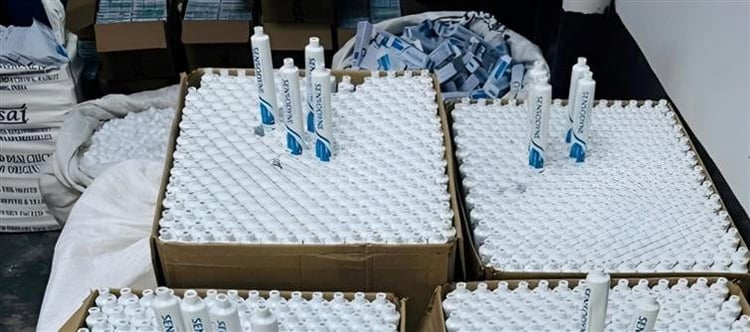


There was a time when spotting a fake product didn’t take much effort. A misspelled brand name, poor packaging, or suspicious pricing were enough to raise eyebrows. Today, that line has completely blurred, and that’s exactly what makes the situation far more dangerous.
The recent bust by delhi Police of a fake Sensodyne toothpaste manufacturing unit is not just another isolated incident; it’s a warning sign. Authorities reportedly seized over 130 kg of harmful chemical paste along with thousands of tubes designed to look exactly like the real product. Not similar. Not inspired. Identical.
And that’s where the real concern begins.
Counterfeiting has evolved. What used to be crude imitations sold in obscure corners of local markets has now transformed into a sophisticated operation. These products are no longer easy to spot. They mirror original branding, packaging, and even pricing, making it nearly impossible for the average consumer to tell the difference.
Even more alarming is where they’re being sold. These replicas are increasingly finding their way onto e-commerce platforms, blending seamlessly with genuine listings. You click, you order, you trust, and you might end up using something potentially harmful without ever realizing it.
But this isn’t just about toothpaste. The pattern is broader and more unsettling. Fake paneer, adulterated milk, compromised air, and water, the list keeps growing. It paints a picture of a system where authenticity feels uncertain, and safety feels negotiable.
What makes this situation frustrating is the lack of a clear, reliable mechanism for verification. Consumers are left to rely on guesswork, hoping what they buy is genuine, safe, and worth their money.
At some point, it stops being about inconvenience and starts becoming a question of survival.
Because when everyday essentials come with a question mark, trust isn’t just shaken, it’s broken.
 click and follow Indiaherald WhatsApp channel