


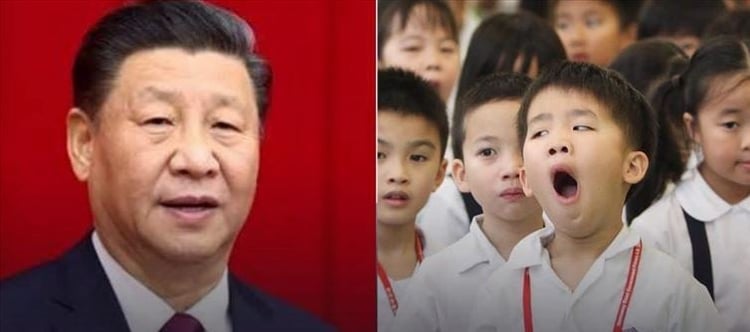

Every now and then, an old policy resurfaces and hits like breaking news—because the idea behind it is that powerful. China’s stance on education is one of those. It’s being framed as a fresh crackdown, but the reality is deeper, older, and far more deliberate. Strip away the viral noise, and what you’re left with is a bold question that refuses to go away: should education—especially for children—ever be a business?
THE REAL STORY, REWRITTEN WITH EDGE:
Let’s get this straight. china didn’t just wake up and “ban profits in education” overnight. The foundation was laid years ago, through its private education law, with enforcement tightening around 2017.
But the principle? That’s what’s catching fire now.
For children roughly between ages 6 and 15—the years covered under compulsory education—the rules are clear. Public schools dominate the system, funded and regulated by the state, keeping costs minimal. Private schools? They’re allowed, but with a non-negotiable condition: no profit-taking.
No dividends.
No cashing out.
No turning classrooms into revenue engines.
Any surplus stays within the school. Period.
And the message behind it cuts through the clutter: children are not a market segment.
The intent is blunt and strategic—reduce financial pressure on families, level the playing field, and dismantle the aggressive, profit-driven schooling culture that often widens inequality.
Of course, this isn’t without debate. Critics question control, innovation, and long-term quality. Supporters argue it’s a necessary correction in a world where education is increasingly commodified.
But one thing is undeniable: the idea is provocative enough to go viral again.
Because once you hear it, you can’t ignore it—
Should education be a right… or a business?
 click and follow Indiaherald WhatsApp channel