


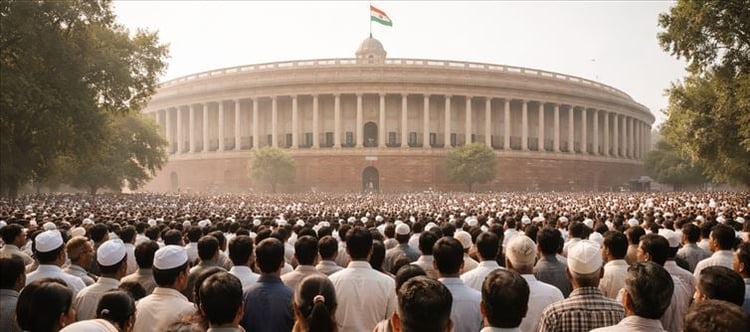

Sometimes, election results say more than speeches ever can. A drop in numbers isn’t just arithmetic—it’s a signal. Many are reading it as a moment where voters chose balance over dominance, sending a quiet but firm message: power, if left unchecked, can drift away from accountability. And when that happens, it’s the ordinary citizen who starts asking tougher questions.
💥 THE PRESSURE POINTS — WHAT people ARE DEBATING
1. A Shift That Feels Intentional
Some are interpreting the move from a commanding majority to a reduced mandate as a conscious correction—an attempt by voters to keep decision-making in check rather than concentrated.
2. Expanding Parliament, Expanding Costs
The idea of significantly increasing the number of MPs raises concerns about public expenditure. With a relatively small tax base supporting government spending, critics argue that scaling representation must be weighed against fiscal responsibility.
3. Where Does It End?
Skeptics worry about a slippery slope—if expansion becomes the norm, how do you draw the line? At what point does representation risk turn into excess?
4. The Nepotism Question
Another recurring concern is whether new opportunities in politics genuinely open doors—or widen space for existing political families to extend their influence.
5. Women’s Representation — Opportunity or Illusion?
While increased representation for women is widely supported, there’s a parallel debate: will it empower fresh voices, or will tickets largely stay within established political networks?
⚡ THE BIGGER QUESTION
At its core, this isn’t just about numbers—it’s about trust. Voters aren’t just watching policies; they’re watching intent. And the message emerging is clear: representation matters, but so does accountability.
 click and follow Indiaherald WhatsApp channel