


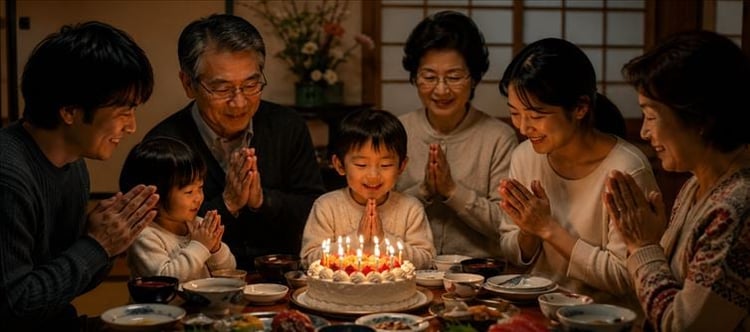

For most people today, birthdays are deeply personal occasions—a day filled with cakes, gifts, parties, and social media messages. But in japan, that wasn't always the case. In fact, until the mid-20th century, many Japanese people didn't celebrate their individual birthdays at all. Instead, an entire nation grew older together on a single day: New Year's Day.
This fascinating tradition stemmed from an older age-counting system known as kazoedoshi. Under this method, a baby was considered one year old at birth, and everyone added another year to their age when the New Year arrived, regardless of their actual birth date. Whether you were born in january or December, your age increased alongside everyone else's on the same day.
The custom reflected the values of traditional Japanese society, where the collective often took precedence over the individual. Rather than placing special importance on personal milestones, the focus was on shared experiences and communal identity. New Year's Day became more than just the start of another calendar year—it was a symbolic moment when the entire population moved forward together.
Everything began to change after World war II. As japan modernized and adopted more Western customs, the government officially shifted to the international age-counting system. By the 1950s, individual birthdays had become increasingly important, and celebrations featuring cakes, gifts, and family gatherings started becoming common.
Today, birthdays in japan look much like they do in many other parts of the world. Yet hidden beneath the candles and celebrations is a remarkable piece of history—a time when millions of people shared the same birthday, and growing older was something an entire nation did together.
 click and follow Indiaherald WhatsApp channel