
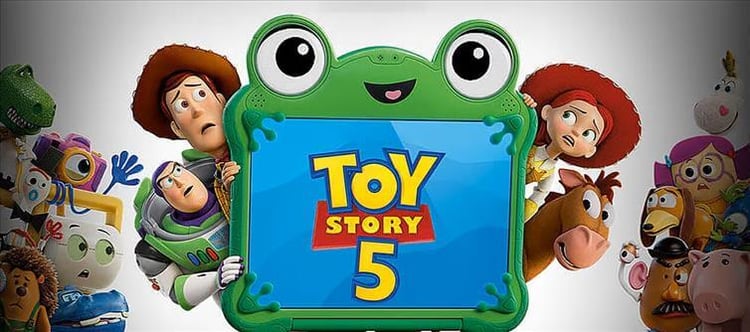


TOY STORY 5 REVIEW: PIXAR'S MOST NECESSARY SEQUEL IN YEARS PROVES PLAYTIME IS FAR FROM OVER
When Toy Story 4 seemingly wrapped up Woody's journey and delivered a satisfying farewell, the announcement of a fifth installment was met with understandable skepticism. Had Pixar finally pushed its most beloved franchise too far? Was this another case of a studio revisiting familiar territory simply because it could?
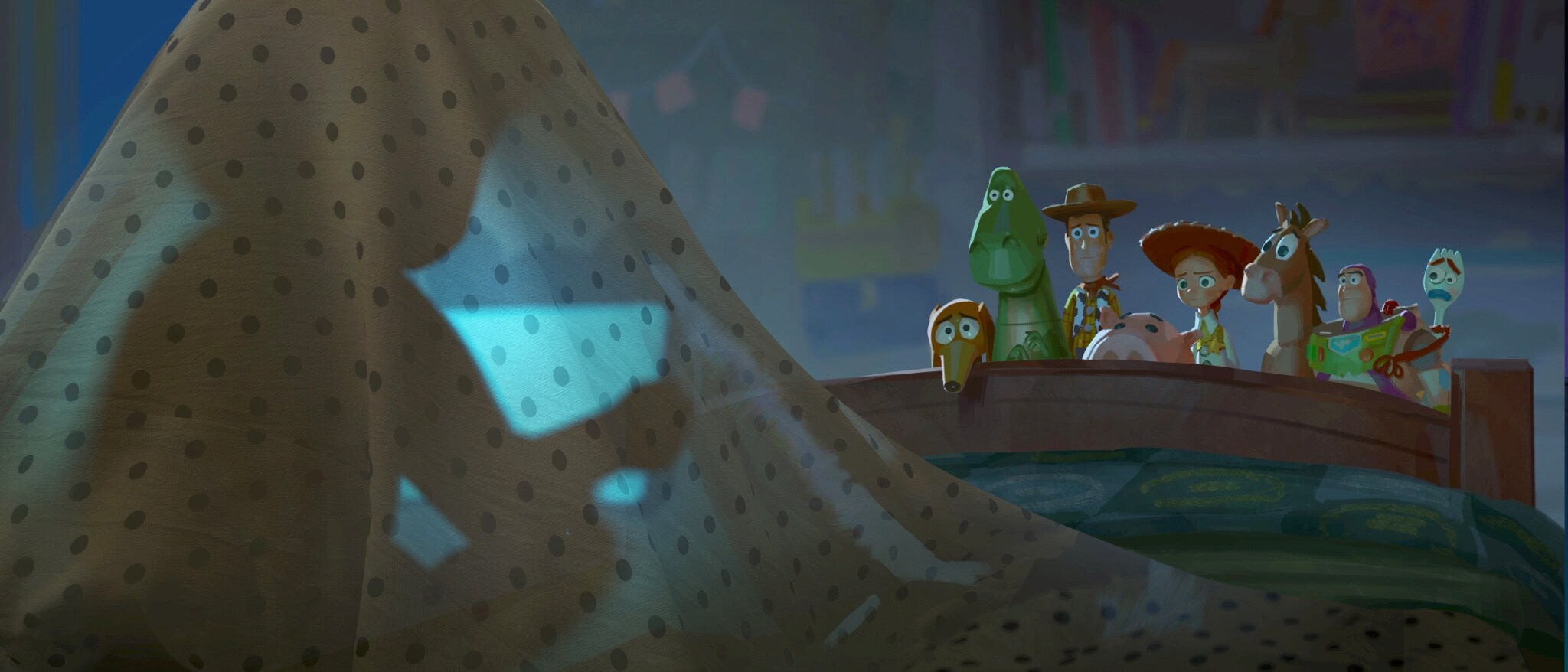
The answer is a resounding no.
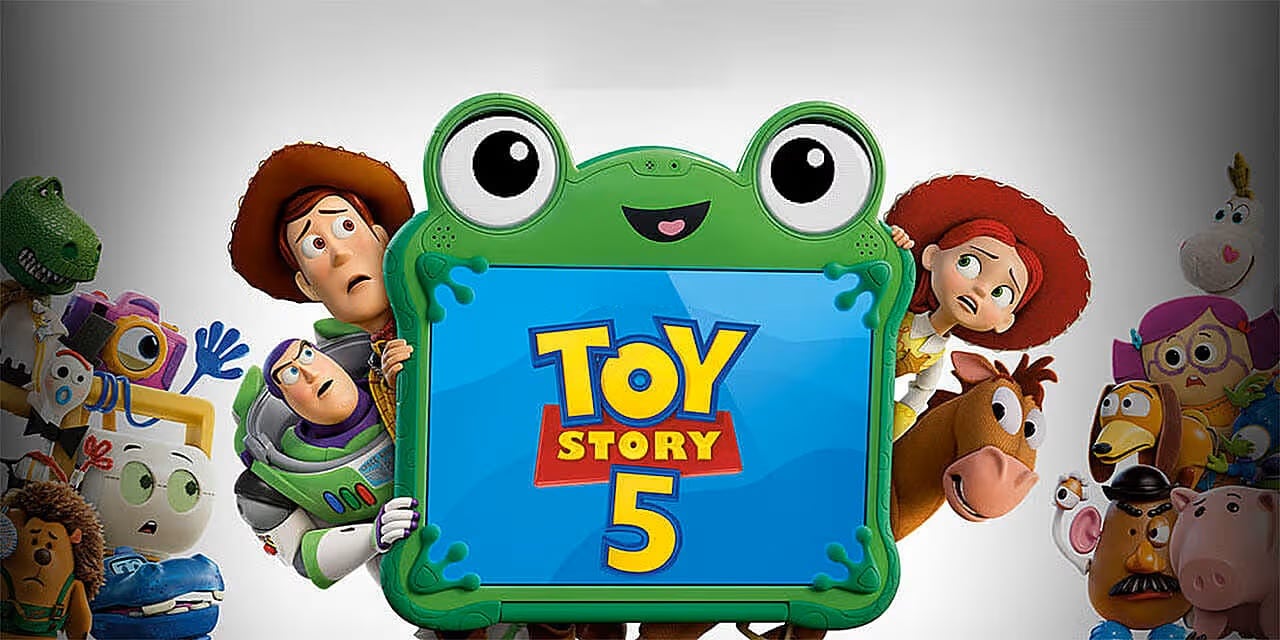
Rather than rehashing old themes or relying solely on nostalgia, Toy Story 5 finds a fresh, timely, and surprisingly profound reason to exist. By placing its iconic characters in direct conflict with the realities of modern childhood—where tablets, apps, and screens increasingly dominate playtime—Pixar crafts its most socially relevant entry yet. The result is a film that feels simultaneously classic and contemporary, honoring the franchise's emotional dna while fearlessly confronting the changing world around it.
What emerges is a hilarious, heartfelt, visually stunning adventure that not only earns its place within the series but may ultimately stand among Pixar's finest achievements.
Story: A Battle for Childhood in the wallet PLATFORM' target='_blank' title='digital-Latest Updates, Photos, Videos are a click away, CLICK NOW'>digital Age
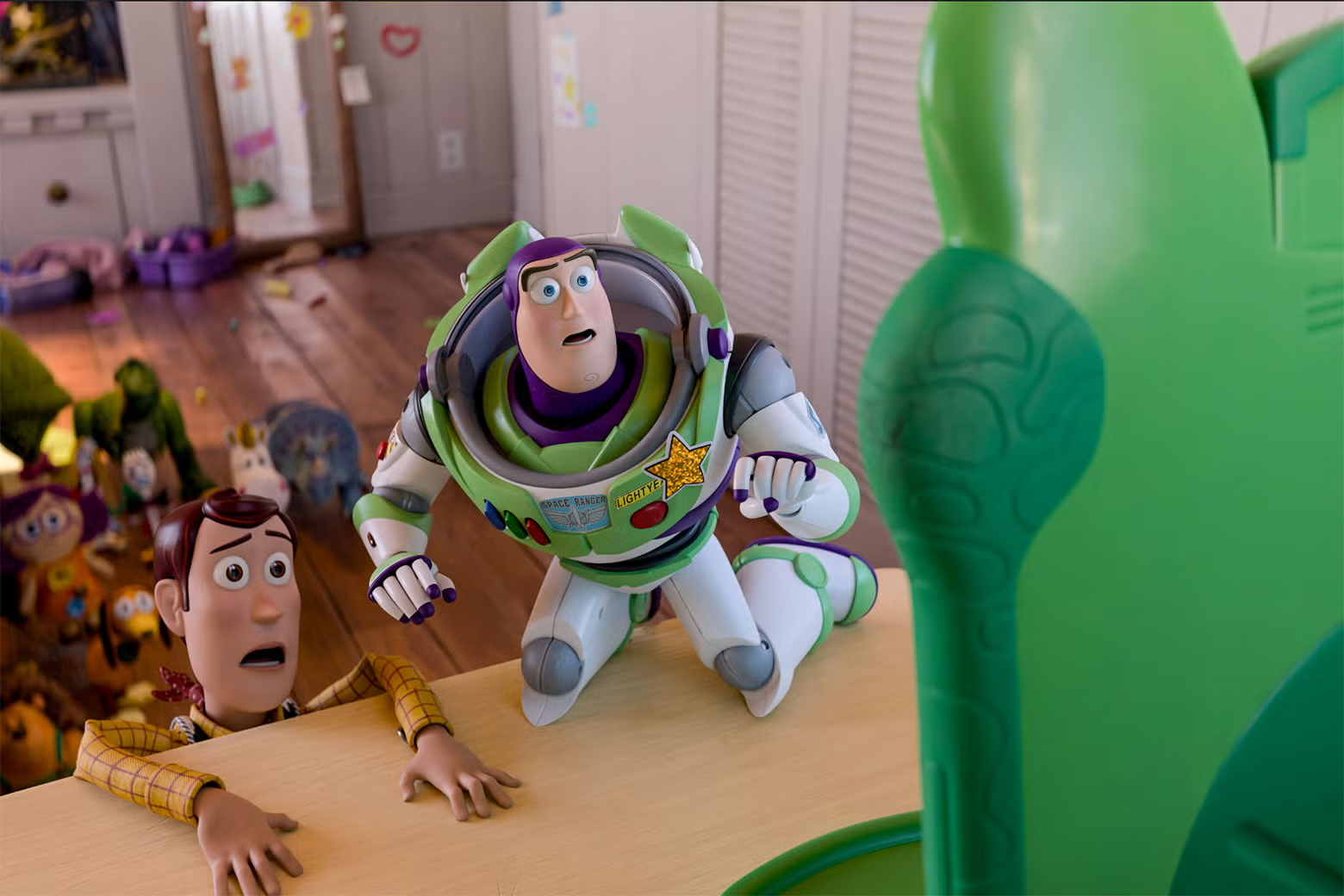
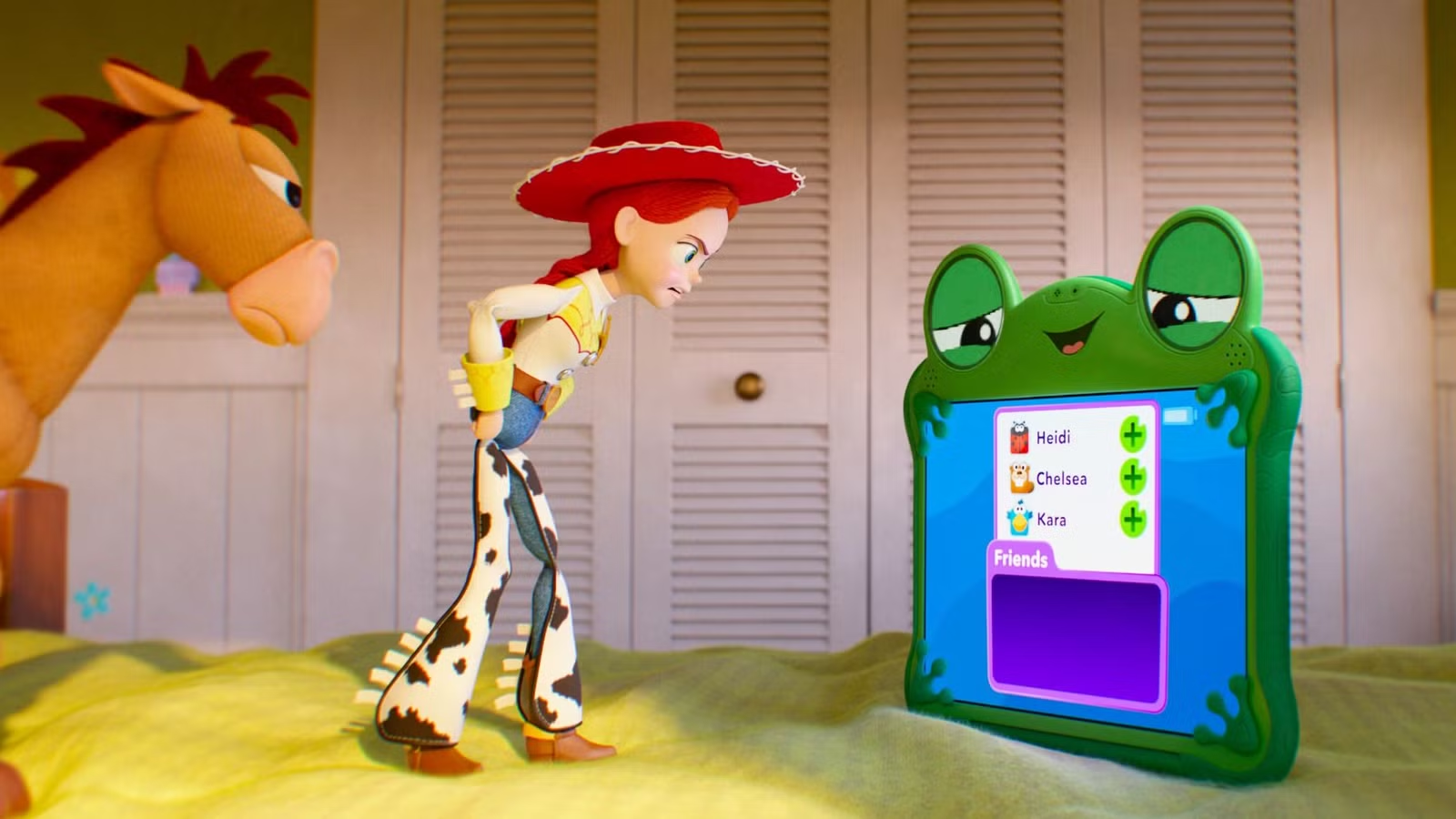
The central premise of Toy Story 5 is brilliantly simple and immediately relatable. Jessie and the gang begin to realize that toys may no longer occupy the center of children's lives. The arrival of Bonnie's new tablet, Lilypad, marks the beginning of an emotional shift that threatens everything the toys have always believed about their purpose.
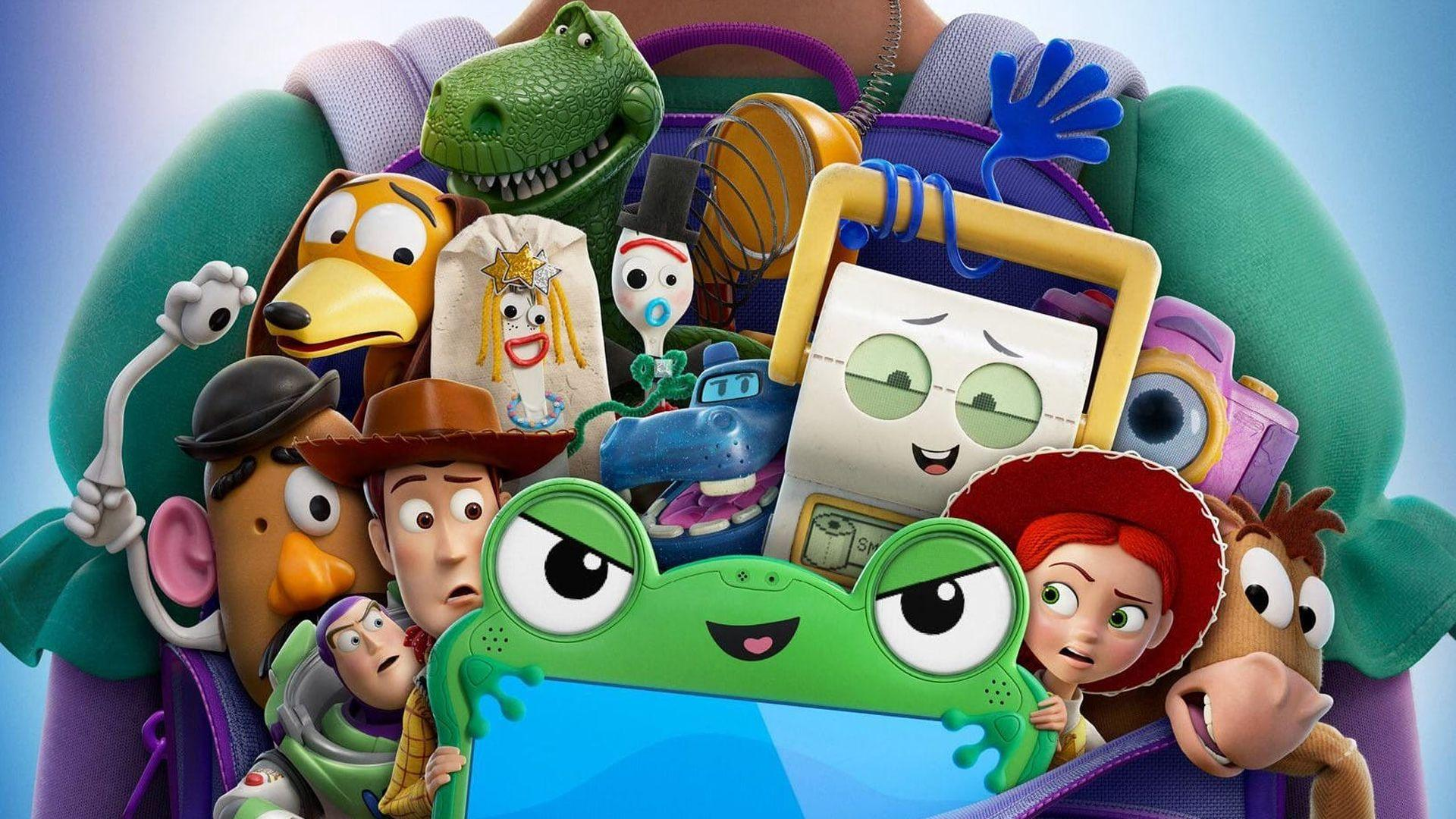
The screenplay smartly avoids simplistic answers. It would have been easy to portray technology as the villain and toys as innocent victims. Instead, the film embraces nuance. Screens are shown as tools capable of both connection and isolation. technology helps Bonnie make friends, but it also exposes her to peer pressure and insecurity.
When Jessie and Bullseye become separated from Bonnie and encounter Blaze, a spirited young girl who still embraces imaginative play, the story transforms into a mission of hope. Jessie believes Blaze could help reconnect Bonnie with the joy of playtime, setting in motion an adventure packed with humor, heart, and genuine emotional stakes.
What makes the narrative especially effective is how naturally its themes emerge from character choices rather than heavy-handed messaging. The film asks difficult questions about modern parenting, technology, and childhood without ever becoming preachy.
Performances: Jessie Finally Takes Center Stage
Joan Cusack delivers arguably her strongest performance in the entire franchise. Jessie has always been one of Toy Story's most emotionally complex characters, and this film allows her to fully step into a leadership role.
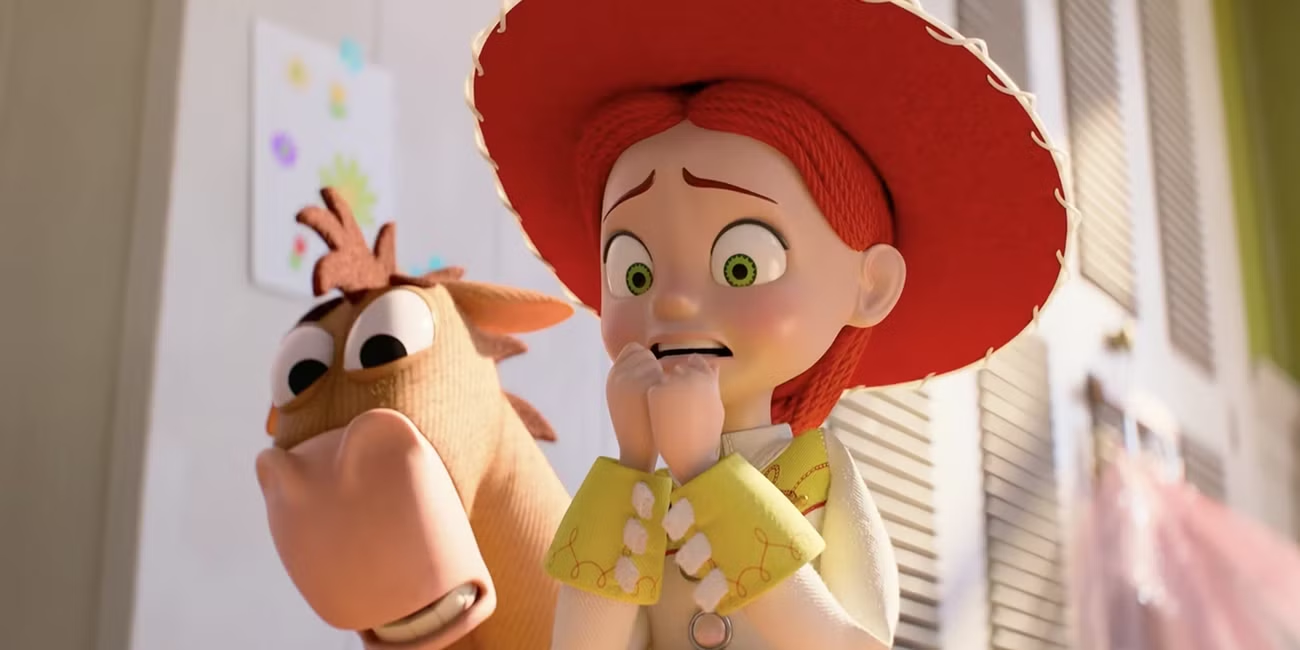
Her journey is not simply about saving Bonnie. It is about confronting lingering fears from her past. The scars left by Emily's abandonment continue to shape her worldview, influencing how she views newer toys and her own sense of worth. Cusack captures every layer of vulnerability, courage, frustration, and growth with remarkable authenticity.
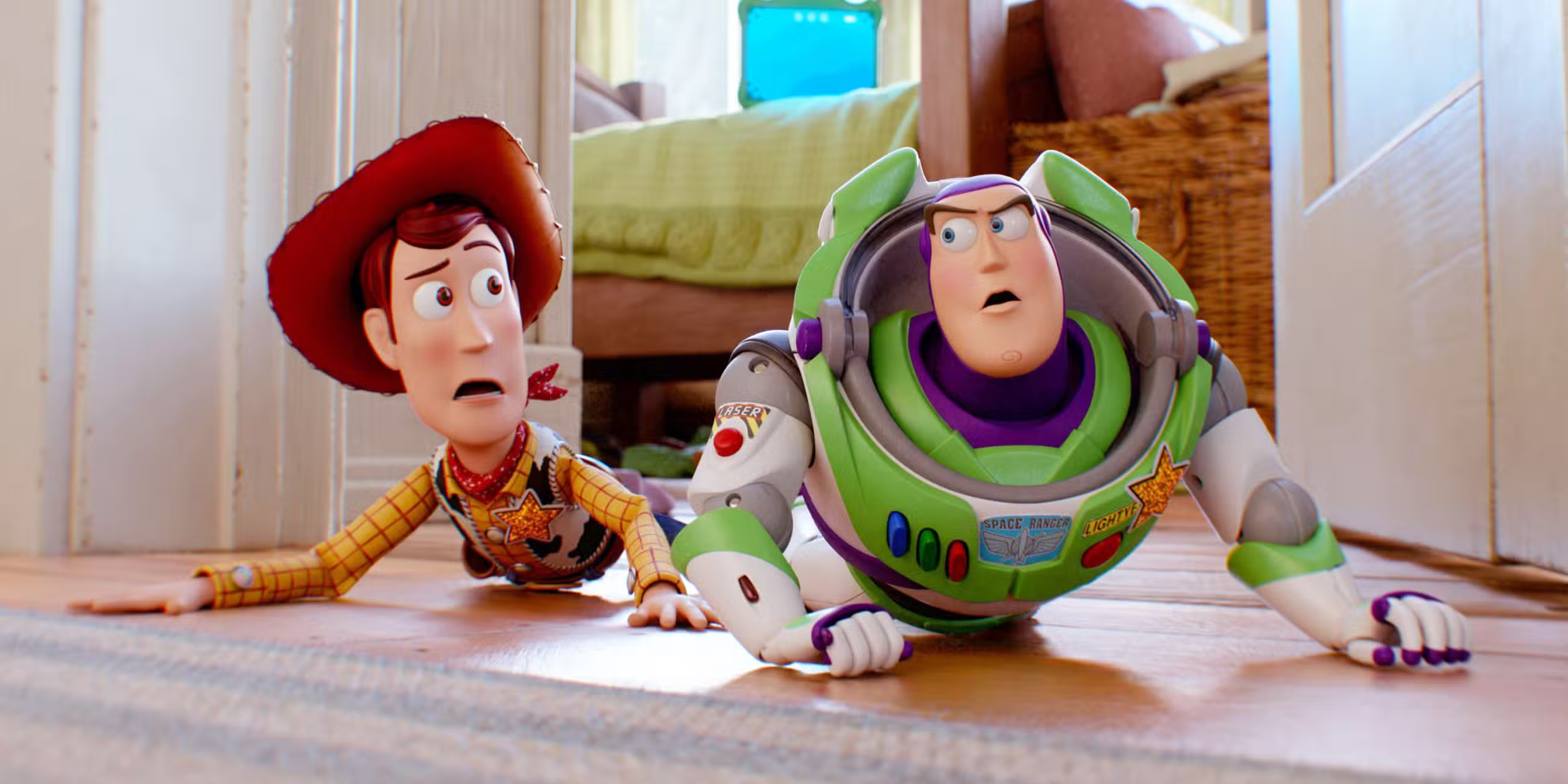
Tom Hanks and Tim Allen remain as reliable as ever. Woody and Buzz may not dominate the narrative this time, but their presence remains invaluable. Their playful rivalry over becoming Jessie's deputy generates some of the film's funniest moments, while their emotional scenes carry decades of accumulated history.
Greta Lee emerges as the film's breakout addition. As Lilypad, she transforms what could have been a one-dimensional antagonist into one of Pixar's most memorable new characters. Her robotic confidence, dry wit, and gradual emotional evolution create countless laughs while serving the story's deeper themes.
Conan O'Brien nearly steals every scene he enters as Smarty Pants, delivering some of the film's biggest laughs through impeccable comic timing and unexpected sophistication.
Technical Brilliance: Pixar at the Peak of Its Powers
Visually, Toy Story 5 is nothing short of breathtaking.
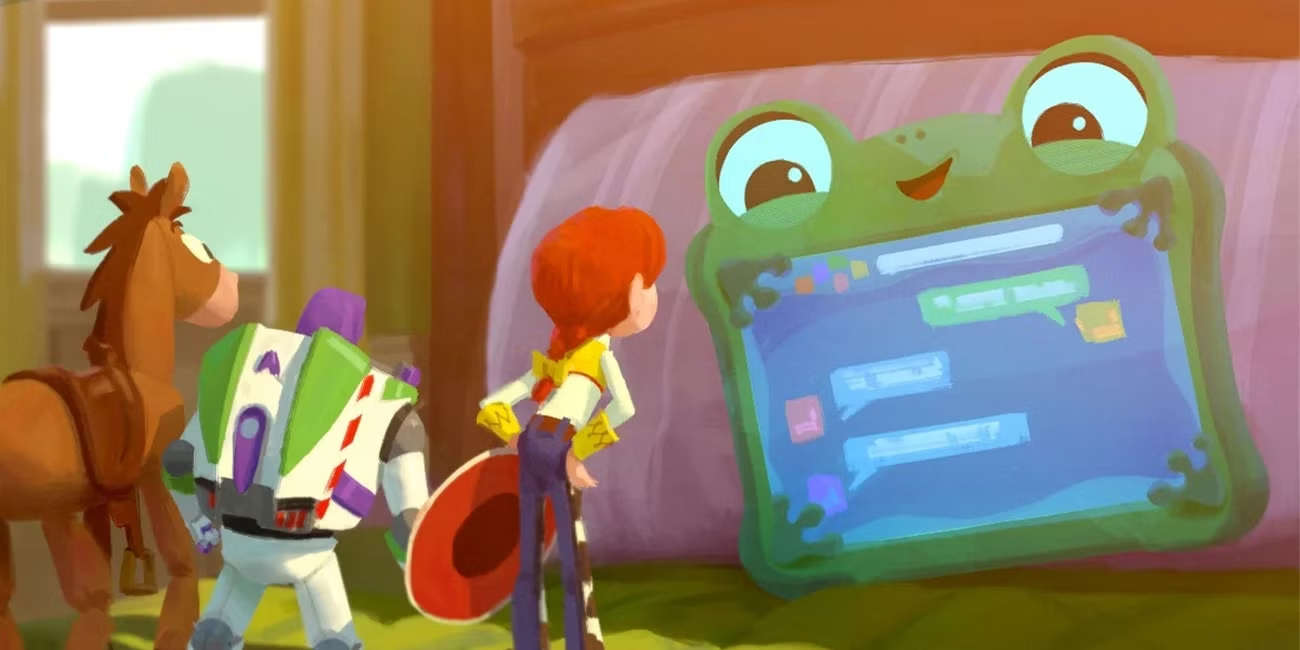
Pixar's animation has always been industry-leading, but this installment reaches extraordinary heights. Every frame bursts with color, texture, and personality. From the warm glow of childhood bedrooms to the vibrant chaos of imaginative play sequences, the film consistently dazzles.
Particularly impressive is the way the filmmakers visually distinguish fantasy from reality. Playtime sequences embrace a heightened artistic style that captures the limitless possibilities of a child's imagination. These moments become some of the most visually inventive scenes in the franchise.
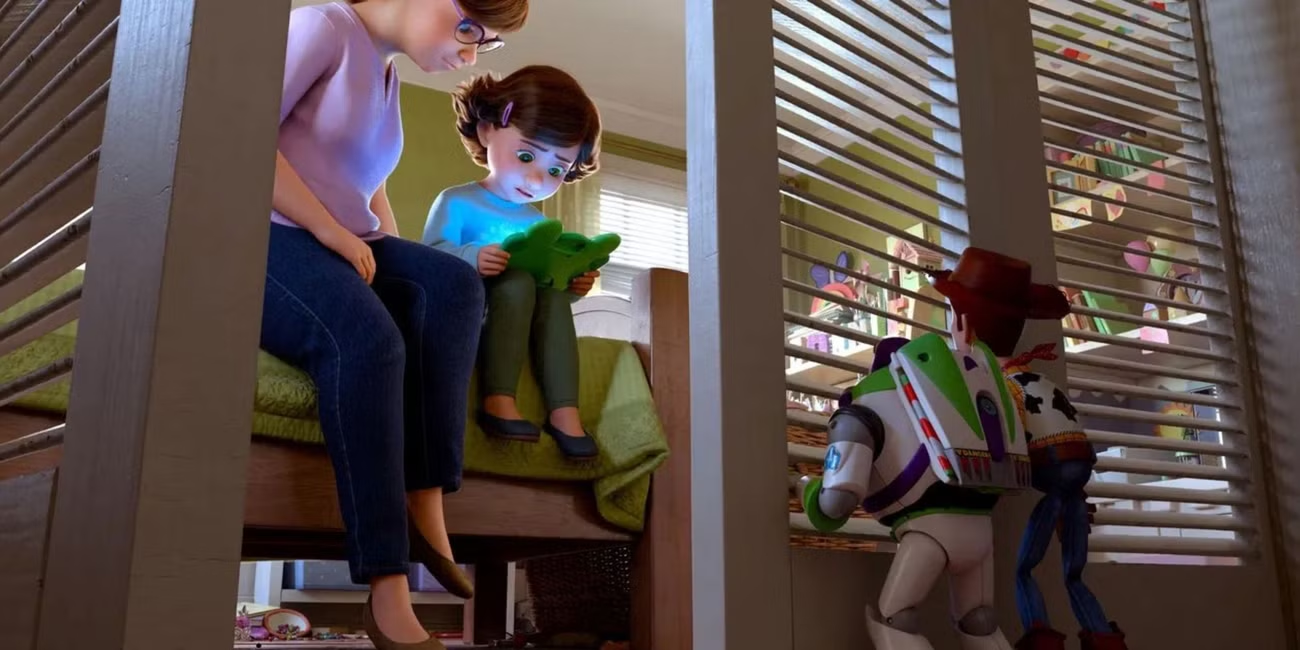
The cinematography feels cinematic rather than merely functional. Lighting choices enhance emotional beats, environments feel lived-in, and character animation achieves astonishing levels of subtlety.
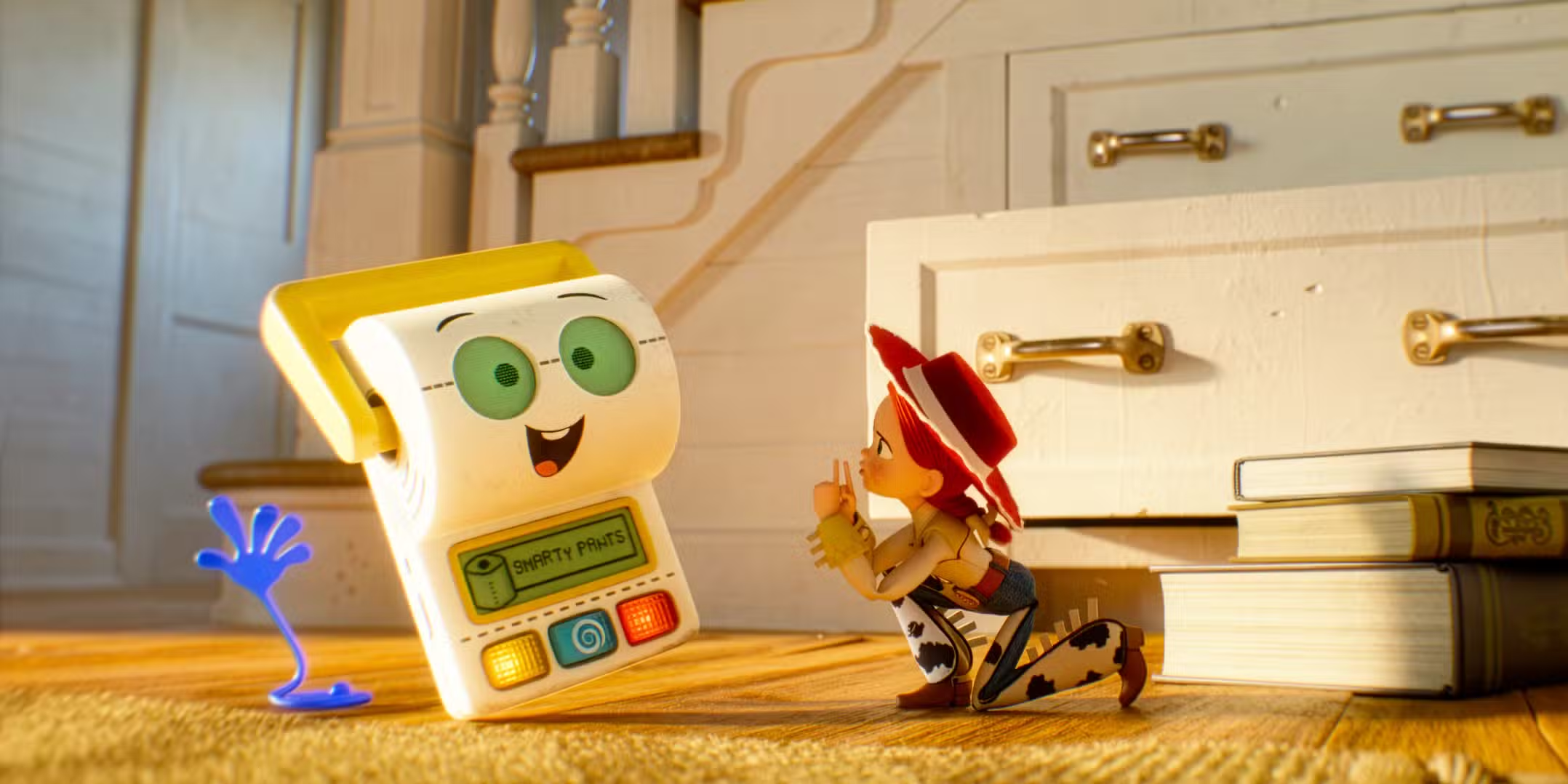
Thomas Newman's score beautifully balances nostalgia with fresh emotional textures, enhancing both comedic and dramatic moments without overwhelming them.
Themes and Analysis: Pixar's Most Relevant Film in Years
At its core, Toy Story 5 explores obsolescence.
Not simply the fear of being replaced, but the fear of becoming irrelevant in a rapidly changing world.
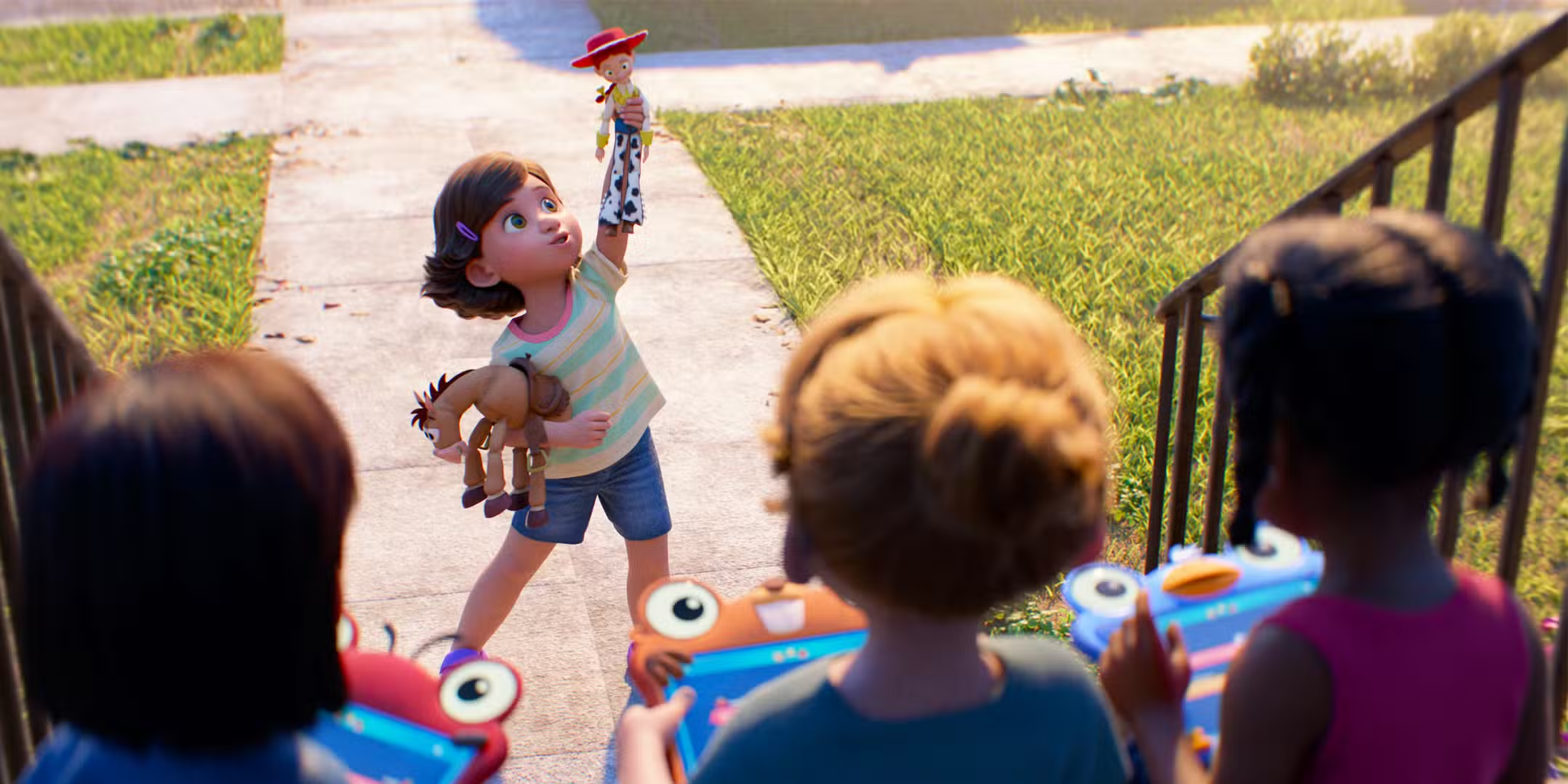
Jessie's struggle mirrors a universal anxiety experienced by parents, teachers, workers, and even entire generations adapting to technological change. The film understands that progress is inevitable, but asks whether progress must come at the expense of imagination, creativity, and human connection.
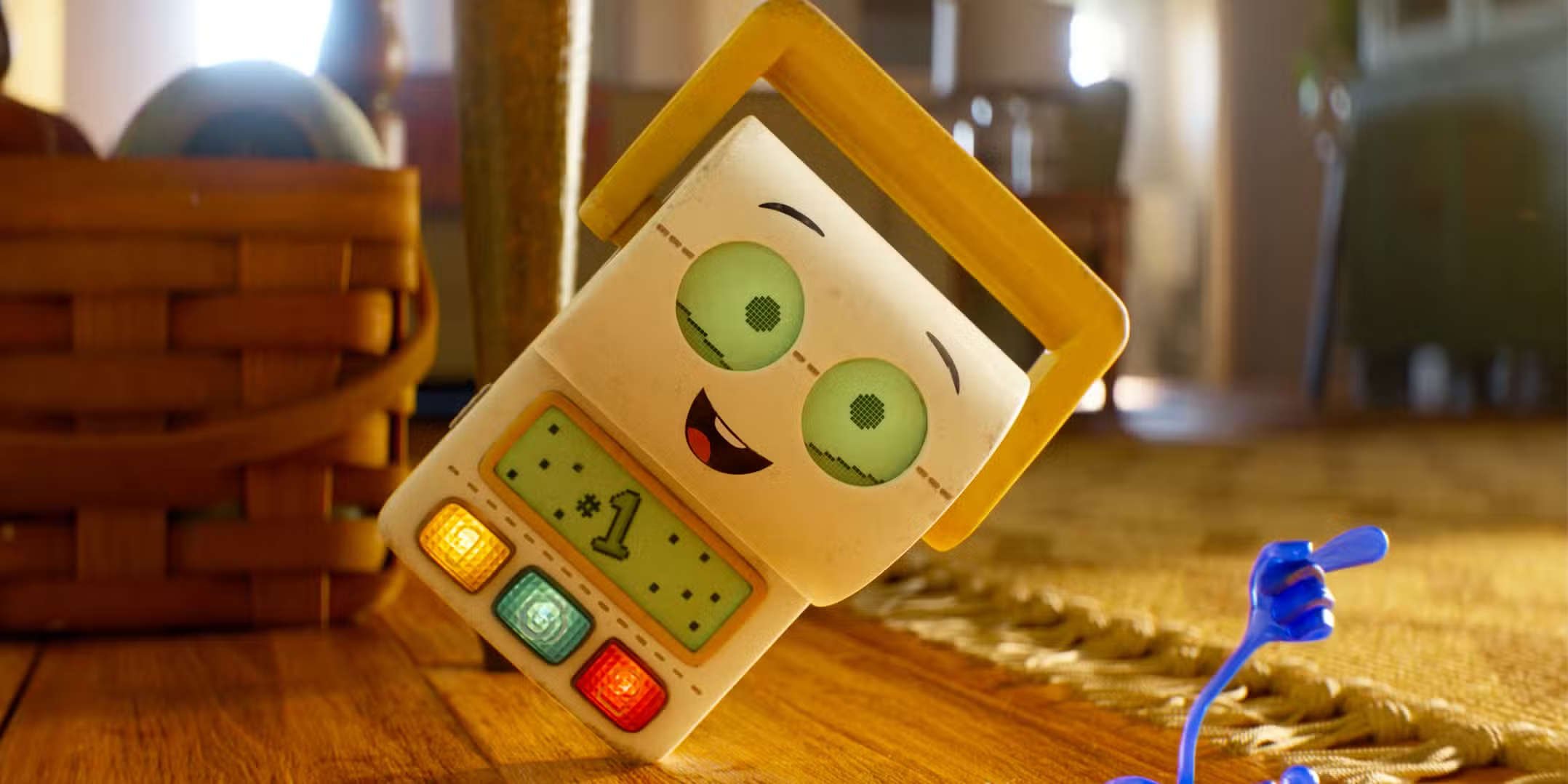
The screenplay also cleverly examines consumer culture. New toys, new devices, and endless upgrades create a cycle where everything risks becoming temporary. Although the film never directly lectures audiences, the underlying commentary is impossible to miss.
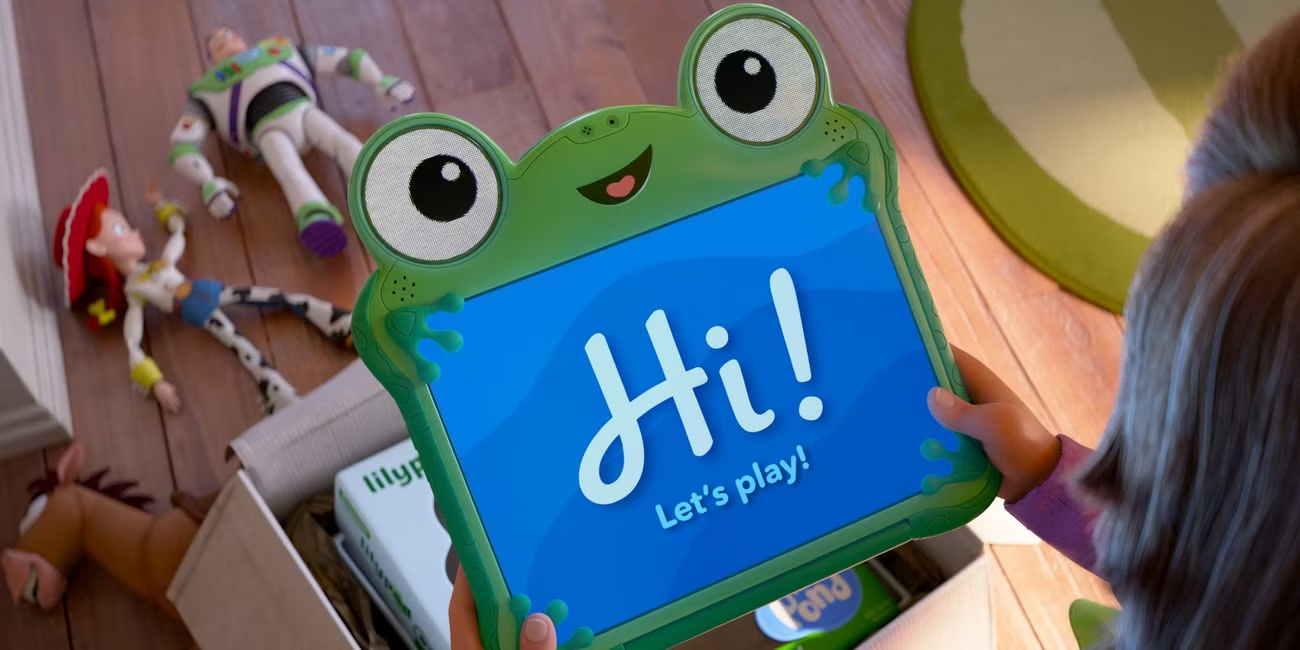
Most importantly, Toy Story 5 celebrates coexistence rather than conflict. The ultimate message isn't that technology is bad. It is meaningful childhood experiences that require balance, imagination, and emotional connection, regardless of the tools involved.
That nuanced perspective elevates the film beyond simple family entertainment.
What Works
• Jessie receives the franchise's strongest character arc.
• Emotionally mature storytelling that respects young audiences.
• Smart and timely themes about technology and childhood.
• Greta Lee's hilarious and layered performance as Lilypad.
• Gorgeous animation that pushes Pixar's visual standards even higher.
• Excellent balance of comedy, adventure, and emotional depth.
• Strong development of long-running relationships.
• Avoids nostalgia bait and earns its emotional moments honestly.
• Meaningful message without becoming preachy.
What Doesn't Work
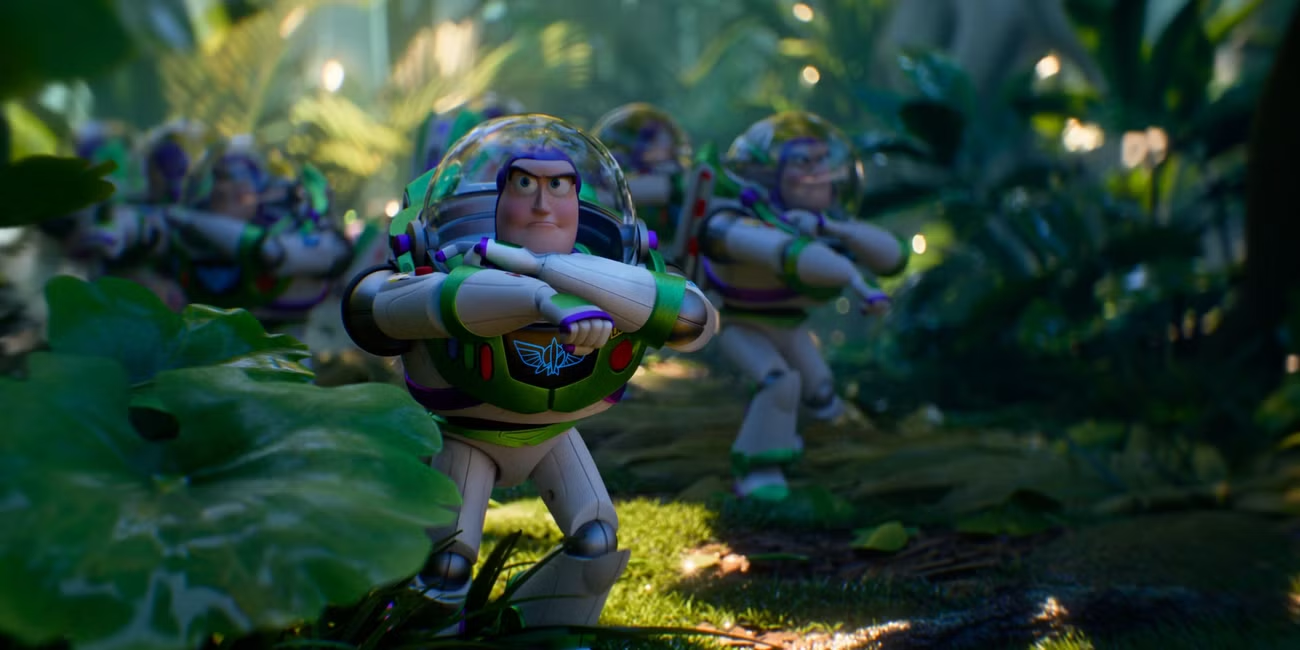
• The advanced Buzz Lightyear subplot feels somewhat disconnected.
• Large ensembles occasionally leave certain characters underused.
• Some supporting toys disappear for extended stretches.
• A few narrative threads could have been integrated more smoothly.
Final Verdict
Toy Story 5 achieves something that seemed nearly impossible. It justifies its existence not through nostalgia, spectacle, or franchise loyalty, but through genuine storytelling necessity.
By examining how childhood itself has evolved over the last three decades, Pixar creates a sequel that feels every bit as important as the original films. It is funny, emotionally devastating, visually stunning, and surprisingly thoughtful about the challenges facing modern families.
More importantly, it understands the fundamental truth that has always made Toy Story special: toys were never really about toys. They were always about love, belonging, imagination, and growing up.
Three decades after the original changed animation forever, Toy Story 5 proves this franchise still has something meaningful to say.
Bottom Line
"Toy Story 5 doesn't merely continue the franchise—it redefines its purpose for a new generation, delivering one of Pixar's funniest, smartest, and most emotionally resonant adventures in years."
 click and follow Indiaherald WhatsApp channel