


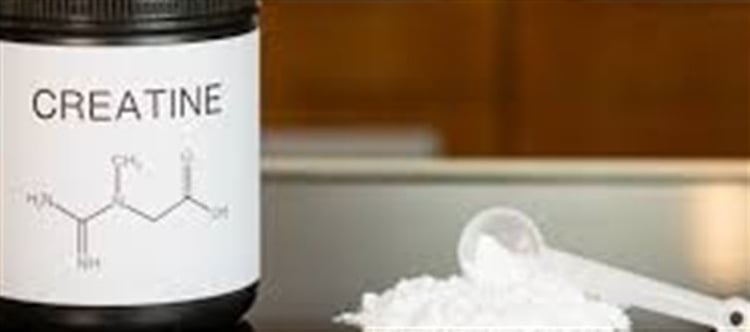

Creatine, a popular supplement among athletes and gym-goers, has long been questioned for its potential impact on kidney health. A UK-based surgeon breaks down the facts and clears common misconceptions.
1. How Creatine Works in the Body
· Creatine is a naturally occurring compound found in muscles and the brain, helping produce energy during high-intensity activities.
· Supplementation is often used to increase muscle mass, strength, and performance.
2. The Kidney Concern
· Creatine itself is not toxic to kidneys in healthy individuals.
· However, taking creatine can elevate creatinine levels in the blood.
o Creatinine is a waste product measured in kidney function tests.
o Higher creatinine levels can make lab results appear as though kidney function is impaired, even if kidneys are healthy.
3. Risk Factors to Consider
· people with pre-existing kidney conditions should consult a doctor before taking creatine.
· Staying well-hydrated is crucial, as creatine can increase water retention in muscles.
· Long-term misuse or excessive doses may stress the kidneys indirectly, though this is rare in healthy adults.
4. Tips for Safe Creatine Use
· Stick to the recommended dosage (usually 3–5 grams daily for maintenance).
· Monitor kidney function if you have any health concerns or underlying conditions.
· Avoid combining creatine with other kidney-stressing substances like excessive NSAIDs or alcohol.
5. Key Takeaways
· Creatine does not inherently damage kidneys in healthy adults.
· Elevated creatinine from supplementation can mislead lab results, so healthcare providers should be aware of supplement use.
· Proper dosage, hydration, and medical guidance ensure safe and effective use.
Conclusion
Creatine is generally safe for healthy individuals when used responsibly. Concerns about kidney damage are mostly based on misinterpreted blood tests, not actual harm. For those with kidney issues, consultation with a healthcare professional is essential before supplementation.
Disclaimer:
The views and opinions expressed in this article are those of the author and do not necessarily reflect the official policy or position of any agency, organization, employer, or company. All information provided is for general informational purposes only. While every effort has been made to ensure accuracy, we make no representations or warranties of any kind, express or implied, about the completeness, reliability, or suitability of the information contained herein. Readers are advised to verify facts and seek professional advice where necessary. Any reliance placed on such information is strictly at the reader’s own risk..jpg)
 click and follow Indiaherald WhatsApp channel