


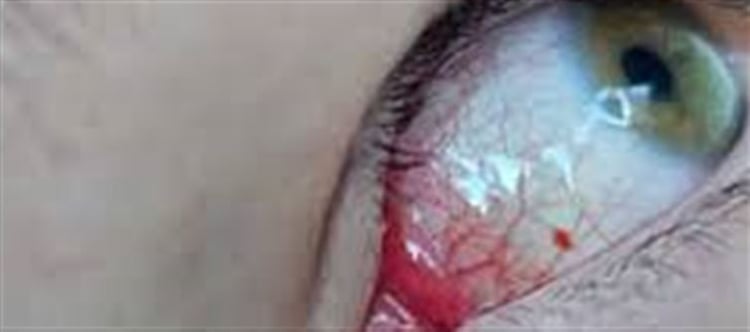

Thyroid Eye Disease (TED), also known as Graves’ orbitopathy, is an autoimmune condition affecting the eyes, often associated with thyroid disorders such as hyperthyroidism or Graves’ disease. While many people link thyroid issues only to metabolism or weight changes, TED directly impacts eye health and overall quality of life, making early recognition crucial.
What Happens in Thyroid Eye Disease?
· The immune system mistakenly targets the muscles and tissues around the eyes.
· This can cause inflammation, swelling, and tissue remodeling.
· The condition can lead to eye bulging (proptosis), double vision, discomfort, and even vision loss in severe cases.
Common Signs and Symptoms
Recognizing TED early is essential. Key warning signs include:
1. Protruding Eyes (Exophthalmos)
o Eyes appear more prominent or bulging than usual.
2. Swelling Around Eyes
o Puffiness of eyelids or tissues surrounding the eyes.
3. Redness and Irritation
o Bloodshot eyes, dryness, or excessive tearing.
4. Double Vision or Vision Changes
o Misalignment of the eyes can cause diplopia (double vision).
5. Eye Pain or Discomfort
o Especially when moving the eyes or during exposure to wind/light.
6. Sensitivity to Light
o Photophobia, making bright environments uncomfortable.
Why Early Detection Matters
· Prevents complications: Untreated TED can lead to corneal ulcers, severe vision impairment, or permanent scarring.
· Improves treatment outcomes: Early interventions like medications, steroids, or surgery are more effective before the condition progresses.
· Manages thyroid levels: Stabilizing thyroid function can reduce the severity of eye symptoms.
Risk Factors
· Thyroid disorders: Especially Graves’ disease.
· Smoking: Significantly increases risk and severity of TED.
· Age and Gender: More common in women aged 30-50, though men can experience more severe disease.
· Family history: Genetics may play a role in susceptibility.
Treatment Options
Treatment depends on severity and progression:
1. Medications
o Anti-inflammatory drugs, corticosteroids, or immunosuppressants.
2. Thyroid Management
o Controlling hyperthyroidism or hypothyroidism helps reduce eye-related symptoms.
3. Surgery
o Orbital decompression to relieve pressure in severe cases.
o Eyelid surgery to correct drooping or exposure issues.
4. Supportive Measures
o Lubricating eye drops for dryness
o Wearing sunglasses to reduce light sensitivity
o Sleeping with head elevated to reduce swelling
🌟 Lifestyle and Prevention Tips
· Quit smoking: Strongly recommended to reduce risk and progression.
· Regular eye check-ups: Early detection can prevent serious complications.
· Monitor thyroid levels: Maintain regular follow-ups with your endocrinologist.
· Protect your eyes: Use lubricating drops, sunglasses, and avoid eye strain.
Conclusion
Thyroid Eye Disease is more than just a cosmetic issue—it can affect vision and overall health if ignored. Awareness, early detection, and proper management are key to preventing long-term complications and improving quality of life. If you notice any unusual eye changes, don’t wait—consult an ophthalmologist or endocrinologist promptly.
Disclaimer:
The views and opinions expressed in this article are those of the author and do not necessarily reflect the official policy or position of any agency, organization, employer, or company. All information provided is for general informational purposes only. While every effort has been made to ensure accuracy, we make no representations or warranties of any kind, express or implied, about the completeness, reliability, or suitability of the information contained herein. Readers are advised to verify facts and seek professional advice where necessary. Any reliance placed on such information is strictly at the reader’s own risk.
 click and follow Indiaherald WhatsApp channel