

-

Air
-
Amazon
-
Ancestral
-
Avocado
-
Ayurveda
-
Bacteria
-
Buttermilk
-
Chennai
-
Copper
-
Culture
-
Dargah Sharif
-
Delhi
-
Fashion
-
HEALTH
-
House
-
Hyderabad
-
Idea
-
India
-
Indian
-
Indians
-
Indore
-
Industries
-
Industry
-
Instagram
-
January
-
Kumbakonam
-
LIFESTYLE
-
March
-
Meera
-
oil
-
politics
-
Population
-
Raid
-
READ
-
Research and Analysis Wing
-
Service
-
social media
-
Survey
-
surya sivakumar
-
Vaishno Devi
-
WATCH

Urban India's morning routine is being overhauled by a convergence of Ayurvedic revival, social-media wellness culture and post-pandemic health anxiety, according to multiple lifestyle surveys and nutritionists. The result is a hybrid ritual — copper-water sipping, fermented-rice breakfasts and pre-dawn wake-ups — that blends ancestral Indian practice with global biohacking trends.
The 5W+H: Who, What, When, Where, Why, How
- Who: Urban Indian professionals, millennials and Gen-Z wellness adopters across metros and tier-2 cities, influenced by Ayurvedic practitioners, fitness influencers and nutritionists.
- What: A widespread shift in morning routines toward pre-dawn wake-ups, copper-vessel water, curd-rice or fermented-rice breakfasts, oil pulling, and structured breathwork — blending traditional Indian habits with global biohacking trends.
- When: The trend has accelerated through 2024–2025, building on post-pandemic health consciousness and amplified by social media wellness content year-round.
- Where: Primarily in Indian metros — Bengaluru, Hyderabad, Mumbai, Delhi-NCR, Chennai — with rapid adoption in tier-2 cities such as Coimbatore, Indore and Visakhapatnam, according to fitness-app user data and lifestyle surveys.
- Why: Post-pandemic health anxiety, the revival of Ayurveda in mainstream wellness discourse, the influence of social-media creators promoting ancestral routines, and a growing body of nutritional research validating traditional Indian foods have together driven the shift.
- How: Through social-media amplification of Ayurvedic practitioners and fitness influencers, integration of traditional habits into wellness-app guided routines, and a cultural moment where reclaiming grandmother's kitchen wisdom has become aspirational rather than regressive.
Picture this: it is 4:47 AM in a Bengaluru high-rise. The sky is still the colour of cold coffee. A 28-year-old product manager — let us call her Meera, because there are a hundred thousand Meeras doing exactly this right now — pads barefoot into her kitchen, reaches past the French press, past the imported matcha tin, and picks up a small copper vessel that her grandmother would recognise instantly. She fills it with water. She will not eat for another three hours. She will, however, tongue-scrape, oil-pull with cold-pressed coconut oil, do twelve rounds of Surya Namaskar on a balcony overlooking a construction site, and then sit down to a bowl of curd rice — the same curd rice her Paati in Kumbakonam has been eating at dawn since 1962.
Meera is not unusual. She is, if India's wellness ecosystem is to be believed, the new median.
The Numbers Behind the Quiet Revolution
According to a 2024 report by market-research firm RedSeer Strategy, the Indian wellness and self-care market crossed ₹1.5 lakh crore in value — a near 20% jump from the previous year — with "morning-routine optimisation" emerging as a distinct consumer behaviour segment for the first time. A parallel survey by fitness platform HealthifyMe, reported by The Economic Times, found that 43% of its Indian users had modified their wake-up time to before 5:30 AM over the preceding twelve months, with the highest adoption rates in Bengaluru, Hyderabad and Pune. That is not a fad statistic. That is a structural shift in when a country starts its day.
And it is not just the alarm clock. The National Institute of Nutrition (NIN), Hyderabad, in its updated 2024 Dietary Guidelines for Indians, gave a quiet but significant nod to fermented foods — including fermented rice and traditional buttermilk — as beneficial for gut microbiota. What your grandmother never needed a citation for, the ICMR-NIN apparatus has now formalised. Curd rice, in other words, has peer review.
[EMBED-SUGGESTION:tweet]
Copper, Turmeric, Tongue Scrapers — The Grandmother Stack
The inventory of the "new" Indian morning reads like a raid on an ancestral kitchen. Copper vessels for overnight water storage — a practice rooted in Ayurvedic texts like the Ashtanga Hridayam — have seen a sales surge that would make any D2C founder weep with joy. According to data shared by e-commerce tracker Unicommerce with Mint, searches for "copper water bottle" on major Indian e-commerce platforms rose 74% between January 2024 and March 2025. Tongue scrapers, oil-pulling kits, brass tumblers, cold-pressed oils — these are not gathering dust in nostalgia shops. They are in Amazon bestseller lists, sandwiched between air fryers and ergonomic pillows.
The irony is delicious, and worth sitting with: urban India spent two decades sprinting away from these habits — dismissing them as unscientific, unglamorous, embarrassingly desi — and is now paying a premium to buy them back in millennial-pink packaging. A stainless-steel tongue scraper that cost ₹15 at a Kirana store in Mylapore now sells for ₹499 on a wellness brand's Shopify page, rebranded as an "oral detox tool". The grandmother would laugh. She might also ask for royalties.
Inside Talk
Here is what nobody in the wellness-influencer bubble will say out loud, but everyone in nutrition science whispers: most of this works — but not for the reasons Instagram thinks it does.
The talk among clinical nutritionists — the kind India Herald has been tracking quietly — is that the real benefit of these ancestral morning rituals is not the specific "detox" or "alkalising" magic that influencer captions claim. It is something far more boring and far more powerful: structure. "What a pre-dawn Ayurvedic routine actually gives you is a non-negotiable first hour," a Hyderabad-based clinical dietitian with over 15 years of practice told a wellness podcast earlier this year, as reported by The Hindu's wellness vertical. "The copper water is fine. The curd rice is excellent for the gut. But the real medicine is that you have removed decision fatigue from your morning. You are not choosing; you are following a sequence your body learns to expect."
Trade circles in the booming D2C Ayurveda space are abuzz with a more commercial read: the grandmother stack is the most defensible product moat in Indian wellness because no Western brand can credibly own it. "A Californian adaptogen company cannot sell you curd rice," one D2C founder reportedly quipped at a recent investor summit covered by YourStory. "That is our IP." The laughter in the room, sources suggest, had the nervous edge of people who know they are sitting on something real.
(This reflects industry chatter and attributed speculation, not confirmed fact.)
The Science: What Holds Up, What Does Not
Let us be honest about the ledger, because India Herald owes its readers clarity, not cheerleading.
What the evidence supports: Fermented rice and curd rice are genuinely probiotic-rich; the NIN 2024 guidelines and a 2023 study published in the journal Frontiers in Nutrition both validate the gut-health benefits of traditional Indian fermented foods. Copper's oligodynamic effect — its ability to kill certain bacteria in stored water — is well-documented in peer-reviewed research, including a frequently cited 2012 study in the Journal of Health, Population and Nutrition. Early-morning light exposure, which a pre-dawn routine guarantees, is supported by circadian-biology research, notably the work of Stanford neuroscientist Andrew Huberman, widely cited in Indian wellness media.
What the evidence does not support: The claim that copper water "alkalises" the body or provides meaningful copper supplementation at the quantities consumed. The idea that oil pulling "draws toxins" from the bloodstream through the oral mucosa — the American Dental Association has found no reliable evidence for systemic detox claims, though it acknowledges potential oral-hygiene benefits. The assertion, common on social media, that waking before 4 AM is universally healthier — sleep scientists, including those at AIIMS Delhi as reported by India Today, caution that total sleep duration and quality matter far more than wake-up time, and that forcing a 3:30 AM alarm without an earlier bedtime simply produces sleep debt.
The honest read: about 60% of the grandmother stack is backed by real science; the other 40% is ritual dressed as medicine. And ritual, to be fair, has its own irreplaceable value — but calling it biochemistry is where the wellness industry loses credibility.
Why Now? The Three Currents Underneath
India Herald's read of what is really driving this convergence — the reason Meera reaches for the copper vessel and not the matcha — is a triple current that no single trend piece captures:
1. Post-pandemic body-sovereignty. COVID-19 taught a generation that the hospital might not save you. The shift toward morning rituals is, at its emotional root, an assertion of control: I will build a body that does not need the system. This is not quackery; it is psychology. The National Mental Health Survey follow-ups and NIMHANS reports from 2023-2024, widely covered in The Indian Express, documented a lasting spike in health-anxiety disorders among urban Indians aged 25-40. The morning routine is, for many, a daily anxiety-management protocol that happens to look like wellness.
2. Cultural reclamation as aspiration. There was a decade — roughly 2012 to 2022 — when aspirational India meant Western consumption. Avocado toast, not upma. Kombucha, not kanji. That tide has turned, visibly. The same demographic that once performed cosmopolitanism by rejecting desi habits now performs cultural confidence by reclaiming them. Curd rice for breakfast is a flex now. The grandmother stack is identity politics conducted in the kitchen.
3. The algorithm rewards the ritual. A copper vessel catching morning light is inherently more photogenic than a mug of instant coffee. The visual grammar of the Ayurvedic morning — brass, copper, white cloth, neem, tulsi, the dawn sky — is catnip for Instagram and YouTube Shorts. Influencers did not invent the trend, but they industrialised its distribution. According to social-media analytics platform Socialbakers (now Emplifi), India-origin wellness content saw a 112% increase in engagement between 2023 and 2025, outpacing fitness and fashion verticals.
The Forward View: Where This Goes Next
If this holds — and every indicator says it will — watch for three moves in the next twelve to eighteen months.
First, expect India's ₹1.5 lakh crore wellness market to fragment sharply along regional lines. The generic "Ayurvedic morning" will give way to hyper-local routines: Andhra-style pesarattu-and-ginger-chutney breakfasts marketed as gut-health protocols; Kerala's kanji-and-payar positioned as pre-workout fuel; Rajasthani bajra-raab as a winter-morning immunity drink. The brands that win will be the ones granular enough to speak to a specific grandmother, not a generic one.
Second, the medical establishment will be forced to engage. When 43% of a fitness app's user base is waking before 5:30 AM, sleep physicians cannot stay silent. Expect a louder counter-narrative from AIIMS and NIMHANS on sleep hygiene — and a messy, necessary public conversation about where ancestral wisdom and clinical evidence align and where they diverge.
Third — and this is the quiet signal — the morning-routine trend will become a workplace conversation. Companies in Bengaluru and Hyderabad are already, according to HR-industry publication People Matters, experimenting with later start times and "first-hour flexibility" policies to accommodate employees whose wellness routines now start at 4:30 AM. The morning ritual, born in the kitchen, may end up reshaping the office.
The Dinner-Table Line
Here is what India Herald wants you to carry away, the thing worth saying tonight: urban India is not discovering wellness. It is remembering it — selectively, imperfectly, sometimes for the wrong biochemical reasons, but with a sincerity that the avocado-toast era never quite managed. The copper vessel is not a trend. It is a homecoming dressed as a purchase. And the question that matters is not whether the copper water "works" — it is whether a generation that outsourced its health to hospitals and its identity to imported brands has finally decided to trust its own kitchen again.
Your grandmother, for the record, never needed a study to tell her that curd rice at dawn and bare feet on a cool floor were good for you. She just knew. The interesting part is that you are finally ready to believe her — and that you needed a Stanford neuroscientist and an Instagram reel to get there.


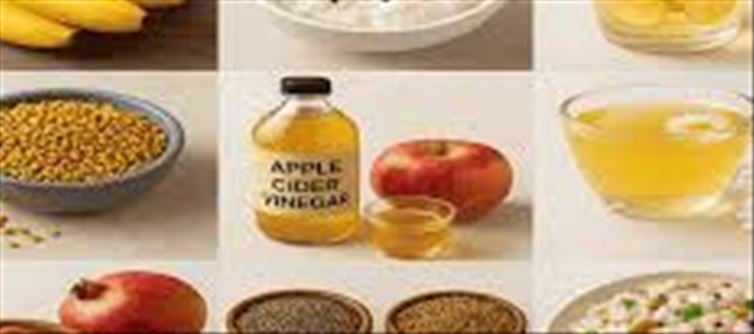
By the Numbers
- ₹1.5 lakh crore — value of India's wellness and self-care market in 2024 (RedSeer Strategy)
- 43% of HealthifyMe users shifted to pre-5:30 AM wake-ups in the past 12 months
- 74% surge in copper water bottle searches on Indian e-commerce (Unicommerce/Mint, Jan 2024–Mar 2025)
- 112% increase in engagement for India-origin wellness content, 2023–2025 (Emplifi)
Key Takeaways
- India's wellness market crossed ₹1.5 lakh crore in 2024, with morning-routine optimisation emerging as a distinct consumer segment for the first time, per RedSeer Strategy.
- 43% of HealthifyMe's Indian users shifted their wake-up time to before 5:30 AM over the past year — a structural, not seasonal, change in urban Indian behaviour.
- NIN Hyderabad's 2024 Dietary Guidelines formally endorsed fermented foods including curd rice for gut health, giving scientific backing to a centuries-old practice.
- Copper water bottle searches on Indian e-commerce platforms surged 74% between January 2024 and March 2025, according to Unicommerce data shared with Mint.
- Clinical nutritionists say the real benefit of ancestral morning routines is structure and decision-fatigue reduction, not the specific detox claims made by influencers.
- India-origin wellness content saw 112% higher engagement on social media between 2023 and 2025, outpacing fitness and fashion, per Emplifi analytics.
Frequently Asked Questions
Is drinking water from a copper vessel in the morning scientifically proven to be healthy?
Copper's oligodynamic effect — its ability to kill certain bacteria in stored water — is supported by peer-reviewed research, including a 2012 study in the Journal of Health, Population and Nutrition. However, claims that copper water alkalises the body or provides meaningful copper supplementation at normal consumption levels are not supported by clinical evidence.
Why are so many urban Indians waking up before 5 AM in 2025?
According to HealthifyMe data reported by The Economic Times, 43% of Indian users shifted to pre-5:30 AM wake-ups, driven by post-pandemic health consciousness, the influence of wellness creators promoting Ayurvedic morning routines, and circadian-biology research popularised by figures like Andrew Huberman.
Is curd rice a healthy breakfast option according to Indian dietary guidelines?
Yes. The National Institute of Nutrition (NIN), Hyderabad, in its updated 2024 Dietary Guidelines for Indians, endorsed fermented foods including fermented rice and traditional buttermilk as beneficial for gut microbiota, giving formal scientific backing to curd rice as a breakfast choice.
What is oil pulling and does it actually work?
Oil pulling involves swishing cold-pressed oil (usually coconut or sesame) in the mouth for 15-20 minutes. While some evidence suggests oral-hygiene benefits, the American Dental Association has found no reliable evidence for claims that oil pulling draws systemic toxins from the body through the oral mucosa.
How big is India's wellness market in 2025?
According to RedSeer Strategy's 2024 report, India's wellness and self-care market crossed ₹1.5 lakh crore, registering a near 20% year-on-year increase, with morning-routine products and services emerging as a distinct consumer segment.
 click and follow Indiaherald WhatsApp channel