


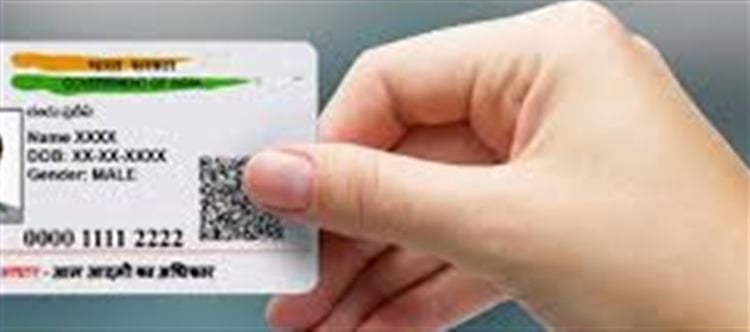

The Aadhaar card is a 12-digit unique identity number issued by the Unique Identification Authority of india (UIDAI) to residents of India. It serves as proof of identity and address across the country. However, not everyone is eligible to obtain an Aadhaar card. Understanding the eligibility criteria is crucial for both applicants and institutions that verify Aadhaar details.
1. Who Can Get an Aadhaar Card?
Aadhaar is available to all residents of india, regardless of age or gender, provided they meet certain requirements.
a) Residents of India
To apply for an Aadhaar card, the applicant must be a resident of India. According to uidai, a resident is someone who has lived in india for 182 days or more in the 12 months preceding the date of application.
b) All Age Groups
Children: Aadhaar can be issued to children, including infants. For children under 5, biometrics (fingerprints and iris scans) are not mandatory, but their demographic information is recorded.
Adults: Individuals above 5 years are required to provide both demographic and biometric information during enrolment.
c) Proof of Identity and Address
Applicants must provide valid documents as proof of identity and address. Common documents include:
Passport
Voter ID card
Ration card
Driving license
Birth certificate
UIDAI maintains a full list of accepted documents, which may vary slightly depending on the age of the applicant.
2. Who Cannot Get an Aadhaar Card?
While Aadhaar aims to be universal, there are certain individuals who are not eligible:
a) Non-Residents of India
Individuals living outside india or who have not completed the 182-day residency requirement cannot apply for Aadhaar.
b) Foreign Nationals
Foreign citizens, even if staying in india temporarily, are not eligible for Aadhaar. They must rely on other identity documents like passports or OCI cards.
c) people Without Valid Documents
Applicants who cannot provide valid proof of identity and address are not eligible for Aadhaar enrolment. uidai does not allow Aadhaar issuance without proper documentation.
d) Minors Without Parental/Guardian Consent
Children under 5 require parental or guardian consent for enrolment. Without such consent, Aadhaar cannot be issued to minors.
3. Special Cases
a) Children and Infants
Children’s Aadhaar cards are linked to the parent or guardian’s Aadhaar. Biometrics are optional for children under 5 and updated at age 5 and 15.
b) Residents in Remote or Underserved Areas
UIDAI conducts special enrolment drives in remote areas to ensure all eligible residents can obtain Aadhaar, but individuals must still meet the basic eligibility criteria.
4. Importance of Knowing Eligibility
Understanding who can or cannot get an Aadhaar card is important for:
Applicants – to avoid rejection of enrolment requests
Government agencies – to verify identity accurately
Financial and service providers – to ensure Aadhaar-based KYC compliance
5. How to Apply for Aadhaar
Eligible residents can apply by:
Visiting the nearest Aadhaar enrolment center
Filling the enrolment form and providing documents
Completing biometric and demographic verification
Once verified, the Aadhaar number is issued, usually within 90 days.
The Aadhaar system is designed to provide a universal identity for residents of India. By understanding the eligibility criteria, applicants can ensure smooth enrolment while authorities maintain accurate and secure identity records.
Disclaimer:
The views and opinions expressed in this article are those of the author and do not necessarily reflect the official policy or position of any agency, organization, employer, or company. All information provided is for general informational purposes only. While every effort has been made to ensure accuracy, we make no representations or warranties of any kind, express or implied, about the completeness, reliability, or suitability of the information contained herein. Readers are advised to verify facts and seek professional advice where necessary. Any reliance placed on such information is strictly at the reader’s own risk.
 click and follow Indiaherald WhatsApp channel