
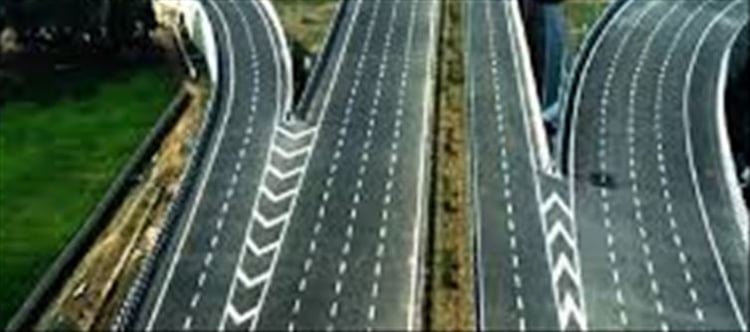


The Ganga Expressway, one of Uttar Pradesh’s major infrastructure projects, is expected to transform road travel by connecting key regions with a high-speed corridor. Along with faster travel, one of the most discussed topics is its toll system—especially whether annual passes will be available and how toll payments will work.
Here’s a clear breakdown.
What Is the ganga Expressway?
The ganga Expressway is a major expressway project in Uttar Pradesh designed to:
- Improve east–west road connectivity
- Reduce travel time between major cities and towns
- Support freight and passenger movement
- Boost regional economic development
Once operational, it will be one of the longest expressways in the state.
How Toll Collection Is Expected to Work
Like most modern expressways in India, toll collection on the ganga Expressway will likely follow a cashless and electronic system.
Expected methods include:
- FASTag-based toll deduction
- Automatic Number Plate Recognition (ANPR) systems (in future phases)
- Barrier-based toll plazas (initial phase)
The focus is on reducing waiting time and ensuring smooth traffic flow.
Will Annual Passes Be Available?
This is one of the most frequently asked questions.
Current understanding:
- As of now, there is no officially confirmed universal annual pass system specifically for the ganga Expressway
- However, expressway authorities may consider:
- Monthly passes
- Frequent-user concessions
- Commercial vehicle packages
What is more likely:
- Toll will primarily be pay-per-use via FASTag
- Special passes, if introduced, will likely be limited to:
- Local commuters
- Government vehicles
- Commercial fleet operators
How Toll Charges Are Usually Decided
Toll rates on expressways depend on:
- Length of travel distance
- Type of vehicle (car, bus, truck, etc.)
- Maintenance and construction cost recovery
- Traffic volume projections
So, heavier vehicles pay more, while private cars pay comparatively less.
Will Travel Become Expensive?
Not necessarily.
While toll adds to travel cost:
Benefits you get:
- Faster travel time
- Better road safety
- Reduced fuel consumption due to smooth roads
- Less wear and tear on vehicles
In many cases, fuel savings and time saved can offset toll expenses.
FASTag Will Be Mandatory
Like all major indian highways, the expressway is expected to rely heavily on:
FASTag
Key points:
- Mandatory for toll payments
- Linked to bank accounts or prepaid wallets
- Enables automatic deduction without stopping at toll booths
Possible Future Developments
As the expressway becomes operational, we may see:
- Dynamic toll pricing (based on traffic conditions)
- Discount schemes for frequent users
- Integration with smart traffic systems
- Fully barrier-free tolling in later stages
Final Thoughts
The ganga Expressway is designed to make long-distance travel faster and more efficient, and its toll system will likely follow a digital, FASTag-based model. While a dedicated annual pass system is not confirmed yet, users can expect flexible tolling options in the future depending on demand and policy updates.
For now, planning travel with FASTag readiness is the most practical step.
Disclaimer:
The views and opinions expressed in this article are those of the author and do not necessarily reflect the official policy or position of any agency, organization, employer, or company. All information provided is for general informational purposes only. While every effort has been made to ensure accuracy, we make no representations or warranties of any kind, express or implied, about the completeness, reliability, or suitability of the information contained herein. Readers are advised to verify facts and seek professional advice where necessary. Any reliance placed on such information is strictly at the reader’s own risk.
 click and follow Indiaherald WhatsApp channel