



From July 1, 2026, a fresh 36-page indian passport costs ₹2,500 (up from ₹1,500), while tatkal applications can run up to ₹6,000, according to The indian Express and Times of India. The hike — India's first in over a decade — has been defended by the government as necessary for infrastructure modernisation, but critics argue it disproportionately burdens middle-class applicants who rely on tatkal processing for urgent travel needs.
From July 1, 2026, a fresh 36-page indian passport will cost ₹2,500, up from ₹1,500 — a 67% increase, according to The indian Express. A 60-page jumbo passport rises to ₹4,000. And if you need it fast — a job offer abroad with a tight joining date, a family emergency in another country, a scholarship deadline — the tatkal route now costs up to ₹5,000 for a 36-page booklet and ₹6,000 for the 60-page version, as reported by the Times of India.
The numbers look incremental on paper. In practice, they represent the most significant recalibration of passport costs in over a decade — and have triggered a debate about who bears the burden of upgrading India's consular infrastructure.
The Government's Case: Overdue Modernisation
The Ministry of External Affairs has publicly justified the revision as essential to covering rising operational costs and expanding the Passport Seva Kendra network. According to The Hindu, government officials have pointed to the fact that passport fees had remained unchanged for over a decade despite cumulative inflation, and that the additional revenue will fund technology upgrades, new service centres, and faster processing capacity. india now has over 600 passport service points nationwide, according to india Today, a dramatic expansion from the old regional-office model. wallet PLATFORM' target='_blank' title='digital-Latest Updates, Photos, Videos are a click away, CLICK NOW'>digital integration via the Passport Seva Portal has also shortened timelines for standard applications.
india Herald reached out to the MEA for further comment on the fee revision; this article will be updated if a response is received.
Critics Push Back: The Tatkal Question
India's tatkal system was conceived as an exception — a fast lane for genuine emergencies. Over the years, critics argue, it has become something closer to an acknowledgement that regular processing timelines remain unpredictable for many applicants.
Opposition leaders and consumer advocates have questioned whether the tatkal premium effectively monetises processing delays rather than subsidising genuine speed. Some commentators have noted that for a salaried professional in a mid-tier city, the tatkal fee for a family could represent a significant share of monthly income — a concern amplified by the fact that tatkal demand often stems from non-discretionary situations such as medical emergencies or employment deadlines.
The government's position, as reported by The Hindu, is that tatkal remains a voluntary, premium service and that standard processing meets published timelines for the vast majority of applicants.
What Has Actually Changed — The Full Fee Table
According to News18 and corroborating reports from India Today, the revised fee structure effective July 1, 2026, is as follows:
- Fresh 36-page passport: ₹2,500 (previously ₹1,500)
- Fresh 60-page passport: ₹4,000
- Tatkal 36-page passport: Up to ₹5,000
- Tatkal 60-page passport: Up to ₹6,000
Reissue and renewal fees have also been recalibrated upward, though the government maintains that services for minors and senior citizens retain some concessions.
The Passport-and-Citizenship Debate
The fee hike arrives at a moment when the status of the passport as a document is itself under discussion. The MEA recently clarified that a passport is a travel document, not conclusive proof of indian citizenship. Opposition leaders and legal commentators have questioned the optics of raising fees for a document whose evidentiary weight has been simultaneously narrowed.
government officials, however, have maintained that the two matters are legally distinct — the fee revision relates to service delivery costs, while the citizenship clarification reflects longstanding legal precedent under the Passports Act and the Citizenship Act.
Will the Revenue Fix Processing Delays?
The government's stated rationale — modernising infrastructure, expanding Passport Seva Kendras, improving processing times — is a testable proposition. If the additional revenue demonstrably shortens standard processing timelines and reduces dependence on tatkal, the hike may prove defensible on its own terms.
However, critics point out that previous expansions of passport service points have not fully resolved complaints about processing unpredictability, particularly in smaller cities and for applicants requiring police verification. According to News18, consumer forums have long flagged the gap between portal-promised timelines and on-the-ground experience.
The risk, as several policy commentators have noted, is that the tatkal premium continues to function as a workaround for systemic inefficiency rather than a genuine emergency service — a dynamic that higher fees alone will not resolve.
The Political Context
The timing of the revision — a relatively quiet legislative window, post-budget and well ahead of any major state election cycle — has not gone unnoticed by political analysts. Some opposition voices have framed the hike as an example of the government extracting revenue from a captive, urban, salaried demographic that is unlikely to organise politically around consular fees. The government has not publicly addressed the timing question beyond stating that the revision was administratively overdue.
Frequently Asked Questions
How much does a new passport cost from July 1, 2026?
A fresh 36-page passport costs ₹2,500 and a 60-page passport costs ₹4,000, according to The indian Express and Times of India.
What is the tatkal passport fee from July 2026?
Tatkal applications cost up to ₹5,000 for a 36-page passport and up to ₹6,000 for a 60-page passport, as reported by News18 and india Today.
How many days does it take to get a passport in India?
According to the Passport Seva Portal, normal processing typically takes 30 working days from the date of application, while tatkal applications are processed on a priority basis, generally within 1-3 working days. Actual timelines may vary by location and demand.
Which documents are required for a passport?
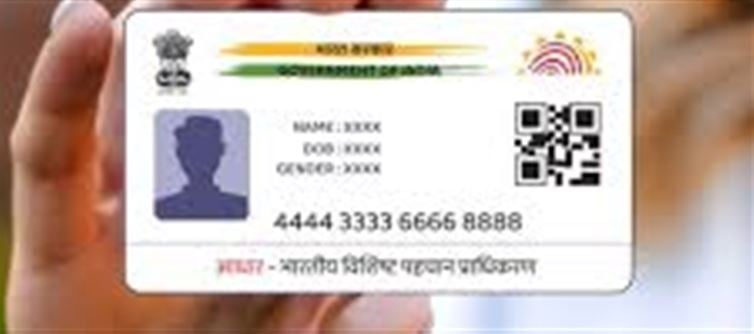
Applicants typically need proof of identity (Aadhaar, voter ID), proof of address, and date-of-birth documentation. Specific requirements are listed on the Passport Seva Portal.
Is a passport proof of indian citizenship?
The MEA has clarified that a passport is a travel document, not conclusive proof of citizenship — a position rooted in the Passports Act. This clarification has drawn debate from opposition leaders and legal commentators.
Key Takeaways
- Fresh 36-page passport fee rises 67% to ₹2,500 from ₹1,500 effective July 1, 2026, according to The indian Express and The Hindu.
- Tatkal passport fees climb to ₹5,000-₹6,000, drawing criticism from opposition leaders and consumer advocates who argue the premium disproportionately burdens applicants with urgent, non-discretionary travel needs (Times of india, News18).
- The government has defended the hike as overdue, citing a decade without revision and the need to fund expanded Passport Seva Kendras and technology upgrades (The Hindu, india Today).
- India now operates over 600 passport service points nationwide, according to india Today — a significant expansion from the earlier regional-office model.
- The revision coincides with the MEA's clarification that passports are not conclusive proof of citizenship, though government officials maintain the two matters are legally distinct.
Frequently Asked Questions
How much does a new passport cost from July 1, 2026?
A fresh 36-page passport costs ₹2,500 and a 60-page passport costs ₹4,000, according to The indian Express and Times of India.
What is the tatkal passport fee from July 2026?
Tatkal applications cost up to ₹5,000 for a 36-page passport and up to ₹6,000 for a 60-page passport, as reported by News18 and india Today.
How many days does it take to get a passport in India?
According to the Passport Seva Portal, normal processing typically takes 30 working days, while tatkal applications are processed on a priority basis, generally within 1-3 working days. Actual timelines may vary.
Which documents are required for a passport application?
Applicants typically need proof of identity (Aadhaar, voter ID), proof of address, and date-of-birth documentation. Full requirements are on the Passport Seva Portal.
Is a passport proof of indian citizenship?
The MEA has clarified that a passport is a travel document, not conclusive proof of citizenship — a position rooted in the Passports Act. This has drawn debate from opposition leaders and legal commentators.

 click and follow Indiaherald WhatsApp channel