


-

amar
-
April
-
Avatar
-
bharani
-
BUSINESS
-
Car
-
Chana Dal
-
Chinese traditional religion
-
Christianity
-
Dargah Sharif
-
District
-
diya
-
Ghee
-
hari
-
HEALTH
-
Heart
-
Hinduism
-
House
-
India
-
Indian
-
Industries
-
Industry
-
Islam
-
June
-
lakshmi
-
Lakshmi Devi
-
lotus
-
Maharashtra
-
Mantra
-
marriage
-
mohini
-
Narasimha
-
oil
-
prasanna
-
Press
-
ram pothineni
-
READ
-
Romantic
-
Service
-
shravan
-
skanda
-
Smart phone
-
Supreme
-
temple
-
Turmeric
-
Vaishno Devi
-
vishnu
-
Yoga

Aashada Maas, beginning june 29, is the holy month dedicated to Lord Vishnu's cosmic rest — Devshayani Ekadashi marks the day He sleeps on the serpent Shesha. Hindu tradition holds that no auspicious ceremonies should start during this period. Each rashi is urged to observe specific prayers, fasts, and acts of devotion to navigate the month's spiritual intensity.
There is a particular hush that settles over a Hindu household when Aashada arrives — the calendar goes still, the pandit's phone stops ringing with muhurat requests, and grandmothers issue the annual decree with quiet finality: nothing new starts this month. No wedding. No house. No gold. Not even a new business card, if grandma is strict enough.
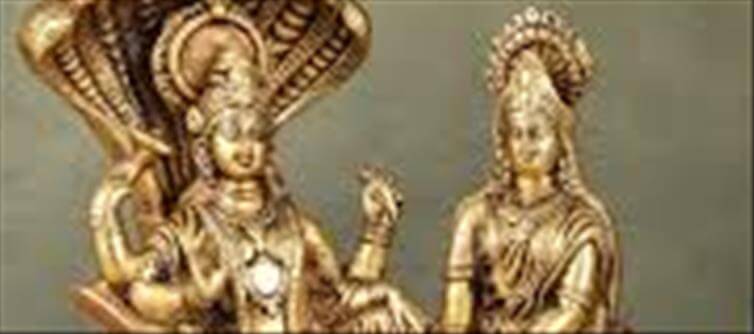
Beginning june 29, Aashada Maas unfolds as the most spiritually loaded month of the Hindu calendar — the month when Lord Vishnu, the preserver of the cosmos, closes His divine eyes and descends into yoga Nidra upon the coils of the serpent Shesha. According to the Padma Purana and the Bhagavata Purana, this cosmic sleep commences on Devshayani Ekadashi (also called hari Shayani Ekadashi), the eleventh day of the bright half of Aashada, and does not end until Prabodhini Ekadashi in Kartik — a full four months later, the period known as Chaturmas.
For millions of indian families, Aashada is not merely a religious abstraction. It is the month the wedding industry pauses, real estate deals stall, and even car showrooms in smaller towns report a measurable dip. According to cultural reporting by Dainik Jagran and regional outlets, marriage bookings during Aashada and the broader Chaturmas period drop dramatically across North and Central india, with pandits advising families to wait for the auspicious windows of Kartik or Margashirsha instead.
Why Does Lord vishnu Sleep — and Why Should You Care?
The deeper question is one most rashifal columns skip entirely. The Puranic narrative is not about a tired deity taking a nap — it is a cosmological metaphor for cyclical withdrawal. Just as the monsoon forces the earth to pause, soak, and regenerate before the harvest, Vishnu's sleep signals a cosmic interval of reflection over action. The skanda Purana explicitly links Aashada to tapas — austerity, inner heat, the spiritual discipline that transforms rather than the worldly achievement that accumulates.
This is the insight the typical rashifal roundup misses: Aashada is not a month of restriction but of redirection. The energy that would flow outward into new ventures, celebrations, and acquisitions is turned inward — toward japa, charity, vishnu sahasranama recitation, and self-examination. According to traditional jyotish practitioners cited in amar Ujala's annual Aashada coverage, each rashi experiences this inward pull differently, and the wise devotee works with the current, not against it.
Your Rashi Guide: What Each Zodiac Should Do Before and During Aashada Maas
Mesh (Aries): The fiery ram chafes at pause. Channel restless energy into Vishnu mantra chanting — particularly the Narayana Ashtakshara mantra. Avoid initiating legal disputes. Donate yellow cloth or turmeric on Ekadashi.
Vrishabh (Taurus): Financial matters demand patience this month. Postpone major investments. Offer ghee lamps at a vishnu temple every Thursday. The sacred tulsi plant placed at home attracts Lakshmi's protective gaze during Vishnu's sleep.
Mithun (Gemini): Communication mishaps peak for this rashi. Observe silence (mauna vrat) on Devshayani Ekadashi. Recite vishnu Sahasranama at dawn. Avoid signing contracts until shravan begins.
Kark (Cancer): The moon-ruled crab feels Aashada deeply — emotional tides run high. Light a diya with sesame oil at twilight. Fasting on Ekadashi is especially potent for Kark natives, according to traditional jyotish prescriptions documented by Panchang-based almanacs.
Simha (Leo): Pride will be tested. Perform acts of anonymous charity — feeding Brahmins or distributing food at temples. Wear a yellow sapphire only after consulting your jyotishi. Chant Om Namo Narayanaya 108 times daily.
Kanya (Virgo): health deserves focus. Eat sattvic food throughout the month. Visit a Padmanabhaswamy or Ranganatha temple if possible. Offer lotus flowers to vishnu on Thursdays.
Tula (Libra): Relationships may feel strained as vishnu withdraws balancing energy. Recite Rama Raksha Stotra daily. Avoid starting new romantic relationships. Donate white items — rice, sugar, milk — on Ekadashi.
Vrishchik (Scorpio): Hidden matters surface. Use the month for inner audit, not external confrontation. read the vishnu Purana's chapters on dharma. Perform Tulsi puja at home.
Dhanu (Sagittarius): Jupiter's children benefit most from Aashada's tapas energy. Begin a 40-day sankalpa on Devshayani Ekadashi. Study sacred texts. Donate books and educational materials.
Makar (Capricorn): Career ambitions must wait — plant seeds, do not harvest. Observe Ekadashi vrat strictly. Offer yellow flowers and chana dal at vishnu temples. According to jyotish tradition, Makar natives who perform vishnu archana during Aashada receive delayed but powerful professional rewards after Chaturmas.
Kumbh (Aquarius): Social energy dips. Redirect it into seva — community service and temple volunteering. Chant the narasimha Kavacham for protection. Avoid unnecessary travel during Aashada's first week.
Meen (Pisces): The most spiritually receptive rashi during Vishnu's sleep month. Meditate on the vishnu Dhyana Shloka at dawn and dusk. This is the month to deepen your sadhana practice. Donate to water-related charities — the monsoon connection amplifies this karma.
Devshayani Ekadashi: The Hinge of the Sacred Month
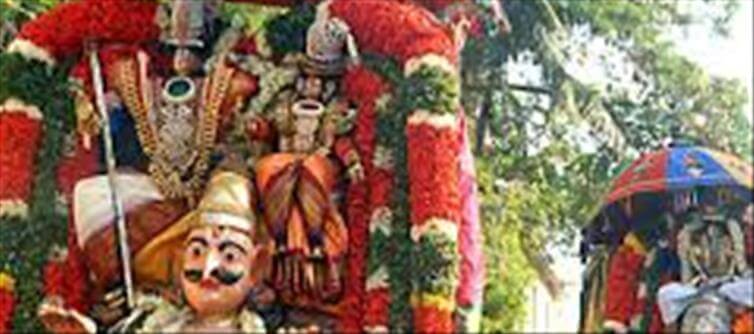
If Aashada is the temple, Devshayani Ekadashi is its sanctum. According to the Padma Purana, Lord vishnu declared this Ekadashi supreme among all fasting days, promising that devotees who observe it with sincerity — abstaining from grains, maintaining wakefulness through the night in kirtan or reading — accrue the merit of all four months of Chaturmas in a single day. Temples at Pandharpur in maharashtra see the famous Ashadhi Ekadashi wari, where lakhs of Warkari pilgrims walk hundreds of kilometres to reach Lord Vitthal — an avatar of Vishnu — on this very day, according to extensive coverage by Loksatta and maharashtra Times over decades.
The number is staggering: an estimated 8-10 lakh devotees participate in the Pandharpur wari annually, according to district administration figures reported in indian Express. That is not a ritual. That is a civilisation pressing pause to listen for the divine heartbeat beneath the monsoon rain.
The Real Lesson Aashada Teaches Your Horoscope
Here is the part the algorithm-driven rashifal mills will not tell you: Aashada is the only month in the Hindu calendar that explicitly asks every rashi to stop wanting. Not to want better — to stop wanting altogether, temporarily, and see what remains. The cosmic logic is elegant: when the Preserver sleeps, preservation itself is on hold. What survives this month without Vishnu's active gaze is what is truly yours — your faith, your relationships, your discipline. Everything else was borrowed.
That may be the most useful horoscope advice you receive all year. Not which stock to buy or which colour to wear — but the ancient, unsettling, freeing invitation to discover what stays when you stop grasping.
As the first monsoon clouds thicken and Aashada's sacred clock begins ticking on june 29, the question is not whether your rashi will survive the pause. It always does. The question is whether you will use the pause, or merely endure it.
More from india Herald
Key Takeaways
- Aashada Maas begins june 29, marking Lord Vishnu's yoga Nidra — no new auspicious ceremonies are traditionally started during this month, according to Puranic texts.
- Devshayani Ekadashi, falling in the bright half of Aashada, is considered the most powerful fasting day of the year, with 8-10 lakh Warkari pilgrims walking to Pandharpur annually.
- Each zodiac sign (rashi) has specific Aashada prescriptions — from mantra chanting and Ekadashi vrats to charity and sattvic diet — aligned with traditional jyotish guidance.
- Chaturmas, the four-month period of Vishnu's sleep, traditionally pauses weddings, griha pravesh, and major purchases across much of India.
- The spiritual logic of Aashada is redirection, not restriction — inward tapas replaces outward ambition, making it a month of self-examination for all rashis.
Frequently Asked Questions
When does Aashada Maas start in 2025?
Aashada Maas begins on june 29, 2025, according to the Hindu Panchang calendar.
Why is Aashada considered inauspicious for weddings?
According to Puranic tradition, Lord vishnu enters yoga Nidra (cosmic sleep) during Aashada, rendering the month and the subsequent Chaturmas period inauspicious for new worldly beginnings including marriages, griha pravesh, and major purchases.
What is Devshayani Ekadashi and why is it important?
Devshayani Ekadashi falls in the bright half of Aashada Maas and marks the day Lord vishnu begins His cosmic sleep. According to the Padma Purana, observing this fast with sincerity yields the spiritual merit of the entire four-month Chaturmas period.
What should each zodiac sign do during Aashada Maas?
Traditional jyotish guidance prescribes rashi-specific devotional acts — from Vishnu mantra chanting and Ekadashi fasting to charity and sattvic diet. Each sign is advised to redirect outward energy inward through specific prayers and restraints during the sacred month.
How long does Lord Vishnu's sleep last?
Lord Vishnu's yoga Nidra lasts four months (Chaturmas) — from Devshayani Ekadashi in Aashada to Prabodhini Ekadashi in Kartik, according to the Bhagavata Purana and Padma Purana.
 click and follow Indiaherald WhatsApp channel