


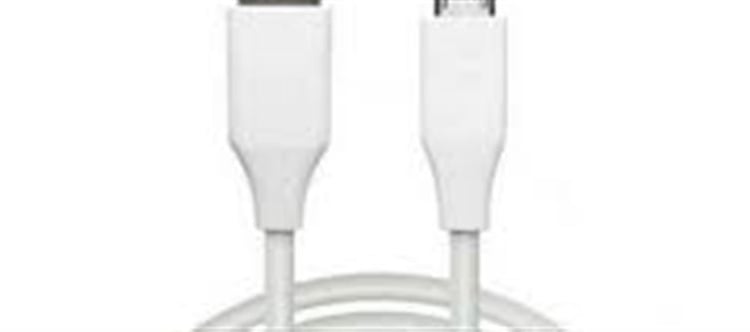

In recent years, smartphone packaging has undergone a significant change. From including chargers and earphones in the box, companies have slowly started stripping away accessories to reduce costs and environmental impact. The latest move in this trend is USB cables being excluded from the box altogether. And now, one prominent smartphone company has taken the plunge, signaling a major shift in the way we purchase and use smartphones.
1. The End of an Era: No More USB Cables in the Box
There was a time when USB cables were a standard part of the smartphone packaging. But just as chargers have been phased out in many new models, USB cables are now following suit. One major smartphone brand has already started selling phones without the USB cable in the box. So, what’s driving this decision?
2. Why Are Companies Doing This?
Several reasons are behind this significant move:
· Cost Cutting: With increasing production costs, smartphone companies are looking to save money on packaging. By removing items like the USB cable, they can lower costs, which could help keep prices competitive.
· Environmental Impact: In an effort to reduce electronic waste, some companies argue that many consumers already have extra USB cables lying around. This step is being positioned as an eco-friendly initiative, reducing the need for redundant cables and materials.
· Encouraging Standardization: As many smartphones now use USB Type-C or wireless charging, removing cables from the box could be an effort to encourage consumers to adopt universal accessories that are compatible across various devices.
3. Which Company is Leading the Charge?
Apple was one of the first companies to remove the charger from the box with its iPhone 12. However, it looks like the trend is catching on, as other companies are following suit. The removal of USB cables might be the next step, and industry insiders expect that Android manufacturers will soon do the same.
4. How Will This Affect Consumers?
While this change may make sense from a business and environmental standpoint, it could be frustrating for consumers, especially those who:
· Don’t Have Spare Cables: Not every consumer has extra USB cables at home, particularly those who are upgrading from older devices or first-time smartphone buyers.
· Are Used to Convenience: Many consumers have become accustomed to having everything included in the box—charger, earphones, and cables. This new shift could feel like an inconvenience, forcing users to purchase cables separately.
· Need to Buy Accessories: Those who are buying a phone for the first time or upgrading from an older model may need to buy accessories like USB cables and chargers separately, adding extra costs.
5. What Does This Mean for the Future of Smartphone Packaging?
This trend is likely to become the new norm in the smartphone industry. Many tech companies are continuously looking for ways to cut costs, increase profits, and reduce environmental footprints, and minimalist packaging could be the solution.
6. Should You Be Worried About Compatibility?
The good news is that the USB Type-C port has become a standard across most modern smartphones. This means that cables from other devices (like laptops or other electronics) are likely to work with your phone, so long as they’re USB Type-C compatible.
· Universal USB Cables: As more devices adopt the USB Type-C standard, the need for proprietary cables has diminished, so the removal of cables might not cause much inconvenience for tech-savvy users.
· Wireless Charging: Another factor to consider is wireless charging, which is increasingly becoming more common. Some consumers may find that they don’t need a cable at all if their phone supports wireless charging.
7. Is This Trend a Good Thing?
There are pros and cons to this change:
Pros:
· Environmental Benefit: Reducing waste by not including items like cables that many consumers already own.
· Cost Savings: Lowering production costs for companies could translate to lower prices for consumers (or at least help keep prices stable).
Cons:
· Inconvenience: For many consumers, especially those who don’t already have spare cables, it’s an inconvenience.
· Additional Expenses: Consumers may need to purchase accessories separately, adding to the overall cost of their device.
8. What Can You Do?
If you’re planning to buy a new phone and it doesn't include a USB cable or charger:
· Check Your Existing Accessories: If you have other phones or devices, you might already have compatible cables lying around.
· Buy a Compatible Cable: If you don’t have a compatible cable, you’ll need to buy one separately. Make sure it’s a USB Type-C cable if your phone supports it.
· Consider Wireless Charging: If your phone supports it, you might opt for wireless charging, which eliminates the need for a cable altogether.
9. Conclusion: A New Reality in Smartphone Shopping
The decision to remove USB cables from smartphone packaging is part of a larger trend towards minimalism and eco-conscious consumerism. While it’s undoubtedly a shift in how we buy smartphones, it also encourages consumers to think more about what they already have and how they can minimize waste.
So, the next time you upgrade your phone, don’t be surprised if your new device comes without the usual accessories—be prepared to buy them separately or repurpose the ones you already have!
Disclaimer:
The views and opinions expressed in this article are those of the author and do not necessarily reflect the official policy or position of any agency, organization, employer, or company. All information provided is for general informational purposes only. While every effort has been made to ensure accuracy, we make no representations or warranties of any kind, express or implied, about the completeness, reliability, or suitability of the information contained herein. Readers are advised to verify facts and seek professional advice where necessary. Any reliance placed on such information is strictly at the reader’s own risk..jpg)
 click and follow Indiaherald WhatsApp channel