


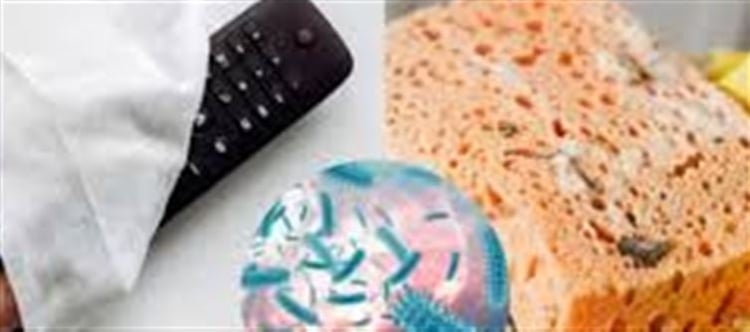

We often associate toilets with germs and bacteria, but the truth is, many everyday household items are even more contaminated. Experts reveal that some commonly used objects can harbor harmful bacteria, posing health risks if not cleaned regularly. Here’s a closer look at five surprising culprits.
1. Kitchen Sponges and Dishcloths
Why they’re dirty: Constant exposure to food particles, moisture, and warmth makes sponges and dishcloths a breeding ground for bacteria like E. coli and Salmonella.
Tip: Replace sponges every 1–2 weeks, disinfect by microwaving damp sponges for 1–2 minutes, and wash dishcloths in hot water regularly.
2. Cutting Boards
Why they’re risky: raw meat, fish, and vegetables leave behind bacteria, especially on wooden or plastic boards. Cross-contamination can lead to foodborne illnesses.
Tip: Use separate boards for meat and vegetables, scrub with hot soapy water, and periodically sanitize with vinegar or diluted bleach.
3. Kitchen Sink Drains
Why they’re dirty: Food debris and moisture in drains attract bacteria and mold. Surprisingly, these areas can house more germs than a toilet seat.
Tip: Clean sinks with hot water and antibacterial cleaners. Pouring boiling water down the drain regularly helps kill bacteria.
4. Smartphone Screens
Why they’re risky: Phones are constantly touched and rarely cleaned. Studies show that they carry ten times more bacteria than a toilet seat, including Staphylococcus aureus.
Tip: Wipe screens daily with alcohol-based wipes and avoid using phones while cooking or eating.
5. Kitchen Towels and Napkins
Why they’re contaminated: Like sponges, towels remain damp and come in contact with food. They can spread bacteria to clean dishes or hands.
Tip: Wash towels and reusable napkins in hot water frequently. Consider using disposable paper towels when handling raw foods.
Bonus Tip: Refrigerator Handles and Light Switches
Though often overlooked, frequently touched surfaces like fridge handles, cabinet knobs, and light switches can harbor bacteria from hands, food, and pets.
Tip: Wipe these surfaces weekly with disinfectant wipes to reduce bacterial load.
Key Takeaways
Germs aren’t confined to toilets — everyday household items like sponges, cutting boards, and phones can carry more harmful bacteria.
Regular cleaning, sanitizing, and proper storage are essential to keep your home safe.
Simple habits like washing hands, cleaning surfaces, and rotating sponges/towels go a long way in preventing illness.
Disclaimer:
The views and opinions expressed in this article are those of the author and do not necessarily reflect the official policy or position of any agency, organization, employer, or company. All information provided is for general informational purposes only. While every effort has been made to ensure accuracy, we make no representations or warranties of any kind, express or implied, about the completeness, reliability, or suitability of the information contained herein. Readers are advised to verify facts and seek professional advice where necessary. Any reliance placed on such information is strictly at the reader’s own risk.
 click and follow Indiaherald WhatsApp channel