



Bharti Airtel has introduced what it claims to be India’s first fully-managed zero Trust security solution, marking a significant step in the country’s enterprise cybersecurity landscape.
The offering is designed to help businesses strengthen wallet PLATFORM' target='_blank' title='digital-Latest Updates, Photos, Videos are a click away, CLICK NOW'>digital security in environments where workforces, data, and applications are increasingly distributed across cloud and hybrid systems.
What the Announcement Is About
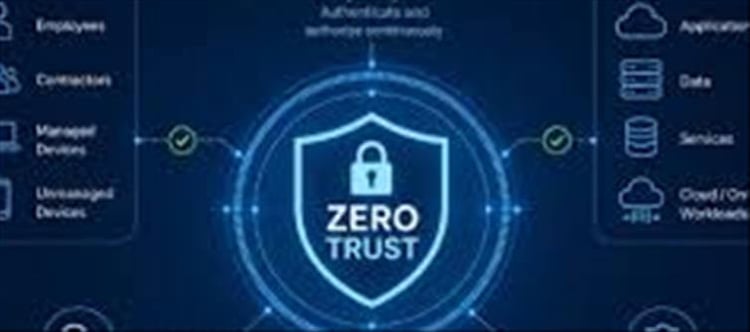
The new solution is based on the cybersecurity approach known as Zero Trust security model, which operates on a simple but strict principle:
“Never trust, always verify.”
Instead of assuming users or devices inside a corporate network are safe, zero Trust continuously validates identity, device security, and access conditions before allowing entry to systems or applications.
What Makes Airtel’s Solution “Fully-Managed”
The key highlight of Airtel’s offering is that it is fully managed, meaning enterprises do not need to build or maintain the security infrastructure themselves.
In practice, this typically includes:
Centralized identity and access management
Continuous authentication and authorization
Secure access to cloud and on-premise applications
Device and endpoint security validation
Real-time monitoring and policy enforcement
Managed threat detection and response support
This approach reduces the burden on internal IT teams while improving security consistency across the organization.
Why zero Trust Is Becoming Important
The zero Trust model is gaining global adoption because traditional network security approaches are no longer sufficient. Modern enterprise environments face challenges such as:
Remote and hybrid workforces
Cloud-based application usage
Increased cyberattacks targeting credentials
Complex multi-device access environments
Zero Trust addresses these risks by ensuring that every access request is verified, regardless of where it originates.
Strategic Importance for India
For indian enterprises, this launch reflects a growing demand for integrated cybersecurity solutions, especially in sectors like:
Banking and financial services
IT and software companies
Healthcare and pharmaceuticals
Manufacturing and large enterprises
By offering a managed service, airtel is positioning itself not just as a connectivity provider, but also as a digital infrastructure and security partner.
Broader industry Trend
Globally, telecom and cloud service providers are expanding into cybersecurity because enterprises prefer bundled solutions that combine:
Network connectivity
Cloud access
Security management
This convergence reduces complexity and improves overall resilience against cyber threats.
Conclusion
Airtel’s fully-managed zero Trust solution signals a shift toward simplified, enterprise-grade cybersecurity services in India. As organizations continue to adopt cloud-first and remote work models, demand for such unified security frameworks is expected to grow significantly.
Disclaimer:
The views and opinions expressed in this article are those of the author and do not necessarily reflect the official policy or position of any agency, organization, employer, or company. All information provided is for general informational purposes only. While every effort has been made to ensure accuracy, we make no representations or warranties of any kind, express or implied, about the completeness, reliability, or suitability of the information contained herein. Readers are advised to verify facts and seek professional advice where necessary. Any reliance placed on such information is strictly at the reader’s own risk.
 click and follow Indiaherald WhatsApp channel