


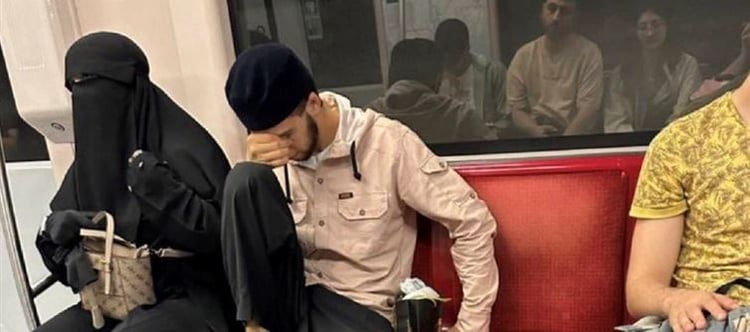

The controversy over a photo of a crowded metro in a european city, largely populated by visibly Muslim passengers, underscores the anxieties many people have about demographic and cultural change. These concerns are often rooted in a fear of losing national identity, values, or social cohesion amid rising immigration. It’s important to acknowledge that discomfort with rapid change—especially when tied to language, dress, or behavior that feels unfamiliar—is not inherently racist. people have a right to discuss integration, national identity, and cultural continuity without being dismissed out of hand.
However, there’s a crucial distinction between expressing concern about integration and crossing into prejudice. When images like this are circulated with alarmist or dehumanizing commentary, they risk promoting stereotypes and fostering division. The presence of Muslims—or any visible minority—in public spaces is not in itself a problem. What matters is behavior, values, and whether individuals of all backgrounds are contributing to and respecting the shared norms of the society they live in. Equating visible religious identity with societal decline or danger is not only unfair but also counterproductive to building cohesive, pluralistic societies.
It’s valid to debate the pace and policies of immigration or to question how well integration is functioning in certain contexts. But those debates must be grounded in facts, not fear. The goal should be to uphold shared democratic values—like freedom of religion, equality before the law, and civic responsibility—regardless of background. Instead of reacting with blanket suspicion or generalizations, a more constructive approach asks: are newcomers learning the language, participating in the economy, and respecting the laws and customs of the host country? That’s the basis of healthy integration, and it’s where attention should be focused.
However, there’s a crucial distinction between expressing concern about integration and crossing into prejudice. When images like this are circulated with alarmist or dehumanizing commentary, they risk promoting stereotypes and fostering division. The presence of Muslims—or any visible minority—in public spaces is not in itself a problem. What matters is behavior, values, and whether individuals of all backgrounds are contributing to and respecting the shared norms of the society they live in. Equating visible religious identity with societal decline or danger is not only unfair but also counterproductive to building cohesive, pluralistic societies.
It’s valid to debate the pace and policies of immigration or to question how well integration is functioning in certain contexts. But those debates must be grounded in facts, not fear. The goal should be to uphold shared democratic values—like freedom of religion, equality before the law, and civic responsibility—regardless of background. Instead of reacting with blanket suspicion or generalizations, a more constructive approach asks: are newcomers learning the language, participating in the economy, and respecting the laws and customs of the host country? That’s the basis of healthy integration, and it’s where attention should be focused.
 click and follow Indiaherald WhatsApp channel