



Background: supreme court Ruling & New Tariff
A 10% global tariff on imports into the united states has been implemented with immediate effect.
This action follows a US supreme court decision (6–3) that ruled the president lacks authority under the 1977 IEEPA (International Emergency Economic Powers Act) to impose broad import tariffs.
The court held that only congress, not the president alone, can grant such tariff powers — invalidating existing tariffs under IEEPA and potentially triggering refund claims of $130–$175 billion.
In response, President trump signed an executive order imposing the 10% tariff under Section 122 of the Trade Act of 1974, which allows emergency tariffs of up to 15% for balance-of-payments deficits.
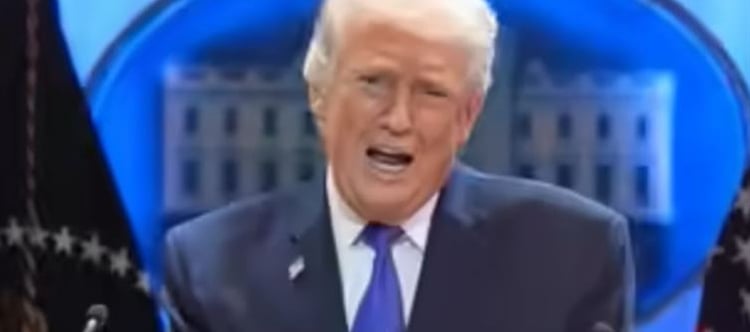
Trump criticized the court ruling as “appalling and ludicrous,” arguing it weakens US trade power.
Key Features of the New Tariff Regime
The 10% global tariff applies to all countries, including India.
It remains in effect until congress enacts new legal authorization.
The tariff does not replace existing sector-specific tariffs under:
Section 232 (national security tariffs on steel, aluminum, etc.)
Section 301 (tariffs on unfair trade practices, e.g., china tariffs)
Impact on India
India, as a major trading partner, will be subject to the 10% tariff on goods entering the US.
The previously negotiated tariff reductions with the US (e.g., an 18% reduction in reciprocal tariffs) are expected to be maintained but may be overridden or complicated by the new global 10% charge.
Indian exporters most affected could include:
Steel and aluminum products
Automobiles and auto parts
Textiles and apparel
Other manufactured goods
Trade & Economic Implications
Higher tariffs increase export costs, reducing price competitiveness in the US market.
Exporters may suffer lower demand, reduced margins, or shifts to alternate markets.
India–US trade negotiations may now need to address tariff layering and legal authority.
If you want, I can also create a shorter headline and subheadline for publication.
Disclaimer:
The information contained in this article is for general informational purposes only. While we strive to ensure accuracy, we make no warranties or representations of any kind, express or implied, about the completeness, accuracy, reliability, suitability, or availability of the content. Any reliance you place on the information is strictly at your own risk. The views, opinions, or claims expressed in this article are those of the author and do not necessarily reflect the official policy or position of any organization mentioned. We disclaim any liability for any loss or damage arising directly or indirectly from the use of this article.
 click and follow Indiaherald WhatsApp channel