


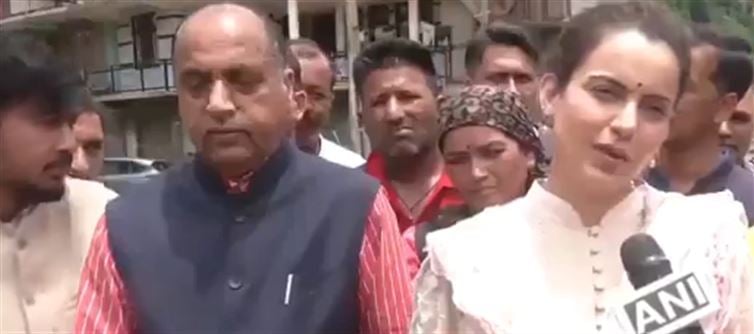

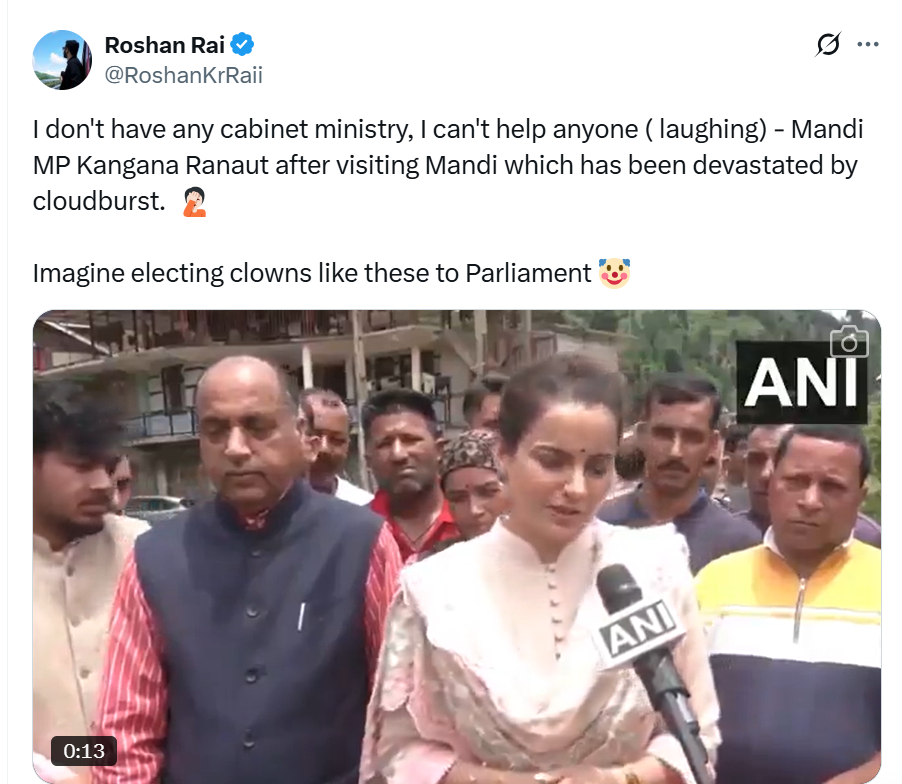
kangana Ranaut’s recent remarks during her visit to cloudburst-hit Mandi — “I don’t have any cabinet ministry, I can’t help anyone” — have sparked widespread backlash across social media and political circles. As the elected Member of parliament for Mandi and a representative of the ruling party, her words were seen not only as dismissive but also as a fundamental misunderstanding or neglect of her role and responsibility. While she may not hold a cabinet portfolio, her position as an mp comes with significant power to advocate for her constituency, especially in times of crisis. From influencing central agencies to coordinating with state officials, an mp is far from powerless in such situations.
The indian parliamentary system equips MPs with a range of tools to support their constituencies. The MPLAD (Members of parliament Local Area Development) funds, for example, allow MPs to recommend developmental work in their districts, including for disaster relief.
 Additionally, being part of the ruling party enables easier access to national disaster relief mechanisms like the NDRF (National Disaster Response Force) and NDMA (National Disaster Management Authority). A proactive mp can mobilize these resources, raise concerns in parliament, and push relevant ministries for timely action. To brush off the situation by citing a lack of cabinet status undermines the essence of parliamentary democracy and public service.
Netizens responded with visible disappointment, with many calling kangana Ranaut’s statement “shameful” and “irresponsible.” Several voters expressed regret over supporting her, branding her behavior as that of a “clown” rather than a serious public representative. In times of tragedy, constituents look to their elected officials for leadership, empathy, and initiative. Instead of standing as a beacon of hope during a crisis, such remarks have further alienated an already distressed public. The controversy serves as a reminder that public office demands not just visibility and rhetoric, but a sincere commitment to duty—something citizens increasingly expect from those they elect.
The indian parliamentary system equips MPs with a range of tools to support their constituencies. The MPLAD (Members of parliament Local Area Development) funds, for example, allow MPs to recommend developmental work in their districts, including for disaster relief.
Additionally, being part of the ruling party enables easier access to national disaster relief mechanisms like the NDRF (National Disaster Response Force) and NDMA (National Disaster Management Authority). A proactive mp can mobilize these resources, raise concerns in parliament, and push relevant ministries for timely action. To brush off the situation by citing a lack of cabinet status undermines the essence of parliamentary democracy and public service.Netizens responded with visible disappointment, with many calling kangana Ranaut’s statement “shameful” and “irresponsible.” Several voters expressed regret over supporting her, branding her behavior as that of a “clown” rather than a serious public representative. In times of tragedy, constituents look to their elected officials for leadership, empathy, and initiative. Instead of standing as a beacon of hope during a crisis, such remarks have further alienated an already distressed public. The controversy serves as a reminder that public office demands not just visibility and rhetoric, but a sincere commitment to duty—something citizens increasingly expect from those they elect.
 click and follow Indiaherald WhatsApp channel