



Cataract surgery is one of the most common and successful eye procedures, but post-surgery care is crucial for a smooth recovery and optimal vision. Diet plays a significant role in healing, reducing inflammation, and preventing complications. Certain foods and substances can interfere with recovery, so it’s important to know what to avoid.
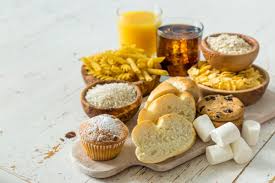
1. Foods High in Sugar
· Why to avoid: Excess sugar can increase inflammation and slow healing. It may also spike blood sugar levels, which can affect overall recovery, especially for diabetics.
· Examples to limit: Sweets, candies, pastries, sugary drinks, and desserts.
2. Processed and Junk Foods
· Why to avoid: Foods high in trans fats, refined carbs, and preservatives can increase inflammation and reduce nutrient absorption.
· Examples to limit: Fast food, packaged snacks, fried foods, instant noodles, and processed meats.
3. Excessively Salty Foods
· Why to avoid: High salt intake can lead to fluid retention, which may worsen post-surgical swelling around the eyes.
· Examples to limit: Pickles, salted nuts, chips, canned soups, and processed sauces.
4. Spicy and Oily Foods
· Why to avoid: Spicy and greasy foods can trigger acidity and indigestion, which may indirectly affect post-operative comfort. They can also contribute to mild swelling or irritation in sensitive patients.
· Examples to limit: Extra-hot curries, deep-fried snacks, and oily fast foods.
5. Alcohol
· Why to avoid: Alcohol can thin the blood, increasing the risk of bleeding or bruising at the surgical site. It can also dehydrate the body, slowing healing.
· Recommendation: Avoid alcohol for at least 1–2 weeks after surgery, or as advised by your ophthalmologist.
6. Caffeine (in Excess)
· Why to avoid: Excessive caffeine can elevate blood pressure, which might affect healing. It can also increase dryness or eye strain.
· Examples: Coffee, energy drinks, and certain sodas.
· Tip: Moderate your intake, especially in the first week after surgery.
7. Foods That May Cause Allergic Reactions
· Why to avoid: Allergic reactions can trigger eye inflammation, redness, or irritation.
· Examples: Shellfish, peanuts, certain preservatives or artificial colorings, if you are allergic.
8. Smoking and Tobacco Products
· Why to avoid: Nicotine reduces blood circulation and slows healing. Smoking also increases the risk of post-operative infections and complications.
· Tip: Avoid smoking completely during recovery.
9. raw or Unwashed Foods
· Why to avoid: raw or contaminated foods can introduce bacteria and increase the risk of infection after surgery.
· Examples: Unwashed fruits and vegetables, raw sprouts, or street food with uncertain hygiene.
Foods That Are Safe and Beneficial for Recovery
While avoiding the above, focus on nutrient-rich foods that support eye healing:
· Protein: Eggs, lean meat, fish, lentils, and dairy to support tissue repair.
· Vitamin C: Citrus fruits, bell peppers, and guava for collagen formation and wound healing.
· Vitamin A & Beta-carotene: Carrots, pumpkin, and leafy greens to support retinal health.
· Omega-3 Fatty Acids: Fatty fish, flaxseeds, chia seeds to reduce inflammation.
· Zinc: Nuts, seeds, and legumes for tissue repair and immune support.
Bottom Line
After cataract surgery, avoiding foods and substances that increase inflammation, swelling, or infection risk is essential for smooth healing. This includes high-sugar, salty, oily, spicy, and processed foods, alcohol, excessive caffeine, smoking, and raw/unwashed foods. Pairing these dietary precautions with proper eye care, medication, and hygiene will ensure a faster recovery and optimal vision outcomes.
Disclaimer:
The views and opinions expressed in this article are those of the author and do not necessarily reflect the official policy or position of any agency, organization, employer, or company. All information provided is for general informational purposes only. While every effort has been made to ensure accuracy, we make no representations or warranties of any kind, express or implied, about the completeness, reliability, or suitability of the information contained herein. Readers are advised to verify facts and seek professional advice where necessary. Any reliance placed on such information is strictly at the reader’s own risk.
 click and follow Indiaherald WhatsApp channel