



A Virus With a Deadly Reputation Is on the Move
As the world still remembers the havoc viral outbreaks can wreak, India is confronting another terrifying pathogen — one with no known cure, no vaccine, and a shockingly high fatality rate of up to 75% in past outbreaks*. This is not a fever story — this is Nipah Virus, and it has just appeared in West Bengal, confirmed by health officials amid growing alarm.
🦇 1. This Virus Isn’t Ordinary — It’s One of the Deadliest We Know
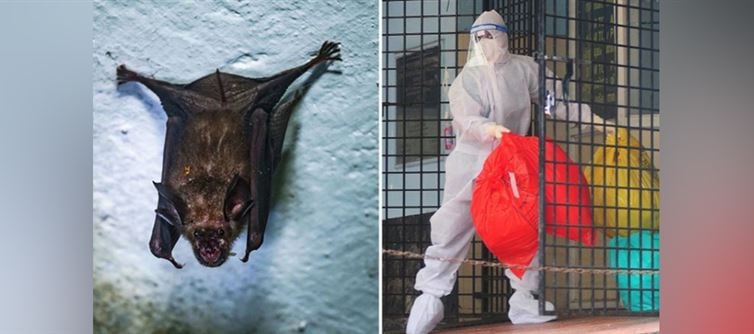
The Nipah virus (NiV) is a zoonotic pathogen — meaning it spreads from animals (especially fruit bats) to humans — and it can also spread from person to person. There’s no approved treatment or vaccine. Fatality rates in past outbreaks have ranged between 40% and 75%, depending on local response and strain.
This is not a cold — this is a brain-and-respiratory-attacking virus with catastrophic potential if uncontrolled.
🧪 2. Confirmed Cases Spark Emergency Response
As of January 23, 2026, health authorities in West bengal have confirmed 5 cases of Nipah virus infection, including healthcare workers, and nearly 100 close contacts have been placed under quarantine as containment efforts intensify.
That’s small in number — but huge in implications given the virus’s nature.
🏥 3. Hospital Spread Is Making Experts Nervous
Several of the confirmed cases were among medical professionals who treated earlier patients at a private hospital in Barasat, near Kolkata.
This is a classic pattern for NiV — once introduced in a clinical setting, nosocomial transmission (within healthcare facilities) becomes a serious risk.
🧠 4. No Cure, No Vaccine — Supportive Care Only
Unlike many viral illnesses that have antiviral therapies or preventative vaccines, Nipah has neither. Treatment is limited to supportive care — managing symptoms and keeping patients alive through the worst of it.
That means:
isolation of patients
monitoring contacts
supportive respiratory and neurological care
No magic pill yet exists.
🔄 5. Silent Symptoms Can Hide the Threat
Early signs of infection begin much like the flu — fever, headache, sore throat, and fatigue — but can quickly escalate into:
severe respiratory distress
encephalitis (brain inflammation)
confusion, seizures, coma
Many past outbreaks have shown rapid progression over days.
This stealth makes early detection tricky.
📍 6. fruit Bats Are Carrier Reservoirs — Everyday Contacts Can Risk Spread
The natural reservoirs for Nipah are fruit bats of the Pteropus species. Humans typically get infected through:
direct exposure to bats
Consumption of food contaminated by bat saliva/urine
contact with infected animals or people
This underscores how everyday rural interactions can be the spark — not exotic sources.
🌍 7. Not a Global Pandemic Yet — But Regional Concern Is Real
Several neighbouring countries have already taken notice. Travel health screenings and heightened surveillance are in place in parts of Asia following the outbreak news.
While experts still consider the risk of global spread low, vigilance is up.
📊 8. What Makes Nipah Especially Dangerous?
Unlike many viruses that become milder over time or adapt to human hosts, Nipah retains:
high fatality
brain involvement
potential person-to-person transmission
This combination makes it a pathogen that health agencies classify as a priority threat.
🔚 Final Word: Awareness Over Alarm
There’s no need for panic — yet. But there is a need for preparation, awareness, and swift action.
Nipah is not SARS-CoV-2 — its transmission dynamics differ — but its fatality risk is far higher. Knowing the symptoms, protecting healthcare workers, and containing the spread early are the best defenses.
Stay informed. Stay cautious. And don’t ignore what the numbers are telling us before it’s too late.
 click and follow Indiaherald WhatsApp channel