



Many modern smartphones come with a dark mode option, which changes the user interface to dark backgrounds with light text. While popular, there are some myths and misconceptions about its benefits, especially regarding battery saving and eye comfort.
1. Battery Saving Depends on Screen Type
· OLED/AMOLED Screens:
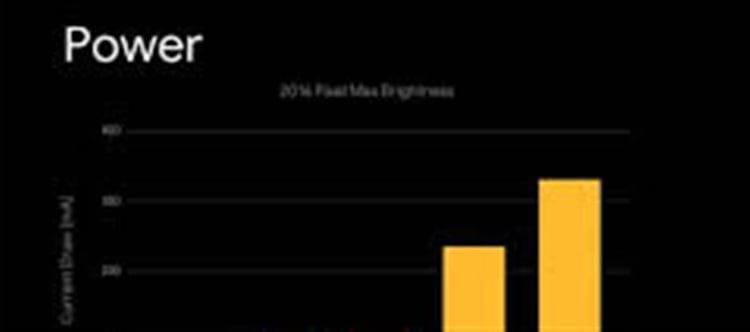
o Dark mode can save battery on OLED or AMOLED displays because black pixels are turned off, consuming less power.
o Savings can be noticeable if you use apps with mostly black backgrounds.
· LCD Screens:
o Dark mode does not save battery on LCD screens because the backlight is always on, regardless of the colors displayed.
2. Eye Comfort May Not Always Improve
· Dark mode is often thought to reduce eye strain, especially at night.
· However, studies suggest that:
o Reading white text on a black background can actually cause more strain for long-form reading.
o Blue light filters or lowering screen brightness may be more effective for eye comfort than just enabling dark mode.
3. App and Content Compatibility
· Not all apps or websites are optimized for dark mode.
· Switching to dark mode can sometimes lead to:
o Poor contrast, making text hard to read
o Distorted images or colors
o Confusing navigation in certain apps
· For consistent usage, you may need to toggle dark mode on and off depending on the app.
When Dark Mode Is Useful
· Using your phone at night or in low-light environments.
· If you have an OLED/AMOLED phone, it can save a small amount of battery.
· For aesthetic preference—many users simply like the look of dark mode.
Conclusion:
Dark mode does not always save battery and may not always reduce eye strain. Its benefits depend on your screen type, usage habits, and app compatibility. While it’s useful in certain situations, it’s not a one-size-fits-all solution.
Disclaimer:
The views and opinions expressed in this article are those of the author and do not necessarily reflect the official policy or position of any agency, organization, employer, or company. All information provided is for general informational purposes only. While every effort has been made to ensure accuracy, we make no representations or warranties of any kind, express or implied, about the completeness, reliability, or suitability of the information contained herein. Readers are advised to verify facts and seek professional advice where necessary. Any reliance placed on such information is strictly at the reader’s own risk.
 click and follow Indiaherald WhatsApp channel